
Sixteen years ago today, Steve Jobs walked onto the stage at San Francisco's Yerba Buena Center for the Arts and changed the trajectory of personal computing forever. The iPad—dismissed by some as merely "a big iPhone"—has evolved from a curiosity into an indispensable computing platform that has sold over 670 million units and fundamentally altered how millions of people work, learn, and create.
The Skepticism Was Real
When Jobs unveiled that first-generation iPad on January 27, 2010, the tech world was divided. Some saw the vision immediately—a device that could bridge the gap between smartphones and laptops with unprecedented elegance. Others weren't convinced. The name itself became a punchline (remember the Maxi Pad jokes?). Critics questioned who would want a tablet computer when laptops and smartphones already existed.
But Jobs was characteristically confident. "iPad is our most advanced technology in a magical and revolutionary device at an unbelievable price," he declared. "iPad creates and defines an entirely new category of devices that will connect users with their apps and content in a much more intimate, intuitive and fun way than ever before."
The $499 starting price stunned the industry. That 9.7-inch LED-backlit display, the custom A4 chip, and that beautifully simple aluminum design proved Jobs understood something fundamental: the best technology doesn't announce itself with complexity—it disappears into usefulness.
The Numbers Tell the Story
The market responded immediately. Apple sold 300,000 iPads on day one. Within 80 days, that number hit 3 million. By the time the iPad 2 arrived in 2011, Apple had moved more than 15 million of the original model—more than all other tablet PCs combined. The iPad accounted for 75% of tablet sales by the end of 2010.
Those early numbers weren't just impressive—they were unprecedented. While the iPhone and iPod took time to find their audiences, the iPad was commercially successful from launch. The product-market fit was immediate and undeniable.
Evolution Through Innovation
What's remarkable about the iPad's 16-year journey isn't just the sales figures—it's how the platform has continuously evolved while maintaining its core identity. From that single 9.7-inch model, we now have an entire ecosystem:
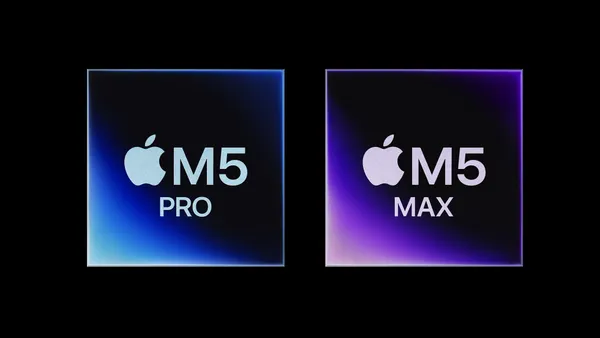
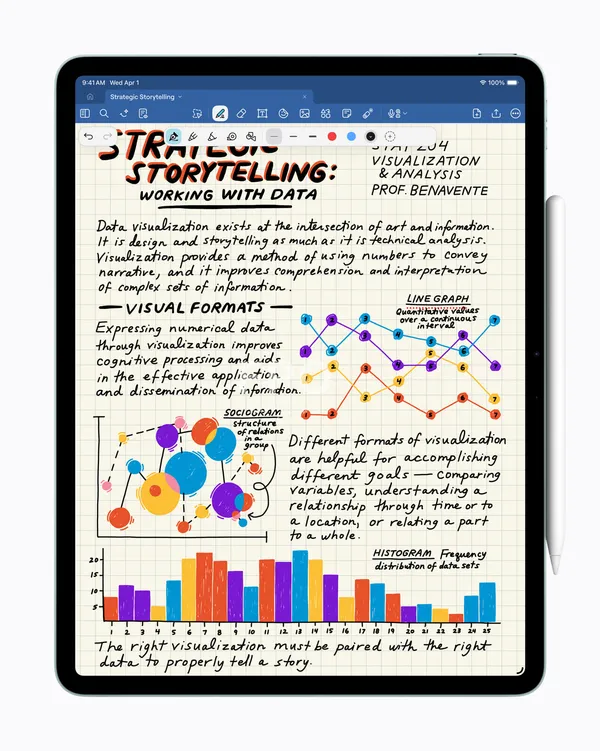
The iPad Pro has become a legitimate laptop replacement for many professionals, powered by desktop-class Apple Silicon ranging from M1 to the latest M5 chip. The Ultra Retina XDR display, Apple Pencil Pro support, and Magic Keyboard have transformed it into a powerhouse for creative professionals, architects, and business users who need serious computing power in a portable form factor.
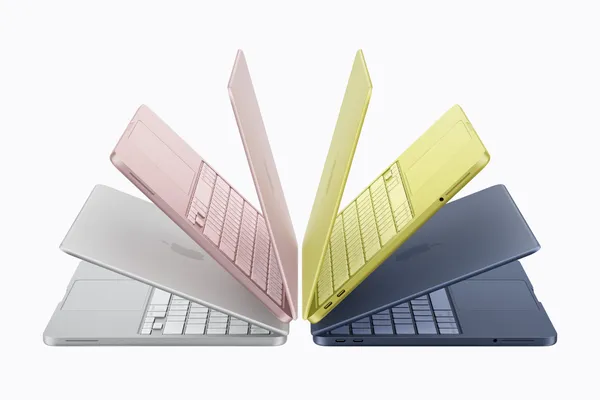
The iPad Air strikes the perfect balance between performance and price, now available in both 11-inch and 13-inch sizes with M-series chips and Apple Intelligence support. It's the Goldilocks iPad for many users.
The iPad mini carved out its own category—beloved by pilots, healthcare workers, and anyone who needs powerful computing in a genuinely pocketable tablet. The latest seventh-generation model with the A17 Pro chip and Apple Pencil Pro support proves that small doesn't mean compromised.
And the standard iPad remains the entry point to the ecosystem, now in its eleventh generation with the A16 chip, providing reliable performance for students, families, and anyone looking for a capable tablet at an accessible price point.
The Unfinished Revolution
Yet for all the iPad's success, it remains a platform defined by tension between its hardware capabilities and software constraints. The iPad Pro with an M5 chip is more powerful than most laptops, but iPadOS still imposes limitations that frustrate power users seeking true desktop-class workflows.
Apple's messaging around the iPad has shifted over the years. The "What's a computer?" ad campaign suggested the iPad could fully replace traditional PCs. More recently, Apple seems content positioning it as a complementary device—exceptional at certain tasks while acknowledging the Mac's continued relevance for others.
This tension isn't necessarily a weakness. The iPad's identity crisis is actually the source of its versatility. It's a consumption device that's great for browsing and media. It's a creation tool for artists, designers, and note-takers. It's a business device for presentations and field work. It's an education platform transforming classrooms worldwide. The iPad is successful precisely because it refuses to be just one thing.
The Professional Paradox
From my perspective managing thousands of devices in an enterprise environment, the iPad represents an interesting paradox. On one hand, it's incredibly manageable through modern MDM platforms, secure by design, and increasingly capable for specialized business applications. Medical professionals use them for patient records. Retail workers use them for point-of-sale systems. Field technicians use them for service documentation.
But that same enterprise often struggles with the iPad's limitations for traditional productivity tasks. File management remains less intuitive than desktop operating systems. External display support, while improved, still feels like an afterthought compared to true desktop experiences. And multi-app workflows that are trivial on a Mac require careful choreography on iPad.
Apple has made strides with Stage Manager, improved external display support, and deeper file system access, but there's still this sense that iPadOS is protecting users from themselves rather than trusting them with full capabilities the hardware obviously possesses.
Looking Forward
As the iPad enters its seventeenth year, the question isn't whether it will continue to evolve—it's how ambitious that evolution will be. Will Apple finally unleash iPadOS to fully exploit the M-series chips powering the Pro models? Will we see true desktop-class applications with unrestricted functionality? Will the line between iPad and Mac continue to blur?
The upcoming 12th-generation standard iPad, expected this spring with an A19 chip and Apple Intelligence support, suggests Apple remains committed to expanding the platform's capabilities across the entire lineup. Making AI features accessible on even the most affordable iPad shows Apple understands the platform's democratizing potential.
A Lasting Legacy
Sixteen years after Jobs introduced it as "magical and revolutionary," the iPad has earned those descriptors through sustained innovation and genuine utility. It hasn't replaced laptops for everyone, but it has created entirely new categories of computing experiences that simply weren't possible before its existence.
The iPad proved that touch-first interfaces could be powerful, that tablets could be serious computing devices, and that sometimes the best way forward isn't incrementally improving what exists but reimagining what's possible.
So here's to the iPad at sixteen—still evolving, still surprising, still indispensable. The device that was dismissed as an oversized iPhone has become the standard against which all tablets are measured. Not bad for a product that spent its first day being compared to feminine hygiene products.
Happy birthday, iPad. May the next sixteen years be just as transformative.

Discussion