

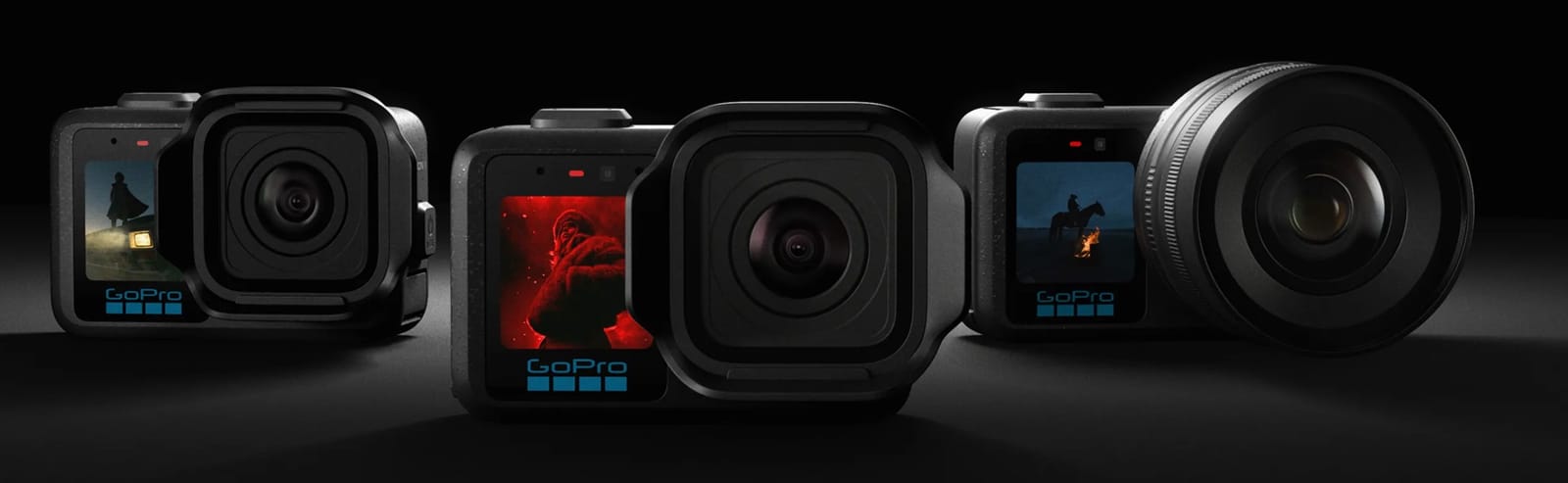
GoPro spent the better part of a decade losing a fight it didn't fully admit it was in. While the company iterated on its HERO line with incremental upgrades, DJI and Insta360 were quietly dismantling the market that GoPro invented. By November 2025, DJI held 45.2% of the action camera market and Insta360 sat at 43.3%. GoPro, the company that put action cameras on the cultural map, had been reduced to single-digit share in the category it created.
The Mission 1 Series, announced last week and priced this morning at NAB Show in Las Vegas, is GoPro's answer to that pressure. It is a significant product, and a meaningful strategic pivot: instead of releasing a HERO 14 to fight DJI and Insta360 on their own terms, GoPro has built a cinema-grade compact camera aimed at filmmakers, vloggers, and serious creators. Whether it is enough to reverse the company's fortunes is a separate question. The hardware itself is the most ambitious thing GoPro has shipped in years.
What GoPro Is Actually Selling
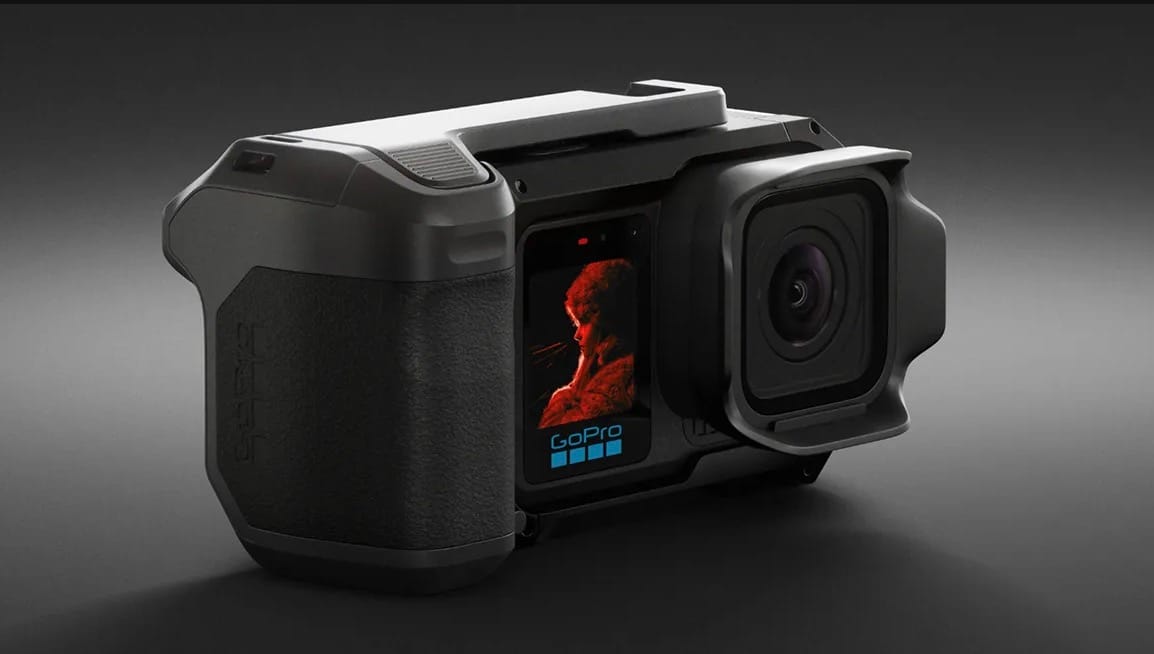
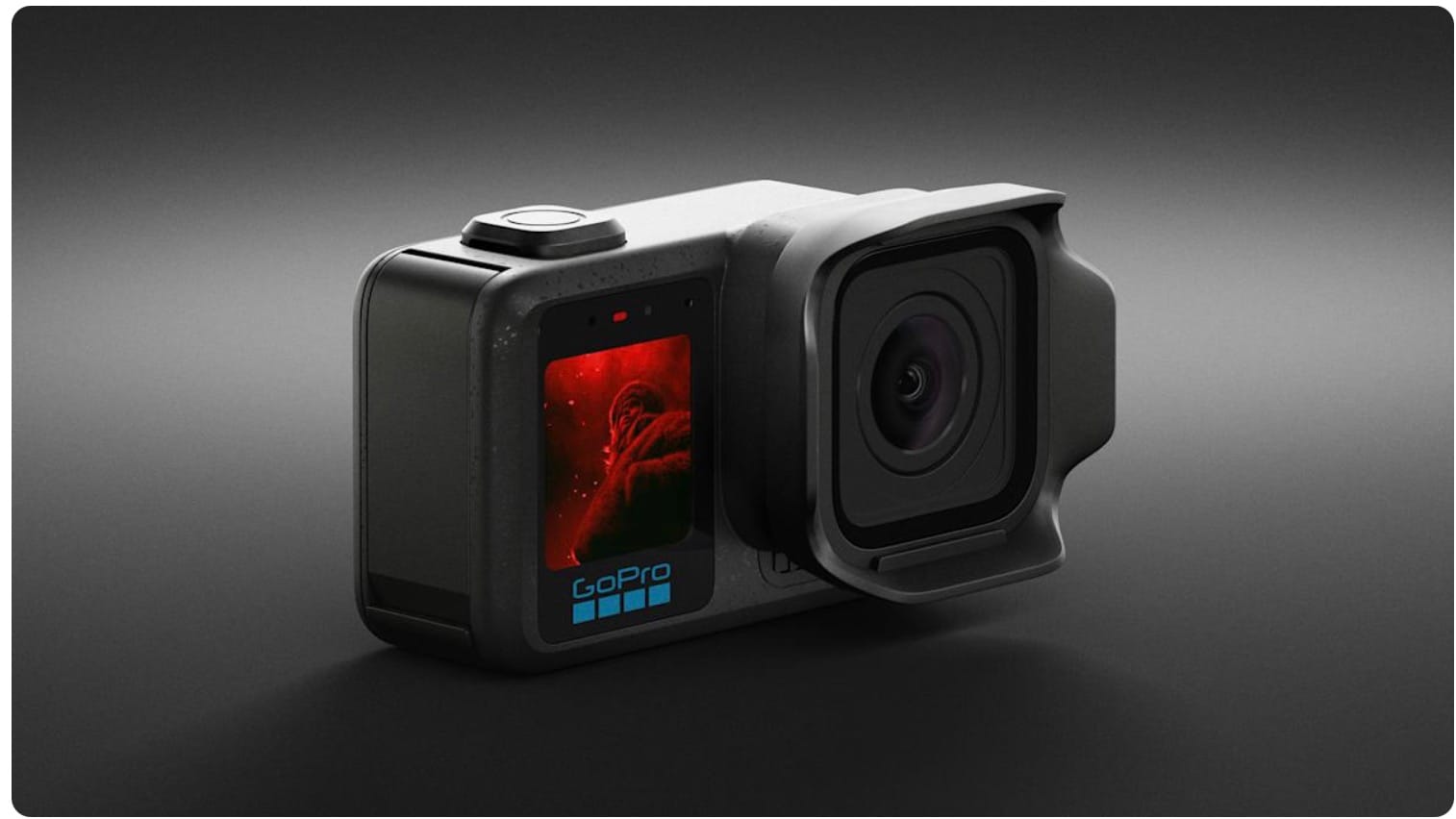
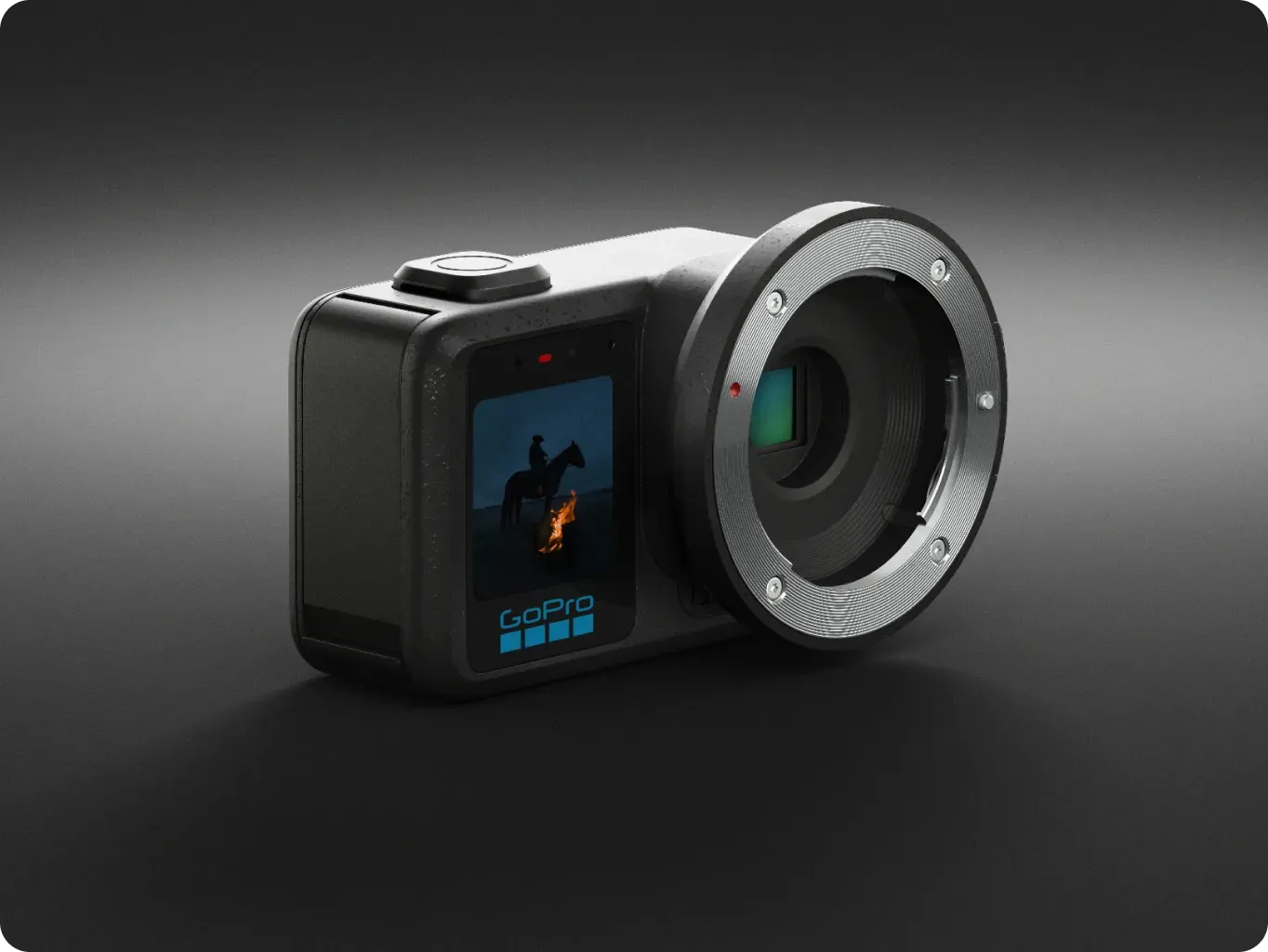
The Mission 1 lineup consists of three cameras built around a new 50-megapixel 1-inch sensor and GoPro's GP3 processor. The base Mission 1 captures 8K at 30fps, 4K at 120fps, and 1080p at 240fps, while the Pro unlocks 8K at 60fps, 4K at 240fps, and 1080p at a stunning 960fps. The Pro ILS adds a Micro Four Thirds interchangeable lens mount at the same price as the fixed-lens Pro, which is itself a statement: GoPro is positioning lens flexibility as a baseline feature of the platform, not a premium tier.
Camera Pricing
| Model | MSRP | Subscriber Price | Availability | Key Differentiator |
|---|---|---|---|---|
| Mission 1 | $599.99 | $499.99 | May 28, 2026 | 8K30 / 4K120 / 1080p240; 50MP RAW |
| Mission 1 Pro | $699.99 | $599.99 | May 28, 2026 | 8K60 / 4K240 / 1080p960; 50MP RAW |
| Mission 1 Pro ILS | $699.99 | $599.99 | Q3 2026 | Same as Pro + MFT interchangeable lens mount |
Bundle Pricing
| Bundle | MSRP | Subscriber Price | Availability | What's Included |
|---|---|---|---|---|
| Mission 1 Pro Grip Edition | $779.99 | $679.99 | May 28, 2026 | Mission 1 Pro + versatile grip/metal cage |
| Mission 1 Pro Creator Edition | $1,099.99 | $999.99 | Q3 2026 | Mission 1 Pro + Media Mod + Volta 2 Grip + Wireless Mic |
| Mission 1 Pro Ultimate Creator Edition | $1,199.99 | $1,099.99 | Q3 2026 | Creator Edition + Fluid Pro AI Gimbal + Light Mod 2 |
Accessory Pricing
| Accessory | Price |
|---|---|
| Wireless Mic System | $159.99 |
| Media Mod for Mission 1 Series | $149.99 |
| Volta 2 Battery Grip | $139.99 |
| Dual Battery Charger for Enduro 2 | $79.99 |
| Point-and-Shoot Grip | $99.99 |
| M-Series ND Filter 4-Pack | $99.99 |
| Enduro 2 Battery | $34.99 |
| Protective Housing (waterproof to 196ft) | $59.99 |
| Light Mod 2 | $59.99 |
| Vertical Mount Adapter | $29.99 |
Subscriber pricing requires an active annual GoPro subscription. Savings are $100 on standalone cameras and up to $150 on bundles.
There is no HERO 14. GoPro has confirmed Mission is the company's new direction, and has pushed back explicitly against suggestions the HERO line is being discontinued. The HERO 13 remains available. What GoPro has not said clearly is whether that means active, ongoing product support or simply selling down existing inventory. The distinction matters, and GoPro hasn't resolved it. What is clear is that the company's forward investment is in Mission, not HERO.
Why the HERO Line Ran Out of Road
The HERO series ran for 13 generations. That longevity obscures how much of it was consolidation rather than invention. After GoPro's disastrous 2016 Karma drone experiment, the company cut R&D substantially, and the ripple effects shaped every subsequent HERO release. The cameras were often technically competent but never genuinely disruptive. And while GoPro refined HLG support and timecode for professionals, DJI and Insta360 were attracting the far larger population of everyday creators who just wanted a small, smart camera that worked without a learning curve.
The thermal issues that plagued past HERO models in sustained recording scenarios were a recurring embarrassment. GoPro claims the GP3 processor resolves this, with most video modes running for maximum runtime without overheating even without active airflow. That single improvement, if it holds up in real-world use, would address one of the most persistent knocks on the brand.
What the Mission 1 represents is GoPro acknowledging that competing with DJI and Insta360 in the traditional action camera segment is a fight that incremental HERO updates cannot win. The response is a lateral move: target the filmmaker, vlogger, and creator segment that wants rugged, compact hardware with cinema-grade image quality at a price point that dedicated cinema cameras cannot touch. No direct competitor currently sells an 8K, weather-sealed, interchangeable-lens camera at $700.
The Market Structure Argument
The strategic logic is easier to follow than the execution risk. Premium camera buyers in the filmmaker segment are less price-sensitive and more loyal to workflow than action sports consumers who shop largely on spec-per-dollar. If GoPro can establish the Mission 1 as the default choice for that audience, it trades volume for margin and creates stickier customers.
The subscriber pricing structure reinforces this. The $100 discount for existing GoPro subscribers on any Mission 1 purchase, and up to $150 off on bundles, makes the subscription directly relevant to a hardware decision. That's a tighter lock-in than the cloud storage and Quik app benefits that previously defined GoPro's subscription value proposition.
The defense and aerospace angle GoPro announced alongside Mission 1, through a partnership with management consulting firm Oliver Wyman, points in the same direction: find durable, less commoditized markets where GoPro's genuine hardware strengths, compact form factor, extreme durability, and a wide ecosystem of mounts and accessories, translate into value that consumer alternatives cannot easily replicate.
None of this changes the Q4 2025 earnings reality. GoPro posted an EPS of -$0.02 against an anticipated $0.09, with revenue of $201.67 million against a forecast of $244.69 million. The company is not operating from a position of financial strength. The Mission 1 launch is not a victory lap. It is a restructuring of the bet.
What Comes Next
The cameras have to deliver in the real world. The GP3 processor is first-generation. The 1-inch sensor is new. GoPro's software quality control has historically been uneven, and this audience, working filmmakers and serious creators, is considerably less forgiving of firmware issues or color science problems than action sports hobbyists. The NAB Show floor through April 22 will give GoPro a chance to put the hardware in front of the people whose professional opinions carry weight in this market.
The MFT interchangeable lens variant is particularly worth watching. Priced identically to the fixed-lens Pro, it is designed to compete in a space occupied by Blackmagic Pocket Cinema cameras and compact mirrorless options from Sony and Fujifilm. GoPro's durability and ecosystem advantages are real there. Whether the image pipeline can stand up to that standard of comparison is an open question until independent tests emerge.
GoPro has also signaled that a next generation of GP3-powered cameras with larger sensors is planned for NAB Show 2027, indicating that Mission is intended as a multi-year platform architecture, not a single product gambit.
Thirteen HERO generations built GoPro into a household name. The Mission 1 is the company's attempt to turn that name into something it hasn't been in years: a justification for paying more. Whether the market rewards that attempt, or whether it treats this as an overpriced product from a brand that already lost the plot, will say as much about the creator camera market as it does about GoPro.