

Microsoft spent two years telling anyone who would listen that putting Call of Duty into Game Pass on day one was the future of gaming. Today, they quietly admitted it wasn't.
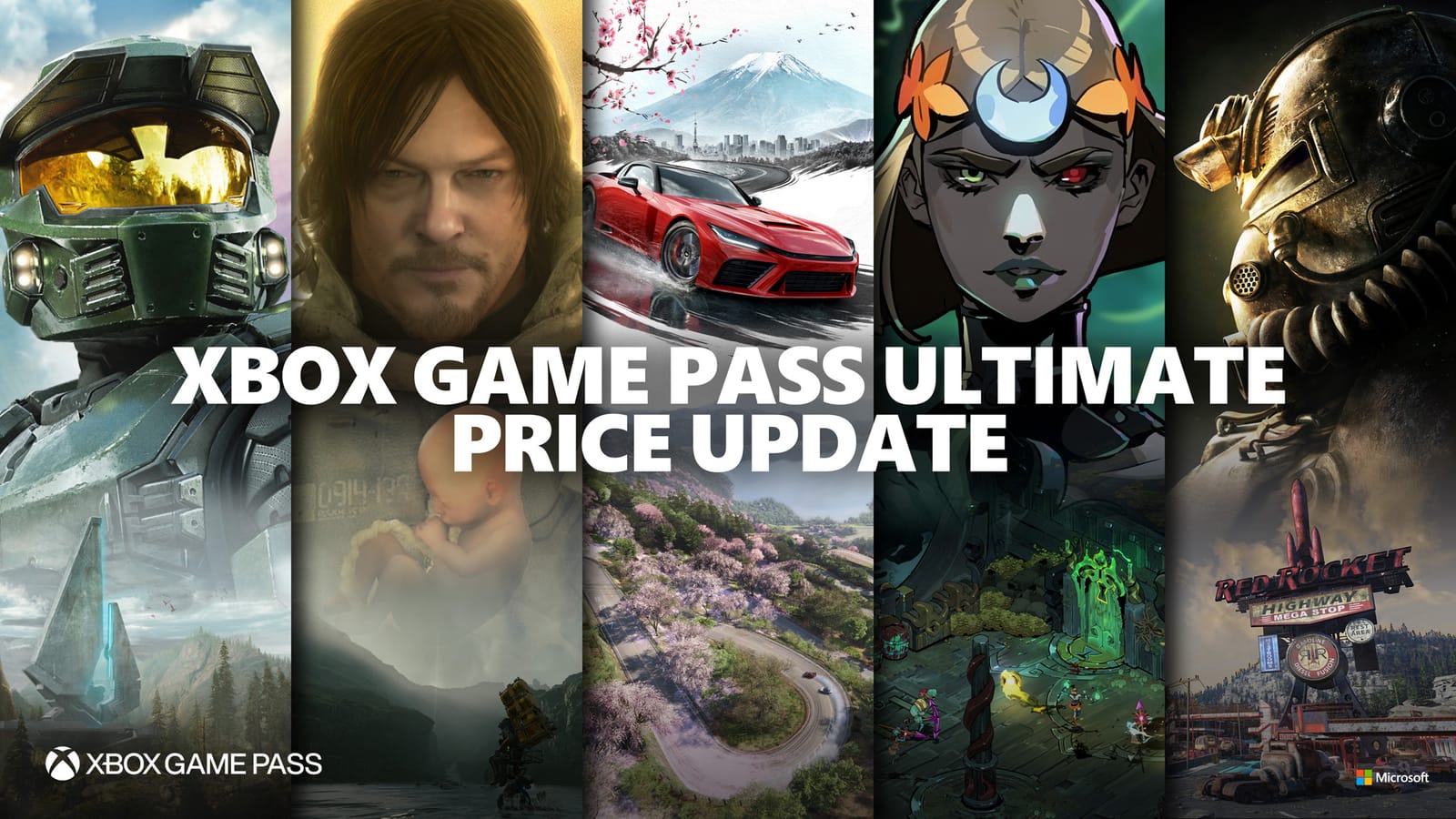
Starting immediately, Game Pass Ultimate drops from $29.99 to $22.99 per month. PC Game Pass falls from $16.49 to $13.99. The price cuts are real, and for subscribers who stuck around through last October's hike, they're probably welcome. But the fine print is where the actual story lives: beginning this year, new Call of Duty titles will no longer land in Game Pass Ultimate at launch. They'll arrive roughly a year later, during the following holiday season. The existing library stays intact, but the marquee annual release that was supposed to be the crown jewel of the service? You'll be buying it separately.
This isn't a minor tweak. It's a structural reversal of the value proposition Microsoft built the entire Activision acquisition narrative around.
The $68.7 Billion Pitch Didn't Pencil Out
When Microsoft closed its acquisition of Activision Blizzard in 2023, the strategic justification was always partially about Game Pass. Call of Duty was the hook. It was the franchise with enough cultural gravity to pull in subscribers who might otherwise never consider a gaming subscription, and to keep existing subscribers from churning every off-season. The pitch worked on paper: tens of millions of Game Pass subscribers, each paying a monthly fee, collectively generating more revenue than the same audience buying the game outright once a year.
The math never quite held up in practice. Call of Duty's playerbase is enormous, but it skews toward exactly the kind of dedicated annual purchaser who gets real value from owning the game outright. Convincing that buyer to pay $30 a month for a subscription was always a steeper sell than the projections suggested. And when Microsoft raised Game Pass Ultimate to $30 last October, one month before Black Ops 7 launched, the backlash was immediate and sustained.
New Xbox CEO Asha Sharma didn't sugarcoat it. In an internal memo that leaked last week, she called Game Pass "too expensive" and said the model needed a "better value equation." That memo was the tell. Today's announcement is the follow-through.
What Microsoft Is Actually Trading
The framing from Xbox today is that this change "responds to a lot of feedback." That's technically true and also incomplete. What Microsoft is trading here is subscriber stickiness for unit revenue.
Under the old model, a Call of Duty fan subscribed to Game Pass Ultimate not just to play Call of Duty but because the math made sense: $30 a month versus $70 for the game. Remove that anchor and the calculus changes. The subscriber who was staying for CoD now has a reason to evaluate whether $22.99 a month is still worth it on its own merits. Some will decide it is. Others will drop to a lower tier or cancel and buy the game separately. Microsoft is betting the price cut will retain more subscribers than the CoD removal costs them.
It might be the right bet. The $30 price point was genuinely unsustainable as an acquisition tool. At that price, Game Pass Ultimate needed to sell itself as a complete replacement for buying games, and the catalog of day-one releases was never deep enough to fully deliver on that promise. Dropping to $22.99 puts it in a range where casual and medium-frequency players can justify it on catalog value alone.
But Microsoft also just confirmed something the market suspected: Call of Duty day-one inclusion was subsidizing Game Pass's value perception more than its actual subscriber count. The moment they were willing to remove it in exchange for a $7 monthly price reduction, the internal numbers had to be showing that the incremental subscribers CoD was driving weren't worth the margin hit.
The Honest Version of This Announcement
Sharma's public statement was careful. "Game Pass Ultimate has become too expensive for too many players," she wrote. That's a real admission, but it obscures the sharper truth: the day-one CoD model created a structural tension between what was best for Call of Duty as a product and what was best for Game Pass as a business.
A $70 annual game with millions of devoted, competitive players is not ideally suited to a subscription model. Players who care enough to grind ranked modes and buy cosmetics are also the players most likely to want ownership, guaranteed access, and no subscription risk. Tying that game to a $30/month service was trying to serve two audiences at once and not fully serving either.
The Call of Duty team's statement today acknowledged as much in diplomatic language: "Our focus remains unchanged: to deliver the best possible Call of Duty game experience for players across every platform." Read between those lines. The game's long-term health matters more to the Activision side of Microsoft Gaming than whether it drives Game Pass subscriptions in month one.
What Comes Next
The holiday-plus-one-year window for CoD's Game Pass arrival is its own signal. It mirrors roughly how long it takes for a Call of Duty title to stop selling at full price. By the time Black Ops 7 lands in Game Pass this coming holiday season, most of its addressable buyers will have already bought it, and the subscription addition becomes a catalog draw rather than a purchase substitute. Microsoft gets to have it both ways, just not simultaneously.
The more interesting question is whether this logic eventually extends beyond Call of Duty. If the day-one model was financially strained for the franchise with the most subscriber acquisition potential, it raises questions about whether other high-cost, high-potential first-party releases face the same calculus down the road. Microsoft hasn't signaled any such change, but the internal framework that led to this decision is now established.
Game Pass's future, per Sharma, is a "more flexible system." What that means in practice is still being worked out. But today's announcement is the clearest signal yet that the original vision of Game Pass as an all-you-can-eat service where every Microsoft first-party game lands on day one, at a price that undercuts buying games outright, was not a sustainable business model. It was a market-share strategy. And it ran long enough to be tested.
The verdict, apparently, was mixed.