

After over a year of negotiations and years of mounting losses, JPMorgan Chase has officially reached an agreement to take over the Apple Card from Goldman Sachs. The transition, announced January 7, 2026, marks the conclusion of one of the most troubled partnerships in modern financial services—and signals a new chapter for Apple's flagship credit product.
The Deal: What We Know
JPMorgan Chase will acquire approximately $20 billion in outstanding Apple Card balances at a discount exceeding $1 billion, according to sources familiar with the transaction. The deal is expected to take approximately 24 months to close, subject to regulatory approvals.
The discount is particularly notable. Such markdowns are rare in co-branded credit card transfers and reflect the portfolio's higher-than-average delinquency rates and significant exposure to subprime borrowers—a demographic JPMorgan typically avoids.
JPMorgan will book a substantial $2.2 billion provision for credit losses when it reports fourth-quarter 2025 earnings, preparing for potential defaults in a portfolio that proved far riskier than Goldman Sachs anticipated. For Goldman, the transaction provides some relief: the bank expects a 46 cents per share earnings boost in Q4 2025 from releasing $2.48 billion in loan-loss reserves, though this will be partially offset by losses from marking down the loan portfolio and contract termination costs.
What This Means for Apple Card Users
In the near term, current Apple Card holders can breathe easy. During the 24-month transition period, cardholders can continue using their cards exactly as they do today. That means:
- Up to 3% Daily Cash rewards on Apple purchases remain intact
- No annual fees, late fees, or foreign transaction fees continue
- Apple Card Family features persist unchanged
- Monthly Installments for Apple products stay available
- Mastercard remains the payment network
Apple has emphasized that customers need take no action during the transition. When the changeover occurs, credit reports will simply reflect JPMorgan Chase as the new issuing bank rather than Goldman Sachs.
JPMorgan will also launch its own Apple Savings Account, offering existing Goldman Sachs Apple Savings customers the choice to migrate or remain with their current accounts.
The Longer-Term Picture: Potential Changes Ahead
While Apple and JPMorgan have committed to maintaining current benefits during the transition, several changes could materialize once Chase fully assumes control.
JPMorgan operates with considerably more conservative underwriting standards than Goldman Sachs employed. Industry observers expect Chase to tighten approval criteria, potentially implementing their notorious "5/24 rule"—automatically declining applicants who have opened more than five new credit lines in the past 24 months. Prospective cardholders with subprime credit profiles who might have qualified under Goldman's more lenient standards could find themselves denied by Chase.
The question of what happens to the savings account interest rate remains open. Goldman Sachs offered a competitive high-yield savings account rate as part of its consumer banking push. JPMorgan, with no particular need to attract deposits through premium rates, may not match those yields—though they could maintain competitive rates as a strategic concession to Apple.
Current cardholders with marginal credit should prepare for potential credit limit reductions or account closures as JPMorgan assesses the portfolio's risk profile. This is standard operating procedure when banks acquire troubled debt portfolios.
The Goldman Sachs Debacle: How It All Went Wrong
The Apple Card partnership, once hailed as "game-changing" when announced in March 2019, became a costly lesson in the perils of investment banks attempting consumer lending without the necessary infrastructure or expertise.
Goldman Sachs entered the partnership as the cornerstone of its broader consumer banking push through Marcus. For Apple, the card represented another services revenue stream beyond hardware sales. The partnership seemed mutually beneficial: Apple gained a financing mechanism to drive device sales, while Goldman obtained a high-profile entry into consumer finance.
But the relationship was troubled from the start. According to industry analysis, Goldman made several critical strategic errors:
Aggressive Bidding: As an eager new entrant desperate to win Apple's business, Goldman reportedly conceded too much in partnership economics, royalties paid to Apple, and control over underwriting standards. The bank agreed to Apple's demands for no late fees and prohibitions on selling customer data—economically challenging constraints for a consumer lending business.
Underwriting Problems: Apple wanted Goldman to approve as many iPhone users as possible, pushing the bank toward subprime borrowers it lacked experience managing. The portfolio's delinquency rates exceeded Goldman's expectations and industry norms, driving losses that regulators required the bank to reserve against.
Operational Failures: Goldman launched the card without proper consumer banking infrastructure. The bank's system for handling billing disputes was so flawed that the Consumer Financial Protection Bureau fined Apple and Goldman a combined $89 million in October 2024. The CFPB found Goldman failed to investigate tens of thousands of disputes and misled consumers about refund applications, causing unexpected interest charges.
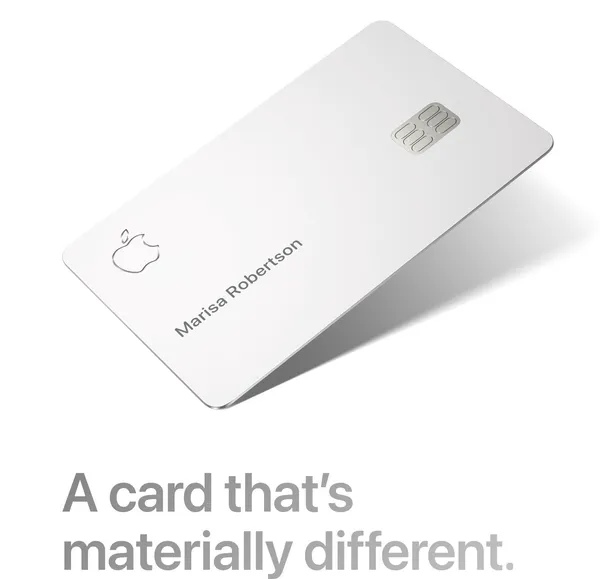
Cultural Clash: The partnership created significant internal friction at Goldman Sachs. Traditional investment bankers accustomed to high-status client relationships bristled at playing a junior role to Apple. When Apple unveiled the card on stage in 2019 with the line "Designed by Apple, not a bank," Goldman executives watched from the audience—a public slight that epitomized the power imbalance.
The financial toll was devastating. Goldman lost over $1 billion on the Apple Card partnership between 2020 and 2022 alone. By 2024, total pretax losses from Goldman's consumer banking ventures exceeded $6 billion. The bank's platform solutions unit, which housed the Apple partnership, posted an $859 million net loss in 2024.
By early 2023, Goldman began exploring an exit, though CEO David Solomon initially extended the partnership through 2029 in October 2022—a decision the bank quickly came to regret. Multiple potential acquirers including American Express, Synchrony Financial, and Barclays explored taking over the portfolio before ultimately walking away, leaving JPMorgan as the last bank standing.
Why JPMorgan Succeeded Where Others Failed
JPMorgan's willingness to acquire the troubled portfolio speaks to both its market position and negotiating leverage.
As the largest credit card issuer in the United States, JPMorgan can absorb the Apple Card portfolio without significant strain. The bank adds approximately 10 million new credit card accounts annually and has the operational infrastructure to manage the transition efficiently. The Apple Card's roughly $21 billion in receivables and estimated $100 billion in annual payment volume represent meaningful additions but won't fundamentally reshape Chase's business.
Critically, JPMorgan negotiated from a position of strength. After other potential acquirers departed, Goldman had limited options and a ticking clock on its consumer banking exit strategy. Chase extracted significant concessions, including the $1 billion discount on the portfolio purchase price—compensation for taking on higher credit risk than the bank would typically accept.
The partnership also provides strategic value beyond immediate financials. Adding Apple to Chase's portfolio of co-branded cards (which already includes United, Hyatt, Southwest, Amazon, and Marriott) enhances the bank's relationship with one of the world's most valuable brands. For Apple, JPMorgan represents an upgrade in stability and operational competence after years of regulatory problems with Goldman.
What This Reveals About Apple's Services Strategy
The Apple Card transition offers insights into both the strengths and limitations of Apple's push into financial services.
On one hand, the card achieved genuine product-market fit. Despite Goldman's operational struggles, the Apple Card attracted millions of users drawn to its seamless iOS integration, privacy focus, no-fee structure, and elegant design. Apple's ability to maintain consumer enthusiasm throughout Goldman's troubles demonstrates the strength of the Apple brand and the card's user experience advantages.
On the other hand, the partnership exposed Apple's dependence on financial services partners who may have different priorities and risk tolerances. Apple wanted maximum accessibility—approving as many customers as possible to drive iPhone sales and services revenue. This conflicted with sound credit risk management, contributing to the portfolio's problems.
The transition to JPMorgan signals a more mature approach. Chase brings deep consumer lending expertise, regulatory compliance capabilities, and financial stability that Goldman lacked. JPMorgan's more conservative underwriting may reduce approval rates, but it should prevent the credit quality problems that plagued the Goldman partnership.
Critically, Apple appears to have learned from the Goldman experience. The company will likely grant JPMorgan more operational control over underwriting and risk management rather than pushing for maximum approvals at the expense of portfolio quality.
The Broader Implications for Banking and Tech Partnerships
Goldman Sachs' retreat from consumer banking represents one of the most expensive strategic pivots in recent financial services history. The bank's entire consumer banking experiment—from Marcus to the Apple and GM credit cards—ultimately cost over $6 billion in pretax losses before the institution abandoned the business entirely.
The failure offers lessons for future bank-tech partnerships. Goldman's investment banking culture and risk management frameworks proved ill-suited to consumer lending's different dynamics. Success in one banking domain doesn't automatically translate to others, particularly when partnerships create structural disadvantages like the ones Apple negotiated.
For Apple, the transition demonstrates that tech companies' power in financial services has limits. Despite its brand strength and massive user base, Apple couldn't override fundamental credit economics or compensate for a partner's operational deficiencies through superior design alone.
The deal also highlights regulatory vigilance in consumer financial services. The CFPB's $89 million fine and ongoing scrutiny of the Goldman-Apple partnership sent a clear message that tech companies and their banking partners face the same consumer protection requirements as traditional lenders, regardless of innovative interfaces or prestigious brands.
Looking Ahead
The 24-month transition period provides ample time for JPMorgan to assess the portfolio, make underwriting adjustments, and integrate Apple Card into its existing credit card infrastructure. Current cardholders should experience minimal disruption in the near term, though they should prepare for potentially stricter policies once the transition completes.
For Apple, the JPMorgan partnership offers stability and operational excellence after years of regulatory headaches with Goldman. The company can continue offering Apple Card and Apple Savings as services that drive ecosystem value and customer loyalty without the distraction of constant partner problems.
For Goldman Sachs, the Apple Card's departure marks the final chapter of an expensive and humbling foray into consumer banking. The bank can now refocus on its core investment banking and wealth management businesses where it maintains genuine competitive advantages.
The Apple Card's migration from Goldman Sachs to JPMorgan Chase represents more than a routine partner switch. It's a case study in the challenges of tech-banking partnerships, the limits of brand power in overriding credit fundamentals, and the enduring importance of operational competence in consumer financial services—no matter how elegant the user interface.
Have thoughts on the Apple Card transition? Share your experiences in the comments below. And for more analysis on Apple's services strategy and the intersection of technology and finance, subscribe to The Cupertino Chronicles newsletter.





Discussion