
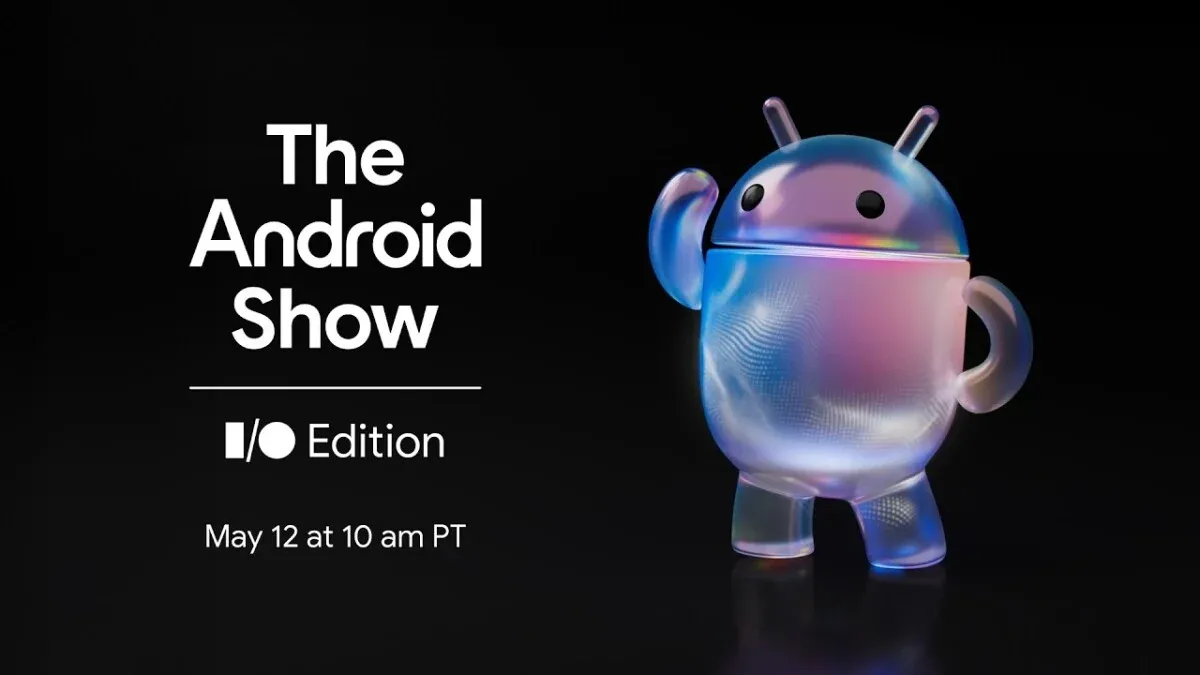
For most of the last decade, Google's Android story was essentially the same story told at different volumes. New Pixel. Better camera. More Gemini. The annual rhythm of Android releases has been so predictable that the company invented a separate pre-I/O event just to buy itself more time during the actual developer conference. The May 12 Android Show: I/O Edition was supposed to be that overflow valve. Instead, it turned into something Google hasn't put together in a while: a coherent platform story.
The headliner was Googlebook, a new category of laptop that arrives in fall 2026. But the more you look at everything Google announced, the more Googlebook feels like an outcome rather than an announcement. The real story is that Gemini Intelligence, the new AI layer threading through Android 17, Android Auto, Wear OS, and now laptops, is the connective tissue Google has been missing. Apple has had Handoff, Continuity, and Universal Control for years. Google has had good intentions. May 12 was the first time those intentions had a product behind them.
Gemini Intelligence: The Layer That Changes Everything
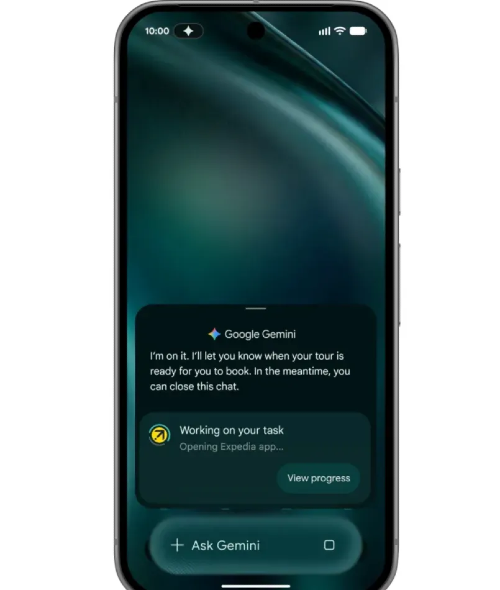
The most structurally significant announcement wasn't a device or an OS version. It was Gemini Intelligence, Google's umbrella term for a suite of deeply integrated AI features spanning every screen in the Android ecosystem.
The pitch is agentic: Gemini doesn't just answer questions, it takes action. Google's demos showed the system creating a shopping cart directly from a grocery list in your notes app, automatically locking in a spot in a spin class, and handling form auto-fill by pulling relevant information from connected apps. You retain approval over any transaction or sensitive action, but the system is designed to work proactively rather than reactively. That's a meaningful shift in how Android-class AI has operated until now.
For Googlebooks specifically, Google's DeepMind team built something called Magic Pointer, a gesture-based cursor feature that surfaces contextual Gemini suggestions whenever you wiggle your mouse over content. Hover over a date in an email and it may suggest creating a calendar event. The obvious comparison is to Clippy, and it's not entirely unfair. Whether this kind of ambient AI proves genuinely useful or chronically annoying will depend heavily on how well Google has tuned its sense of when to stay quiet. The Engadget framing of "potentially 1,000 times more annoying" is a risk Google will have to demonstrate it's addressed before these laptops ship.
The other major Gemini Intelligence feature is Create My Widget, a natural language tool for generating custom home screen widgets. Ask for a weekly recipe suggestion widget, or a consolidated view of your upcoming travel from Gmail and Calendar, and Gemini builds it. Crucially, widgets created this way aren't limited to your phone. They can be pushed to Wear OS and, on Googlebooks, to the laptop desktop as well. It's a small detail that signals exactly what Gemini Intelligence is supposed to be: a layer that doesn't care which screen you're looking at.
Gemini Intelligence will arrive first on the latest Samsung Galaxy and Pixel phones, rolling out starting this summer. The Googlebook launch later this fall will be its most significant hardware test.
Android 17: Practical Upgrades Over Headline Features
Android 17 arrives later this year, and Google was transparent that this isn't a top-to-bottom redesign. What's here is a focused collection of updates that address real friction points.
The most visually obvious change is Noto 3D, a new collection of 3D emoji that will land on Pixel devices first. It's the kind of thing that photographs well in a keynote but represents a much longer-overdue refresh to how Android handles expression and personalization at the system level.
More substantive is Rambler, a Gemini Intelligence-powered speech-to-text system that strips filler words and restructures what you say into a coherent message. Google says it handles language-switching mid-sentence, which is a genuine usability improvement for multilingual users rather than a gimmick. Dictation on Android has lagged behind what competing voice input tools can do, and Rambler looks like a genuine attempt to close that gap.
The security improvements are the least flashy but arguably the most broadly useful. Google is expanding its default-on theft protections globally, including Remote Lock and Theft Detection Lock, to all new Android 17 devices and any device upgrading to the new OS. The company is also reducing the number of PIN or password guesses a would-be thief gets before the device locks down, and adding longer wait times between failed attempts. Law enforcement will be able to access a device's IMEI directly from the lock screen on Android 12 and above, which creates a more direct path for stolen device recovery. These protections are also being extended to devices running Android 10 and up in Argentina, Chile, Colombia, Mexico, and the UK.
On the privacy side, Android 17 introduces more granular location controls, letting users limit an app's access to precise location only for specific tasks while the app is open. There's also a new permission model for contact access: apps will be able to request access to a single specific contact rather than demanding your entire address book. That second change has been a frustrating gap in Android's privacy architecture for years, and fixing it is the kind of thing that doesn't generate headlines but matters to anyone who's ever been asked to hand over their full contact list just to send someone a message through a third-party app.
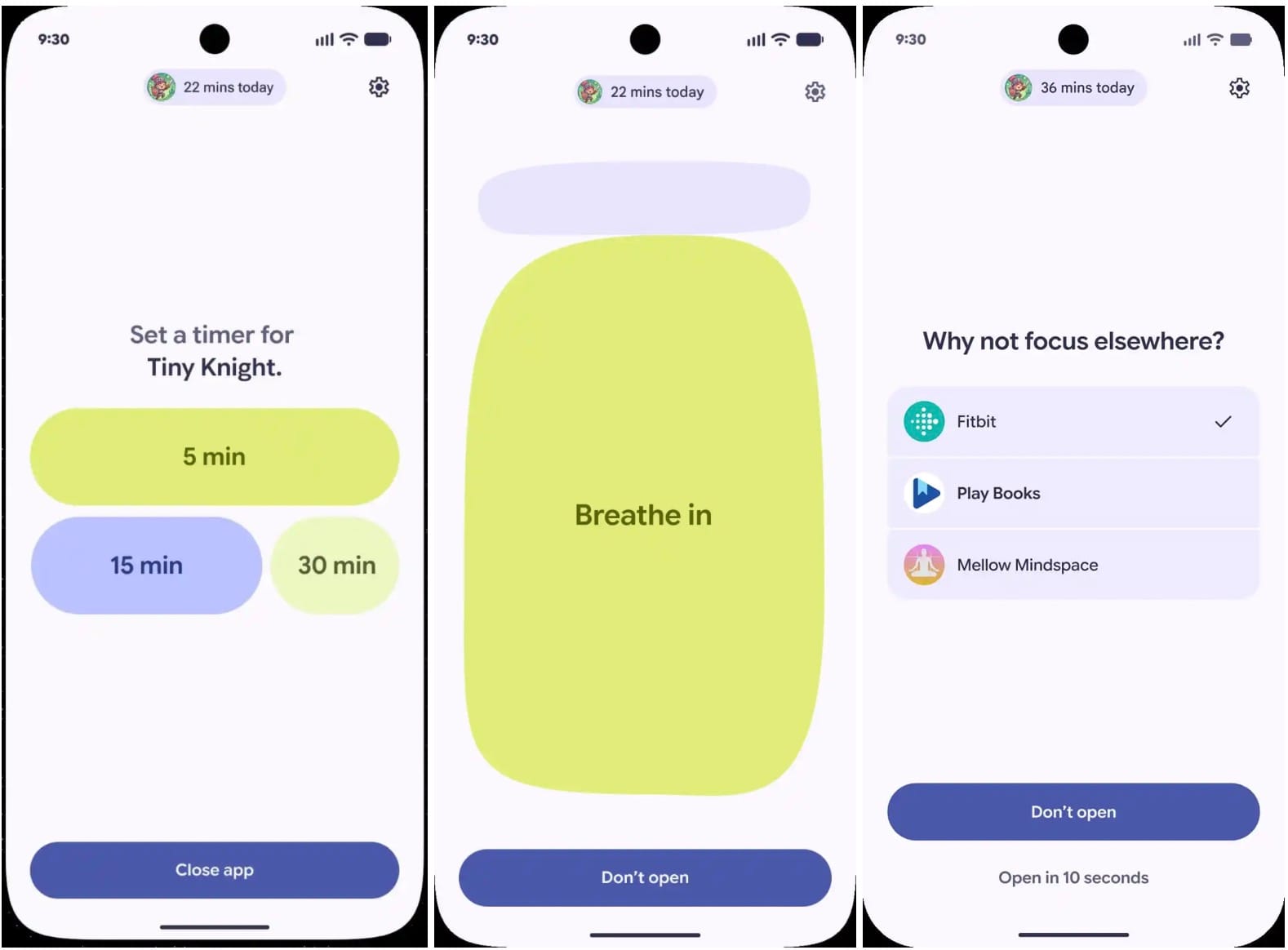
A screen time tool called Pause Point is coming as well, letting users set soft limits on app usage. Google is also bringing green screen recording natively into Android 17, letting creators overlay a video cutout of themselves onto any screen recording without third-party software. And following Apple's lead on audio cleanup in video, Android 17 will let you optimize your voice in recordings after the fact.
Googlebook: Android Finally Gets a Laptop
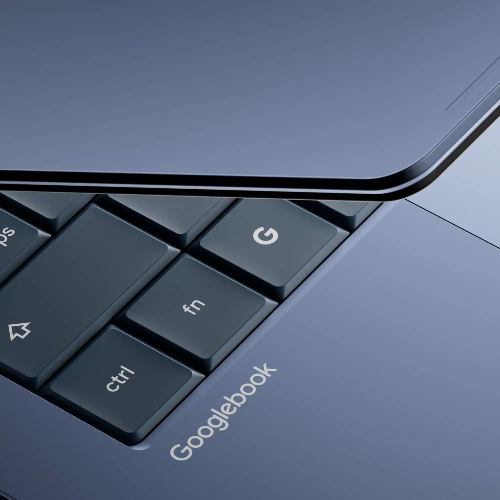
Next month marks 15 years since the first Chromebook shipped. Google acknowledged that milestone and used it as a launching pad for something new. Googlebooks are a new category of laptop designed around Gemini Intelligence, built on what was previously codenamed "Aluminium OS": a unified platform merging Android and ChromeOS into a single foundation.
The headline capability is phone integration. Googlebook owners will be able to browse their phone's file system directly from the laptop, and run Android apps natively without emulation. Google's example was hopping into a Duolingo lesson from the laptop without picking up the phone. It's a direct answer to Apple's iPhone-Mac continuity story, and it's the most credible version of that answer Google has produced.
The OEM lineup confirms this is a real product push, not a concept. Acer, ASUS, Dell, HP, and Lenovo are all building the first Googlebook devices, with hardware arriving this fall. Google hasn't announced pricing or specific configurations yet, and said it will share more in the coming months.
The Copilot+ parallel is inevitable and worth naming. Microsoft launched its AI-focused laptop initiative in 2024 with considerable fanfare, and the market largely shrugged. Consumer uptake was slow enough that Microsoft has begun rolling back AI features from Windows apps after users pushed back against Gemini-in-everything fatigue. Google is betting that its integration story, grounded in a working ecosystem of phones and devices most people already own, will land differently. Whether the Copilot+ lesson changes how Google paces Googlebook's AI features remains to be seen. The Magic Pointer demo in particular seems like the kind of feature that needs to prove it earns its place before it goes default-on.
Android Auto: The Dashboard Gets Rebuilt
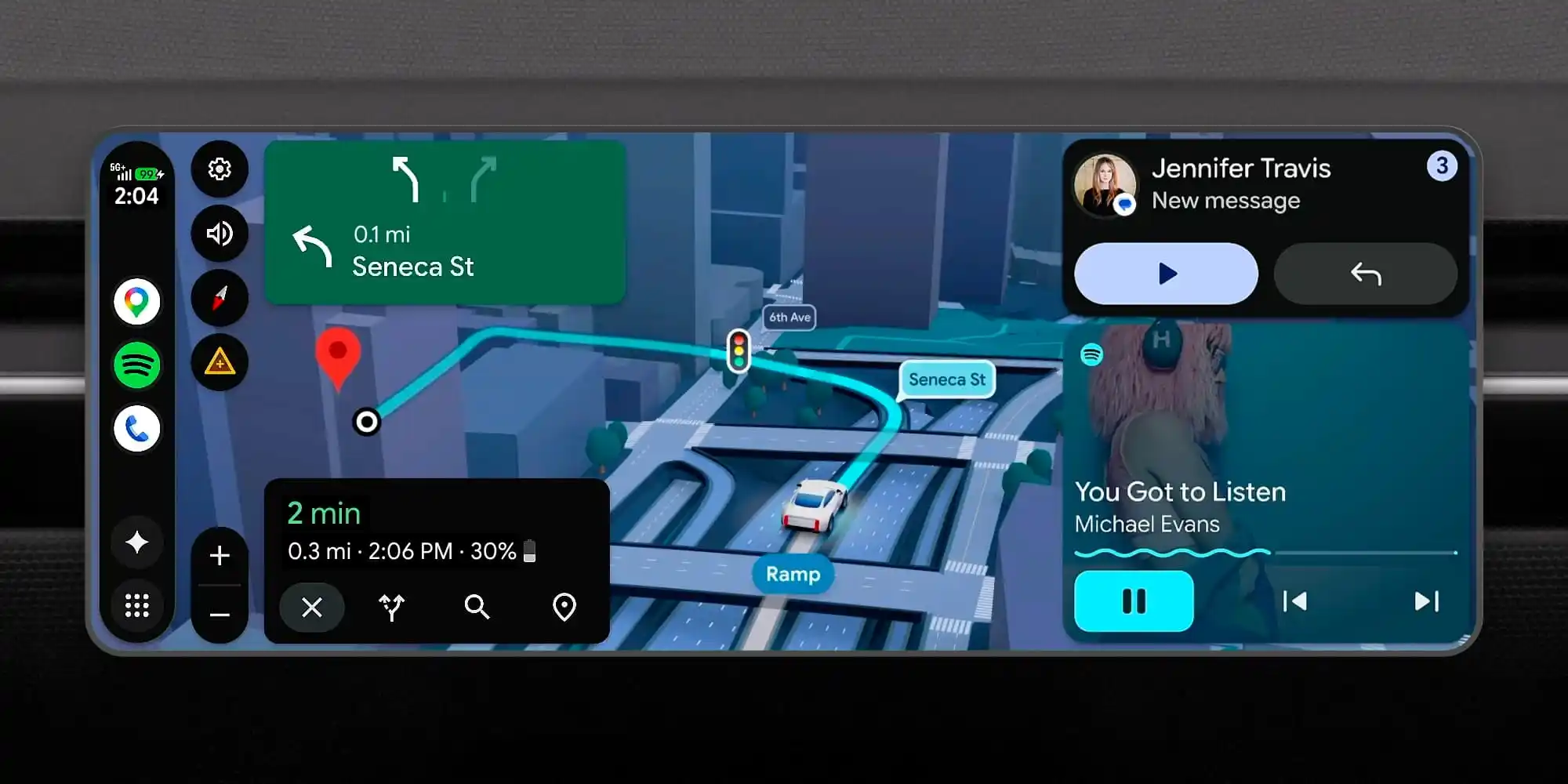
The Android Auto announcements were some of the show's most concrete, covering more than 250 million compatible cars currently on the road.
The most visible change is a full interface redesign built on Material 3 Expressive, the same design language coming to Android phones. The new UI brings custom wallpapers, improved typography, smoother animations, and an edge-to-edge Google Maps experience. Critically, the redesign is built to adapt to every car screen shape: ultrawide panels, circular displays, the unusual parallelogram screen in newer BMWs. Widgets are arriving too, letting drivers pin contacts, weather, and home shortcuts like a garage door opener to a persistent layer over the navigation view.
The navigation upgrade is called Immersive Navigation, and Google is calling it the biggest Maps update in more than a decade. The map goes fully 3D, surfacing buildings, overpasses, terrain, lane markings, traffic lights, and stop signs in a way that the current flat-map view can't. For drivers in cars with Google built-in, live lane guidance takes this further: the system uses the vehicle's front-facing camera to analyze the actual road in real time and offer lane change guidance as it happens, processed locally in the car.
For entertainment, YouTube comes to Android Auto as full HD video at 60fps while parked or charging. When the car starts moving, supported apps transition smoothly to audio-only playback. The initial rollout covers eleven car brands: BMW, Ford, Genesis, Hyundai, Kia, Mahindra, Mercedes-Benz, Renault, Škoda, Tata, and Volvo. Dolby Atmos support is coming to supported apps and cars as well, with BMW, Genesis, Mahindra, Mercedes-Benz, Renault, Škoda, Tata, and Volvo confirmed first.
Gemini Intelligence arrives in Android Auto "later this year," and Magic Cue, a contextual AI feature that surfaces relevant information from your messages without requiring you to read them, will help handle in-car communications with less eyes-off-road time.
Android XR: The Setup for Google I/O
The Android Show wasn't where Google went deep on Android XR, but it confirmed the glasses story is real and coming. Two categories of AI glasses are in development with partners: screen-free models with built-in speakers, microphones, and cameras for ambient Gemini assistance, and display AI glasses with an in-lens overlay for information like navigation prompts and translation captions. Warby Parker and Gentle Monster are confirmed eyewear partners. Samsung's Galaxy Glasses project, carrying the codename "Jinju," is also expected to run Android XR.
XREAL's Project Aura, the most ambitious device in the category, offers a 70-degree field-of-view optical see-through experience that layers digital content onto the physical world, powered by Qualcomm silicon. Google confirmed more Android XR details are coming at Google I/O on May 19.
What This Show Actually Told Us
Google's pre-I/O event has historically functioned as a pressure release: dump the Android feature list here so the main keynote has room for AI and developer tools. The May 12 show didn't feel like that. It felt like a company finally able to point to a coherent multi-device story and back it with real products.
The Googlebook is the clearest evidence. Android and ChromeOS have been quietly converging for years, and the "Aluminium OS" unification project has been known to insiders even longer. Naming it, giving it a consumer product identity, and backing it with five of the industry's largest PC manufacturers in a single announcement isn't a developer-focused tease. It's a category launch. And with Gemini Intelligence as the thread connecting phone, watch, laptop, and car, Google can now describe an ecosystem with a straight face.
Whether it executes is a different question. The Copilot+ cautionary tale is recent enough to be instructive, and Google's history of launching ambitious cross-device features that quietly stall in the gap between announcement and adoption is long. But the architecture is coherent in a way it hasn't been before, and that matters. Google I/O on May 19 will tell us how deep the AI story actually goes. The Android Show told us the platform is ready to hold it.