




How American is an iPhone Duo? Apple's newest answer, published this morning, is "nearly 100 components." The Duo's titanium shell now starts as recycled metal melted, forged and rolled in Houston, Pennsylvania. The films inside the iPhone 18 Pro's variable aperture camera come from Delaware. By the end of this year, every piece of cover glass on every iPhone and Apple Watch sold anywhere in the world will come out of one Corning plant in Harrodsburg, Kentucky.
Those are real numbers, and they are bigger than the ones Apple was quoting in the spring. They also describe a particular kind of American iPhone: one built from the raw materials up, then shipped overseas to become a phone. Apple's latest American Manufacturing Program update is the clearest picture yet of where that strategy is working and where it still stops.
What Apple announced
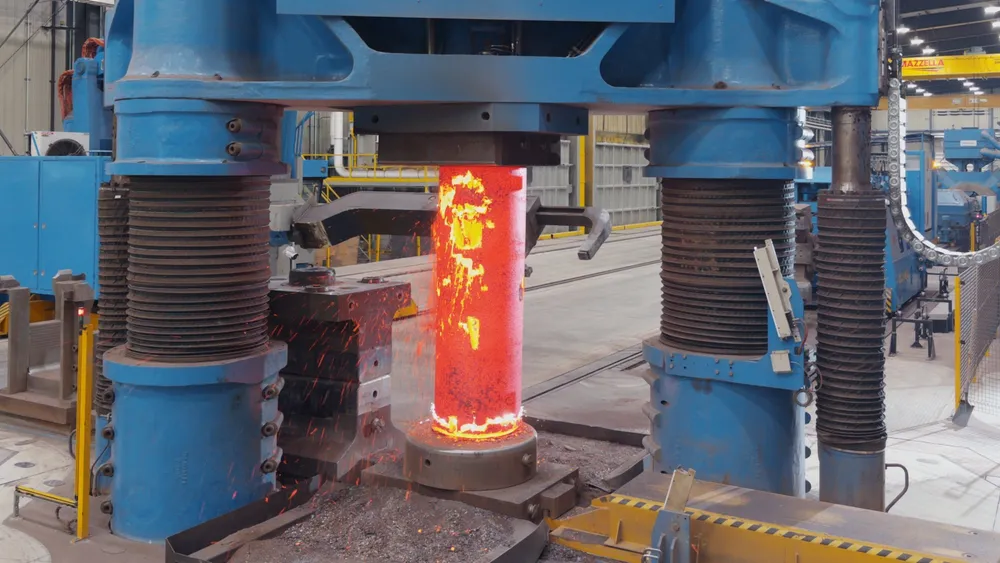
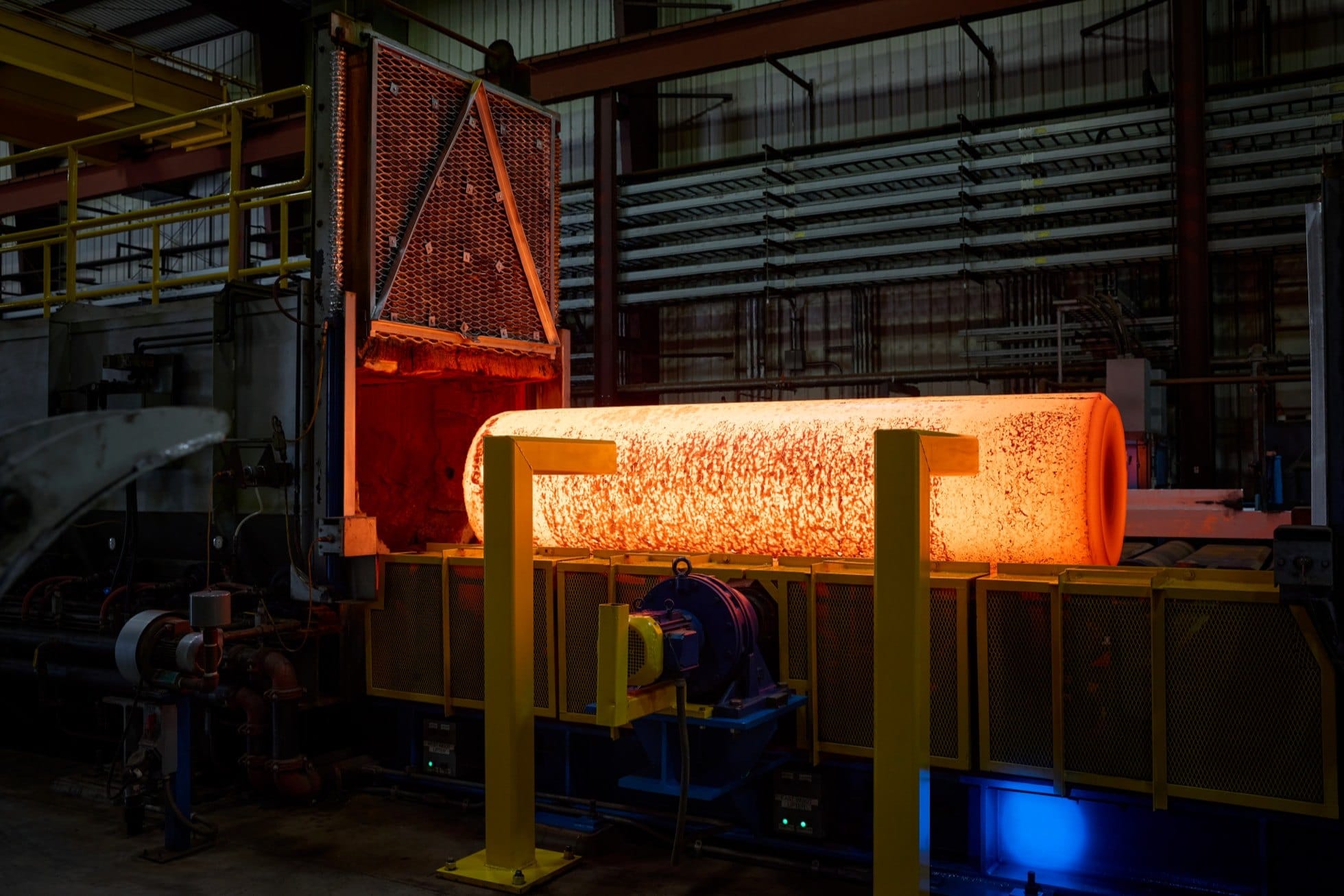
The headline partner is the Perryman Company, a family owned titanium producer in Pennsylvania. Apple says it will commit up to $100 million over three years to Perryman, which makes the grade 5 titanium for the iPhone Duo's enclosure from at least 80 percent recycled content. Qnity Electronics, which joined the program in March, is expanding its work to produce the advanced films for the 18 Pro's variable aperture system, the hardware behind the 48MP Fusion Main camera's ability to shift between apertures.
The rest of the release is a roll call of partners we have written about before. Broadcom is putting $1.5 billion into its Fort Collins, Colorado plant to build RF components under an agreement covering more than 15 billion American made chips. Coherent builds the lasers for Face ID and the Dynamic Island in Sherman, Texas. TSMC's Arizona fab produced more than 100 million chips for Apple this year. Amkor's chip packaging plant in Peoria, Arizona is set to hire more than 3,500 people. And the Houston facility that builds Apple's AI servers will start building Mac mini before the end of 2026.
All of it sits under the $600 billion, four year commitment Apple made in August 2025, and the release closes with a line from Apple's chief operating officer, Sabih Khan: "American ingenuity is vital to all our products."
The progress is real, and it is upstream
When we looked at Apple's "Made in America" chip push in February, TSMC's Phoenix fab was producing tens of millions of chips for Apple and the case for the program rested mostly on silicon. Eight months later the Arizona number has passed 100 million, and the program has moved past chips into the physical phone: the metal you hold, the glass you touch, the films in the camera.
The Corning detail deserves more attention than it will get. Apple is not saying that iPhones sold in America get American glass. It is saying that by the end of 2026 every iPhone and Apple Watch sold anywhere, including the ones made and sold in China, will carry cover glass made in Kentucky. That turns one American factory into a single point that Apple's entire global lineup depends on, a bet on American manufacturing that is easy to underrate because glass is unglamorous.
Look at what the partners have in common, though. Titanium, glass, optical films, lasers, RF chips, processors. These are high value materials and components, made in highly automated plants where American labor costs matter less and American engineering matters more. That is the part of a smartphone where the United States can compete on more than politics, and it is where Apple keeps pointing its money.
The wording matters too. Apple's count is "nearly 100 components" made "by American companies" from suppliers in more than a dozen states. That is not the same claim as 100 parts made on American soil, and a phone like the Duo has well over 100 parts. The release does not say how many parts the Duo has in total or where it is assembled. iPhones are still assembled in China and India, and nothing in this announcement changes that.
Final assembly is still the line Apple will not cross for iPhone
The one finished product Apple will assemble here is the Mac mini, in Houston. In February, Khan said those Mac minis would primarily serve American buyers while production continued in Asia for the rest of the world. That is a meaningful step, and also a familiar one: the Mac Pro has been assembled in Austin since 2013. Apple has been willing to build its lower volume, higher margin desktops in the United States for more than a decade. It has never been willing to do that for the product that sells in the hundreds of millions.
There is a pattern in how Apple tells these stories. In July, its expanded Broadcom agreement was two stories: the American jobs in Fort Collins that made the press release, and the AI server chip that did not. Today's release has a similar shape. It leads with titanium and jobs, and the AI servers coming out of Houston get one sentence. Apple's American manufacturing push and its AI infrastructure buildout are increasingly the same project, and the politics of the first help pay for the second. We made a version of that argument a year ago, when the program was mostly promises. It holds up better now that the promises have factories attached.
What it means if you are waiting on a Duo
For anyone with an order in, the honest answer is that this changes nothing about when the phone shows up. Apple did not describe titanium as a constraint, and the release does not mention supply at all. The Duo sold out on October 16, US ship estimates still sit in January, and Apple now caps orders at two per customer. The phones that have moved up have been in Japan, which we covered Monday.
What the announcement does change is the story Apple can tell about its most expensive phone. An iPhone built around recycled American titanium is an easier pitch to Washington than one built entirely from imported parts, and Apple has spent the year absorbing tariff costs it would rather not pay. If you want to know whether the Duo is worth its price on its own terms, our iPhone Duo vs iPhone 18 Pro Max comparison covers what the extra money buys.
The test for the program from here is not how many components it can count. It is whether any of the steps between the glass plant in Kentucky and the assembly lines in Asia start moving, starting with packaging at Amkor's Arizona plant, the piece that would let American chips stay in America for one more stage. Apple has shown it can build an American supply chain under an iPhone. Whether it ever wants an American iPhone on top of it is a decision it has not made yet, and the Mac mini in Houston is the closest thing to a hint.





Comments