


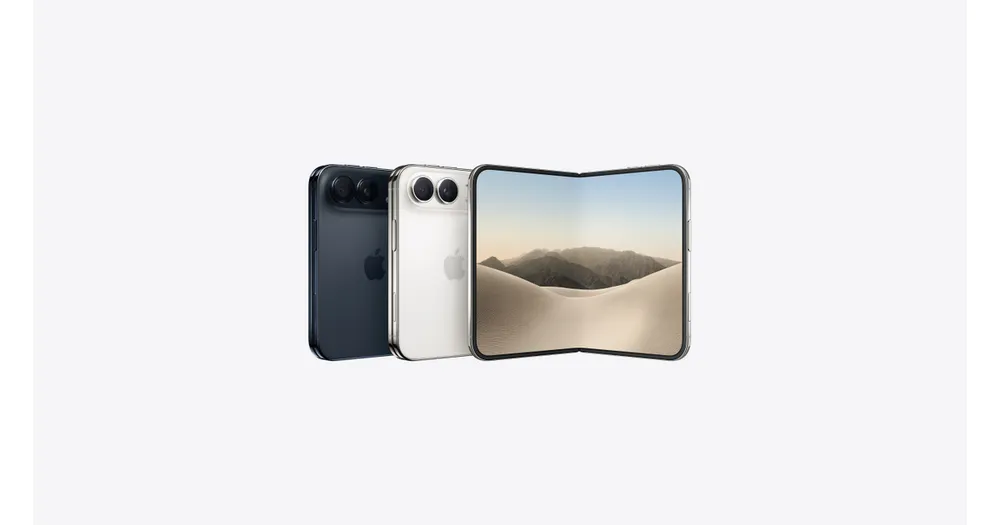


Engadget gave the iPhone Duo an 8.8 out of 10. MacRumors gave it 4.5 stars. The Wall Street Journal's Nicole Nguyen spent nearly a week with it and decided it isn't worth $800 more than an iPhone 18 Pro. All three went live this morning, two days before the Duo reaches customers on October 23, and all three tested the same $1,999 phone.
Read enough of them back to back and the disagreement turns out to be narrower than the scores suggest. Almost nobody is arguing about the hinge, the inner screen or whether Apple was right to wait this long. The split shows up somewhere less obvious: whether the reviewer judged the Duo held open on a table or held closed in one hand. That line matters more than any single score, because it sorts the complaints into the ones software can fix and the ones it can't.
The crease argument is mostly over
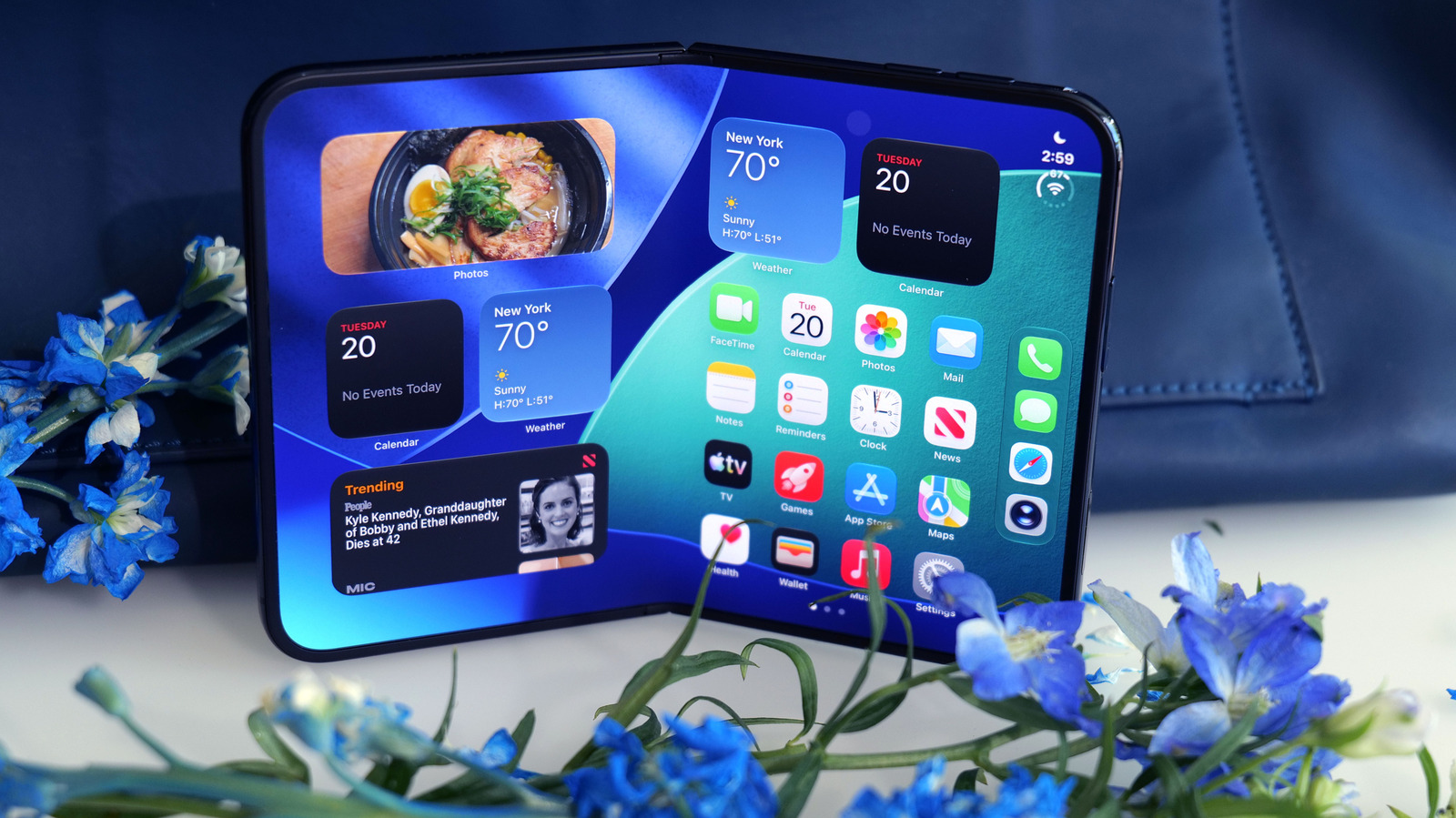
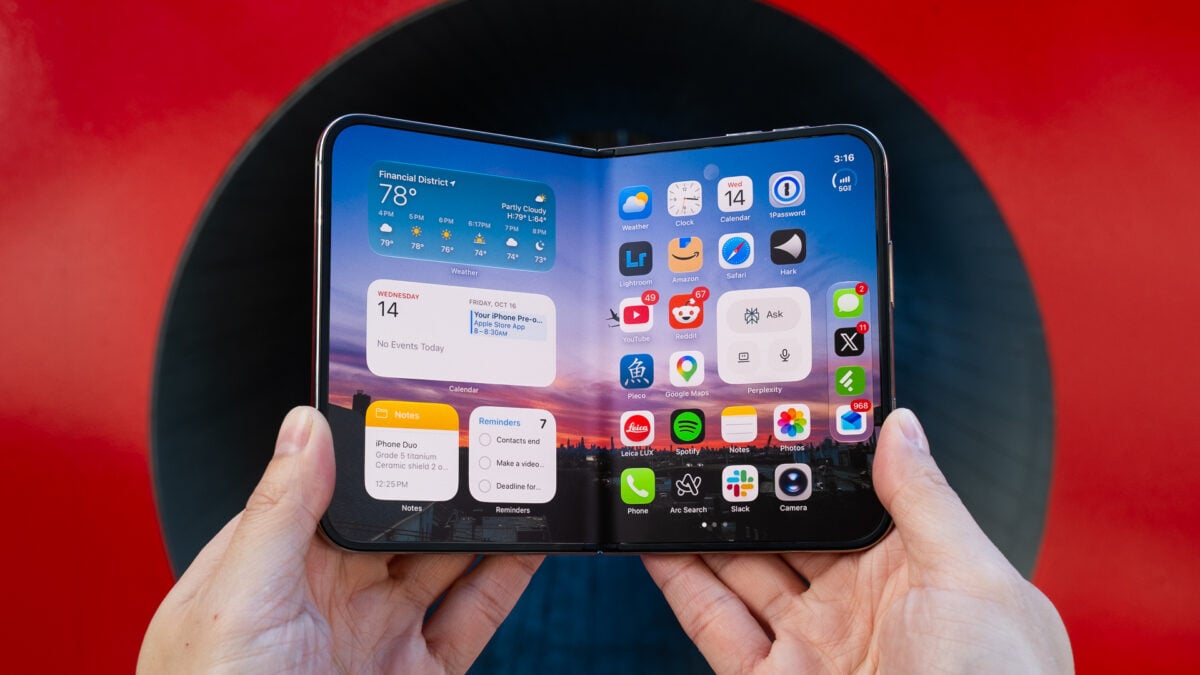
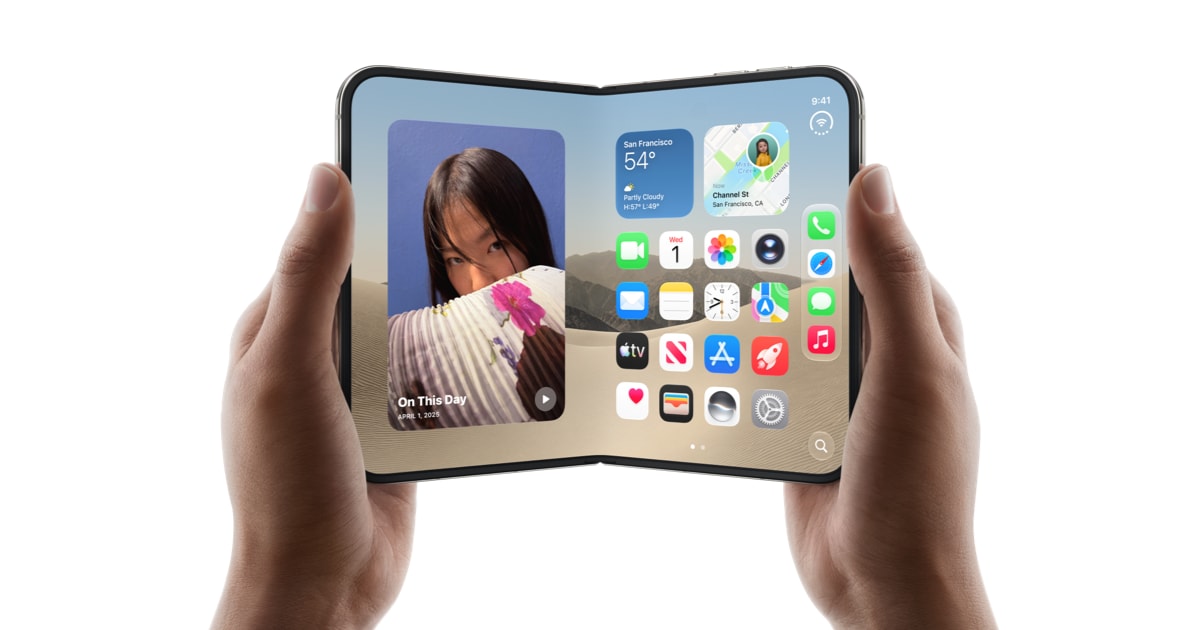
For years the crease was the first question anyone asked about a foldable, and these reviews largely retire it. Tom's Guide had trouble spotting it even outdoors. PetaPixel said you have to go looking for it, and judged Apple's version far ahead of Samsung's Fold line, where the crease is almost always visible. Gizmodo's Raymond Wong could still see it at certain angles but only really noticed it with the display off. The nano texture finish on the inner screen gets most of the credit, cutting glare and hiding the fold at the same time.
Two smaller findings deserve more attention than the crease itself. Engadget's Sam Rutherford found that the matte layer on the inner display can come off if you pick at it, and the Duo gives no warning during setup that the film should be left alone. Apple will replace it for $49. Gizmodo also hit a one time bug where text rendered right down the fold until a restart cleared it, and couldn't reproduce it afterward. Neither is a dealbreaker. If you buy one, though, leave that screen layer alone.
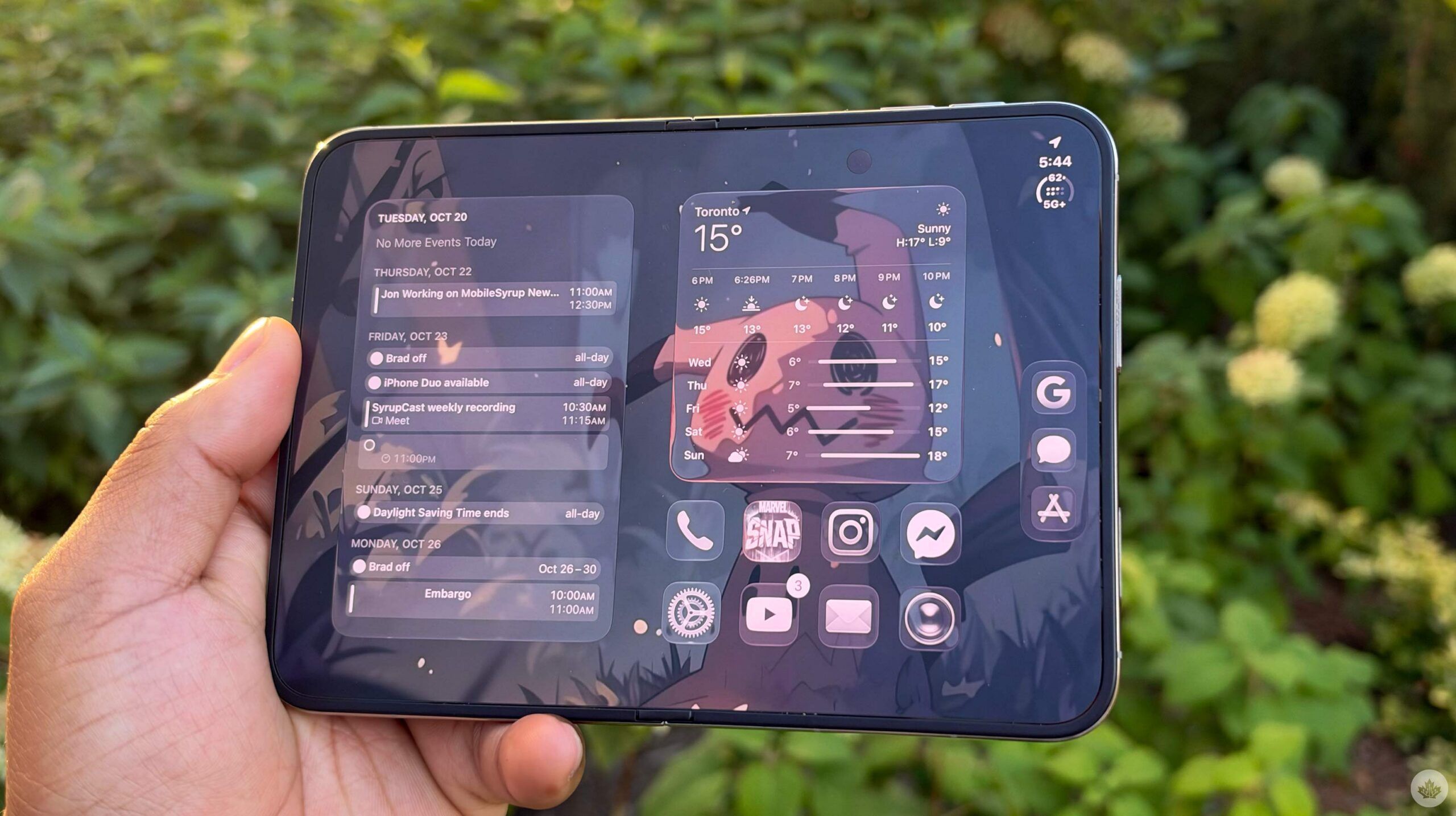
MobileSyrup is calling its piece a review in progress and plans to check back in a month, which is the right call. A week is enough to judge a crease on a brand new phone. It says much less about how that crease looks after months of opening and closing.
 Sam Rutherford
One hand or two
This is where the reviews actually divide.
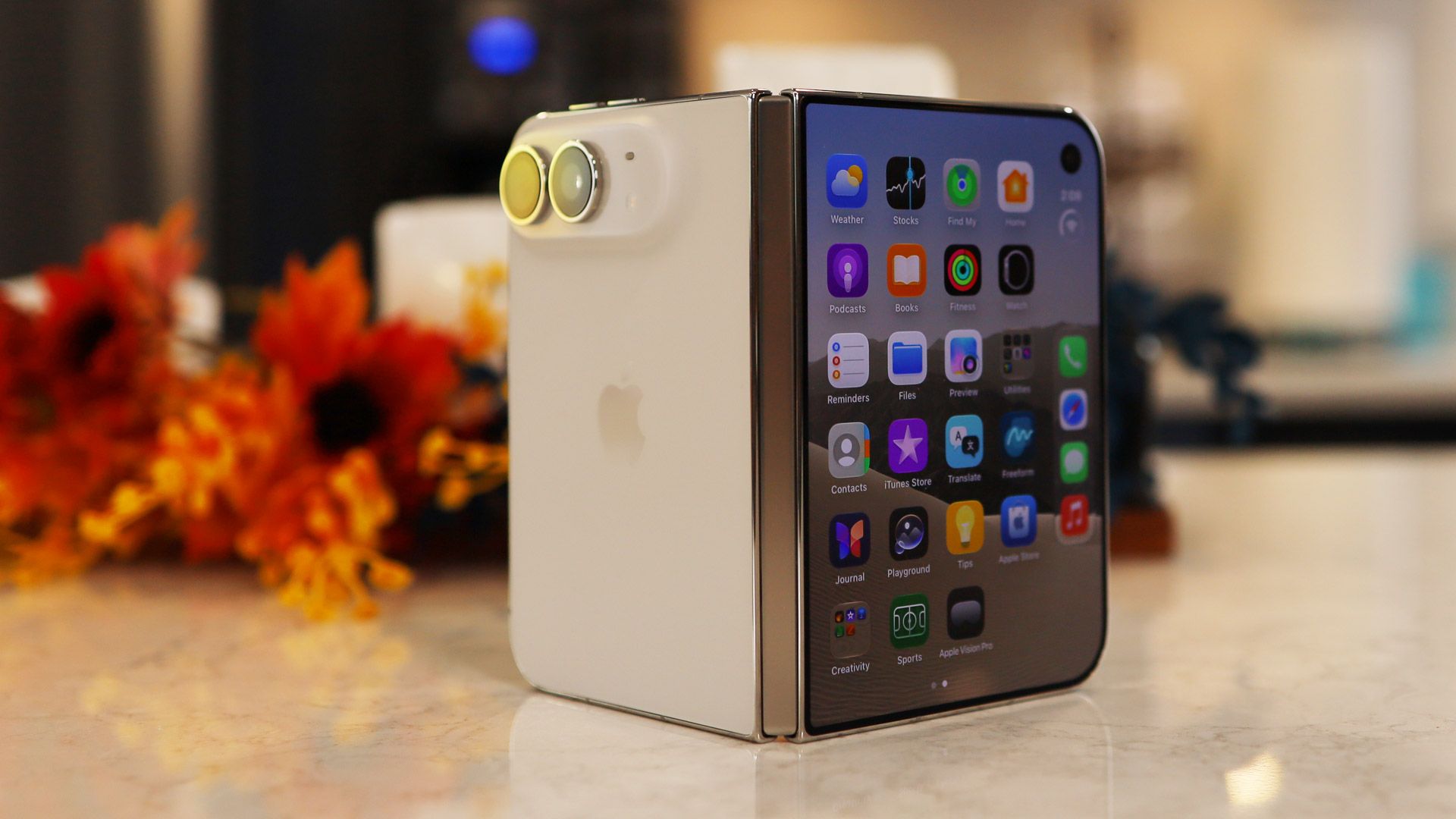
The Duo weighs 254 grams. Engadget puts that at more than 25 percent heavier than Samsung's Galaxy Z Fold 8, and the titanium frame Apple chose for durability is a big part of why. Reviewers who spent most of their time with the phone open, propped on a table or held in both hands, barely dwell on it. Engadget's review spends that energy on multitasking instead: pin two apps together, like mail and calendar, and opening either one brings both back side by side.
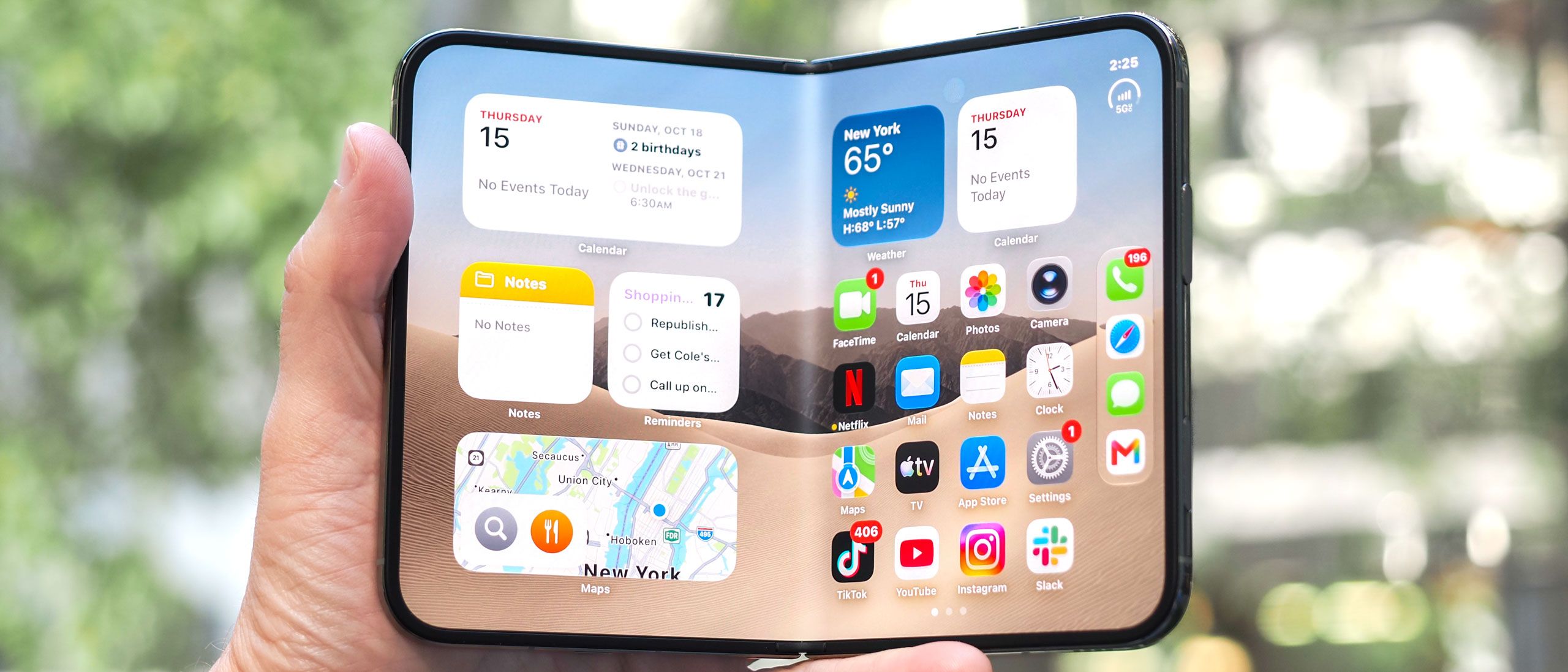
Nguyen used the Duo the way most people use a phone, closed and in one hand, and came away with a sore hand. Her thumb couldn't comfortably reach the flash toggle in Camera or the letter A on the keyboard, even with Apple moving the dock and common controls to the right edge. PetaPixel lists one handed use among its cons too. Nguyen expected a super productive iPhone and instead got what she calls a "super-chill" one, and she backs that up with specifics: opening a second Safari tab in split view is clumsier than on iPad, and there's no trackpad or mouse support, although a physical keyboard works.
She also makes the fair point that train commuters, frequent fliers and parents waiting out a practice won't mind the two handed grip. If your phone time mostly happens on a couch, a desk or a seat, the glowing reviews describe your experience. If it mostly happens while walking with a coffee in the other hand, hers does. Our iPhone Duo vs iPhone 18 Pro Max comparison works through that decision in more detail.

Battery depends on who's counting
Battery is the one area where the numbers don't line up, mostly because reviewers measured different things.
Engadget's video rundown test lasted 28 hours and 48 minutes, about half an hour longer than the Galaxy Z Fold 8, and Rutherford regularly finished days with 40 percent left. Tom's Guide had to rebuild its web browsing test so it filled the inner display, and got 13 hours and 20 minutes. TechRadar scored battery 4.5 out of 5. At the other end, PetaPixel found it only just enough for a normal day, and Nguyen was down to 10 to 20 percent by 11:30 at night after a day of nonstop testing.
Apple's own ratings explain part of the gap: 24 hours of typical use for the Duo against 30 for the iPhone 18 Pro Max. A review built around video playback is going to look better than one built around shooting photos all day.
Charging is a small step down from the Pro. PetaPixel measured 50 percent in about 20 minutes on a 60W adapter, against 15 minutes for the iPhone 18 Pro. Engadget adds a useful note for anyone shopping for a charger: Apple says 45W is enough to hit the Duo's top wired speed, even though Apple doesn't sell a 45W adapter itself. Qi2 and MagSafe top out at 25W.
 Mark Spoonauer
The camera and Touch ID trade
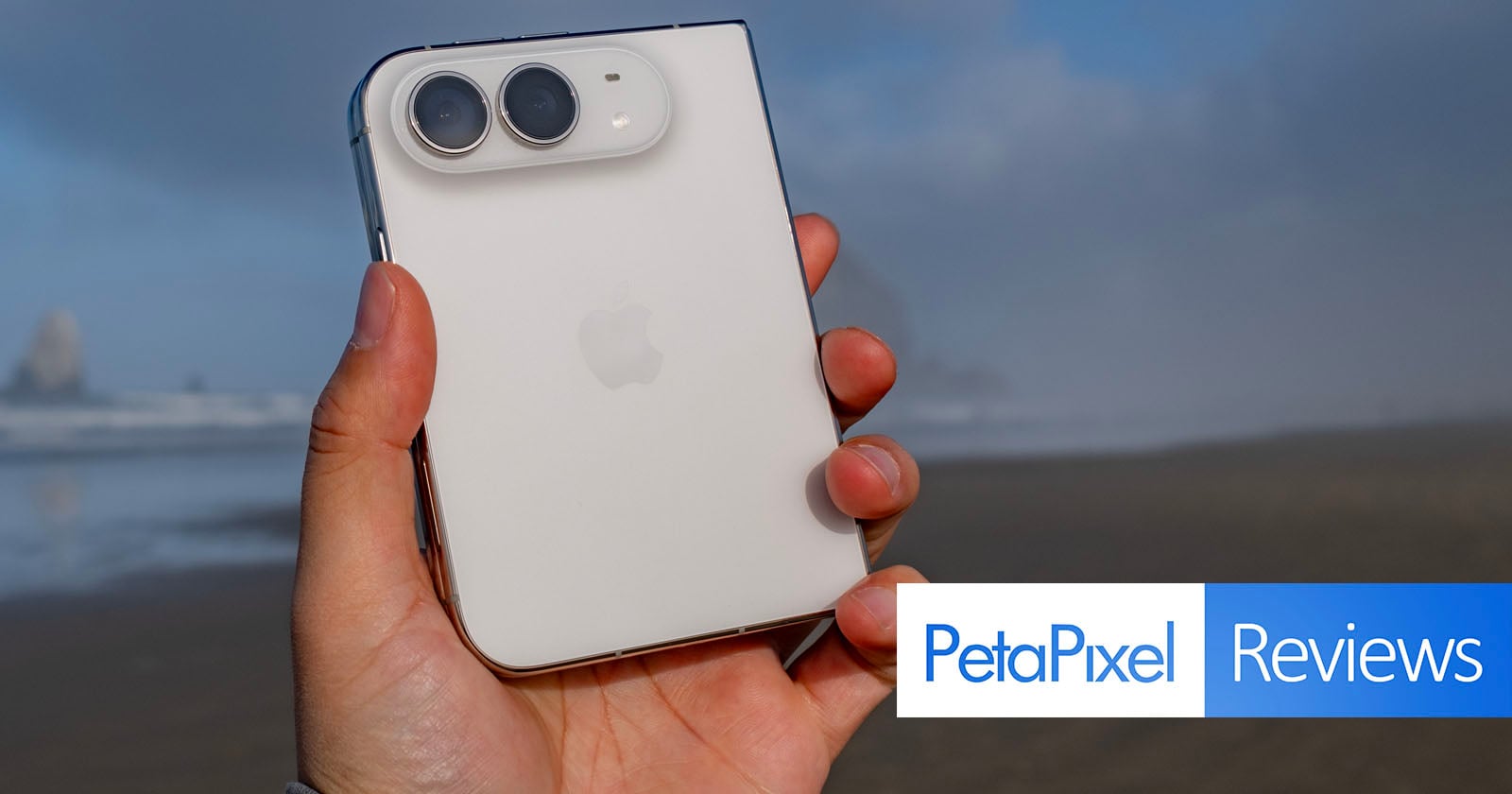
The Duo has two rear cameras, a 48MP main and a 48MP ultrawide, and every review measures them against the iPhone 18 Pro. That comparison doesn't go the Duo's way. Zoom tops out at 2x against 8x on the 18 Pro, which Nguyen flags as a real problem for parents and pet owners. Gizmodo found low light shots weaker than the Pro's. PetaPixel, writing for photographers, points out there's no ProRes Log video and no ProRAW.
Measured against other foldables, the picture improves. Engadget shot side by side with the Z Fold 8 and found the Duo kept pace, sometimes pulling ahead in low light with better exposure and more accurate color.
Touch ID in the side button is the other trade. Engadget found it accurate but slower than expected, and says Apple described the short delay as deliberate, giving the lock screen a moment to show notifications first. PetaPixel called it slow and clumsy. Nguyen missed Face ID, and the Action button she uses every day for the flashlight.
 Jaron Schneider
What changes before yours arrives
Sort every complaint in today's reviews and they land in two piles.
The first pile is software. Engadget found apps like Telegram stuck in a narrow portrait window with dead space on both sides, and some games letterboxed. Apple Pencil support and a Duo version of Reachability, which slides content sideways toward your thumb instead of down, aren't there on day one; Apple says both are coming. Some gaps are closing on their own: Engadget noted Gmail lacked the custom foldable layout it has on Android, while a Google spokesperson told the Journal that Gmail, Docs, Chrome, YouTube, Meet and Maps will support the Duo at launch. Google Photos has no date yet.
The second pile is hardware: the weight, the 2x zoom, the missing ProRAW, Touch ID in place of Face ID. No update touches any of it this generation.
Timing makes that split more useful than usual. When we looked at the sellout, new orders were shipping January 25, and while Apple has since pulled some delivery dates forward, most people who didn't preorder on day one are still looking at the new year. Nguyen makes the same observation. The software reviewers tested this week is the least finished version most buyers will ever see, while the hardware is exactly what everyone gets.
If your hesitation comes from the first pile, the wait works in your favor, and the Duo you unbox in January should be better than the one reviewed today. If it comes from the second pile, waiting doesn't fix anything, and the iPhone 18 Pro Max is still the better phone for you. MobileSyrup's one month follow up will be the first real test of which pile the crease belongs in.
Read the full reviews
 Raymond Wong
 Lance Ulanoff
 Joe Rossignol

 Dean Daley






Comments