



Apple sells three watches this fall, and the cheapest one runs the same watchOS 27, the same Siri AI and the same new tap gestures as the most expensive. The SE 3 starts at $249, the Series 12 at $399 and the Ultra 4 at $799. What you're really choosing between is a set of health sensors, a battery and how rough you are on your gear.
We've already compared the Series 12 and Ultra 4 head to head. This guide covers the whole lineup, starting with the decision most people actually face: is the SE 3 enough, or is the Series 12 worth $150 more?
The short answer
Get the SE 3 for a first Apple Watch, for a kid, or if you mostly want notifications, workouts, sleep tracking and safety features at the lowest price. Get the Series 12 if you want Apple's full set of health features, including Readiness, ECG and hypertension notifications. It's the right watch for most people. Get the Ultra 4 if you want two days of battery or more, or you hike, dive or travel where there's no cell signal.
Apple Watch SE 3 vs Series 12 vs Ultra 4 at a glance
| Spec | SE 3 | Series 12 | Ultra 4 |
|---|---|---|---|
| Starting price | $249 (40mm, GPS) | $399 (42mm aluminum, GPS) | $799 (cellular included) |
| With cellular | From $299 | From $499 | Included |
| Sizes and case | 40mm or 44mm aluminum | 42mm or 46mm aluminum, titanium or ceramic | 49mm titanium |
| Display brightness | Up to 1,000 nits | Up to 2,000 nits | Up to 3,000 nits |
| Chip | S10 | S11 | S11 |
| Battery, normal use | Up to 18 hours | Up to 24 hours | Up to 50 hours |
| 15 minute charge | Up to 8 hours | Up to 12 hours | Up to 18 hours |
| Readiness and recovery HRV | No | Yes | Yes |
| ECG, Blood Oxygen, hypertension alerts | No | Yes | Yes |
| Sleep score, sleep apnea alerts, wrist temperature | Yes | Yes | Yes |
| Siri AI, single and double tap | Yes | Yes | Yes |
| Fall and Crash Detection | Yes | Yes | Yes |
| Live Rewind, Sound Recognition, Shazam | No | Yes | Yes |
| Water | 50 meters, swimming | 50 meters, swim and snorkel, depth gauge to 6 meters | 100 meters, recreational scuba to 40 meters |
| Satellite SOS and siren | No | No | Yes |
Highlighted rows are where they differ. Specs and US prices from Apple. Live Rewind arrives as a beta later in 2026.
Apple Watch SE 3: more watch than the price suggests
The SE used to be the watch you bought when you didn't care about health features. The SE 3 changed that last year. It has an always on display, the S10 chip with double tap and wrist flick, sleep score, sleep apnea notifications and wrist temperature sensing, and on watchOS 27 it gets Siri AI and the new single tap like everything else. Apple also says its Ion-X glass is four times more crack resistant than the previous SE.
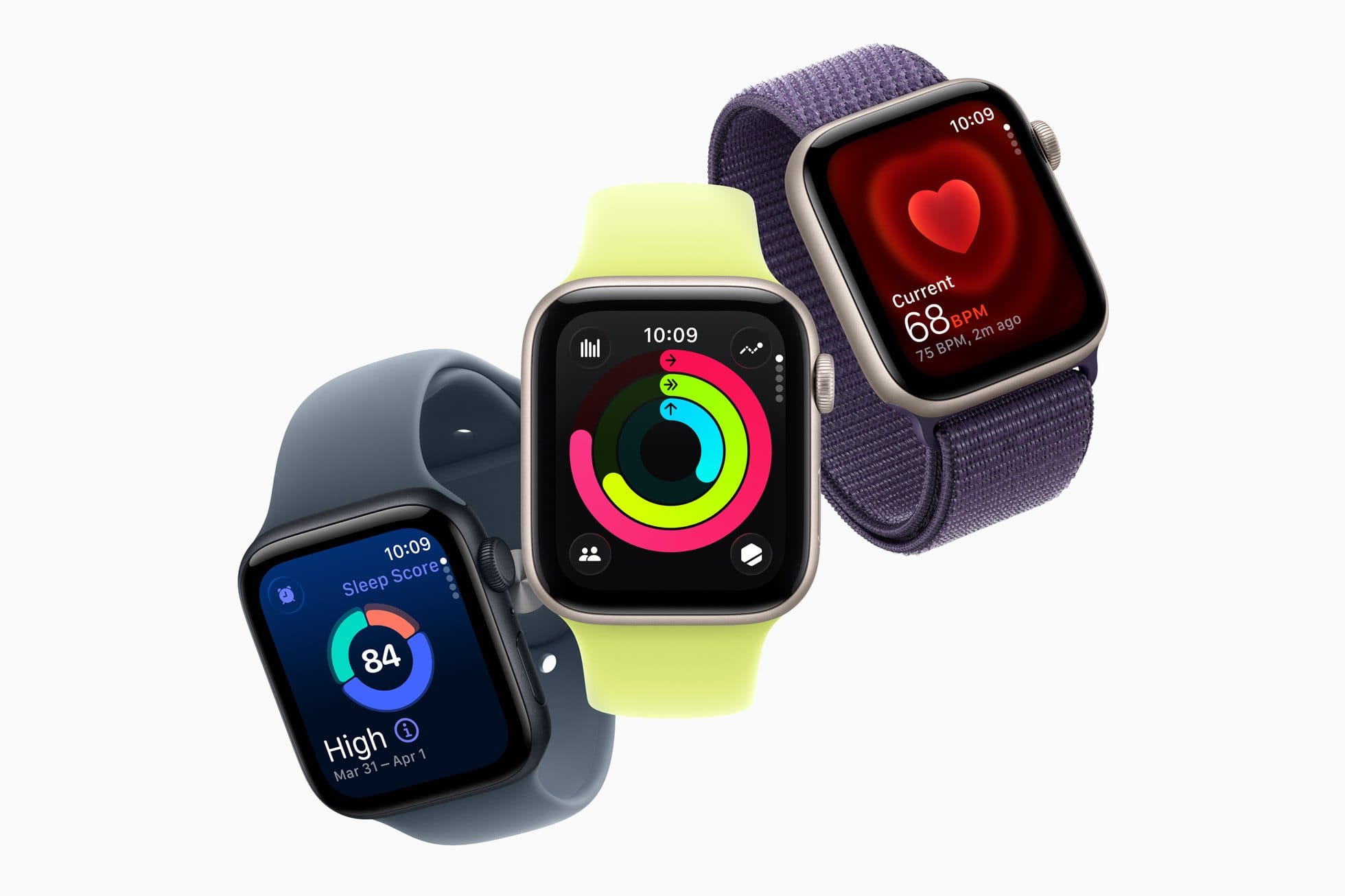
What it leaves out is the deeper heart work. There's no ECG app, no Blood Oxygen app, no hypertension notifications and no Readiness score, and the battery is rated at 18 hours, so it lives on the charger every night or every morning. It still has high and low heart rate and irregular rhythm notifications, Fall Detection and Crash Detection.
The SE 3 is also the watch to look at for a child. Apple Watch For Your Kids lets a parent set up and manage a watch for a kid who doesn't have an iPhone, but it needs a GPS + Cellular model, which puts the real starting price at $299 before the carrier plan.
Apple Watch Series 12: the one most people should buy
The $150 jump to the Series 12 buys the new Health Sensing System. It checks your heart rate every five seconds all day, measures heart rate variability far more often, adds recovery HRV to your overnight vitals and powers Readiness, the daily 0 to 10 score that tells you whether to push or rest. You also get ECG, Blood Oxygen, hypertension notifications, a brighter display, six more hours of rated battery and a much faster charge.
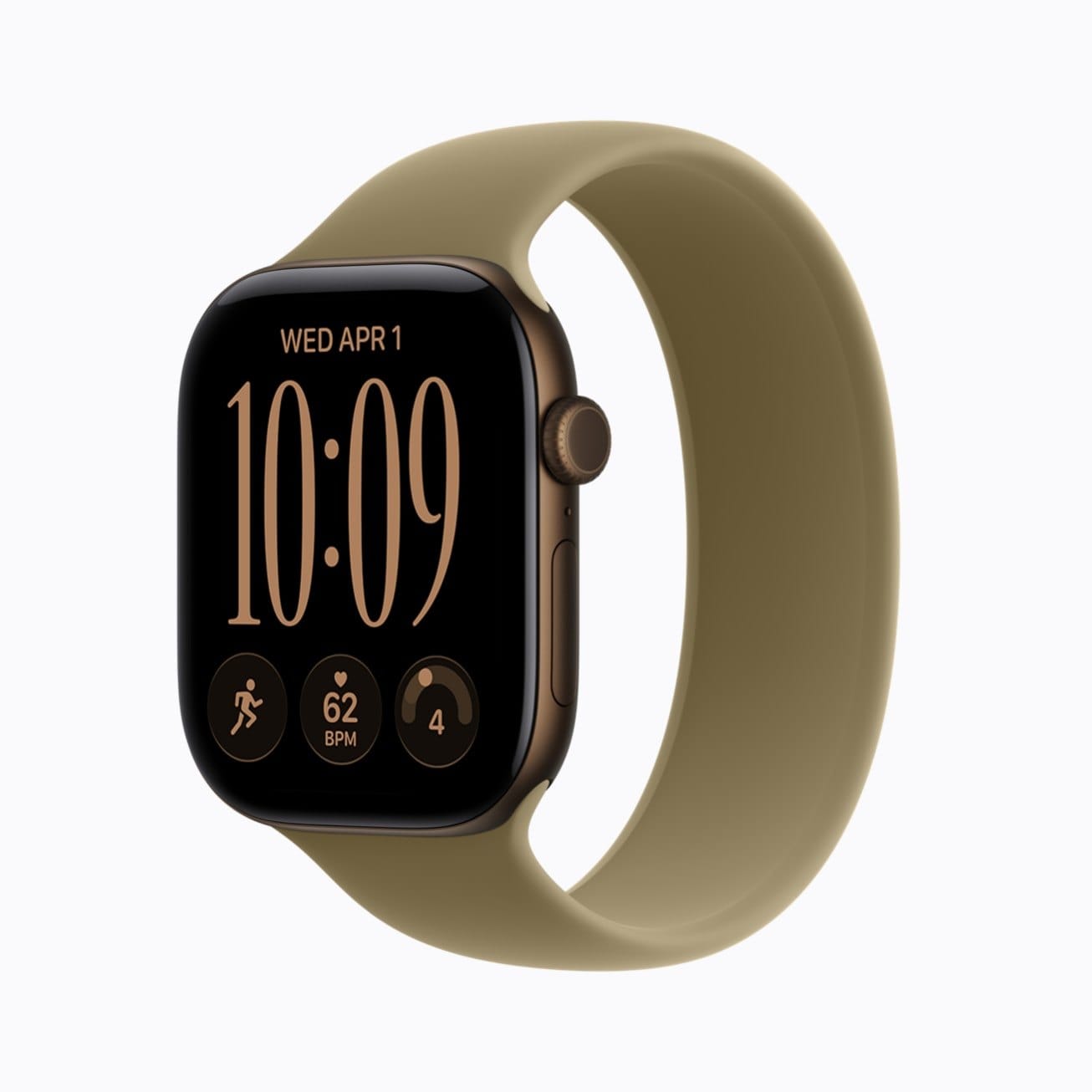
Later this year the Series 12 also gets Apple's Audio Intelligence features. Live Rewind turns the last 15 seconds of a conversation into text with a double press of the Digital Crown, and Sound Recognition alerts deaf and hard of hearing wearers to things like a doorbell or a siren. Neither is coming to the SE 3.
The 42mm aluminum GPS model at $399 is where most people should start. Size up to 46mm ($449) if you want a bigger screen, add cellular if you want to leave your phone behind on runs, and look at titanium ($699) or ceramic ($899) only if the finish matters to you, since the health features are identical across all of them.
Apple Watch Ultra 4: for battery and the outdoors
The Ultra 4 has the same S11 chip and the same health features as the Series 12. What the extra money buys is time and toughness: up to 50 hours of battery in normal use, a 3,000 nit display, a 49mm titanium case, dive features to 40 meters, a siren and Emergency SOS, Messages and Find My via satellite. I wear one every day, and the battery is the reason. Going two days or more between charges means sleep tracking never has to be planned around.
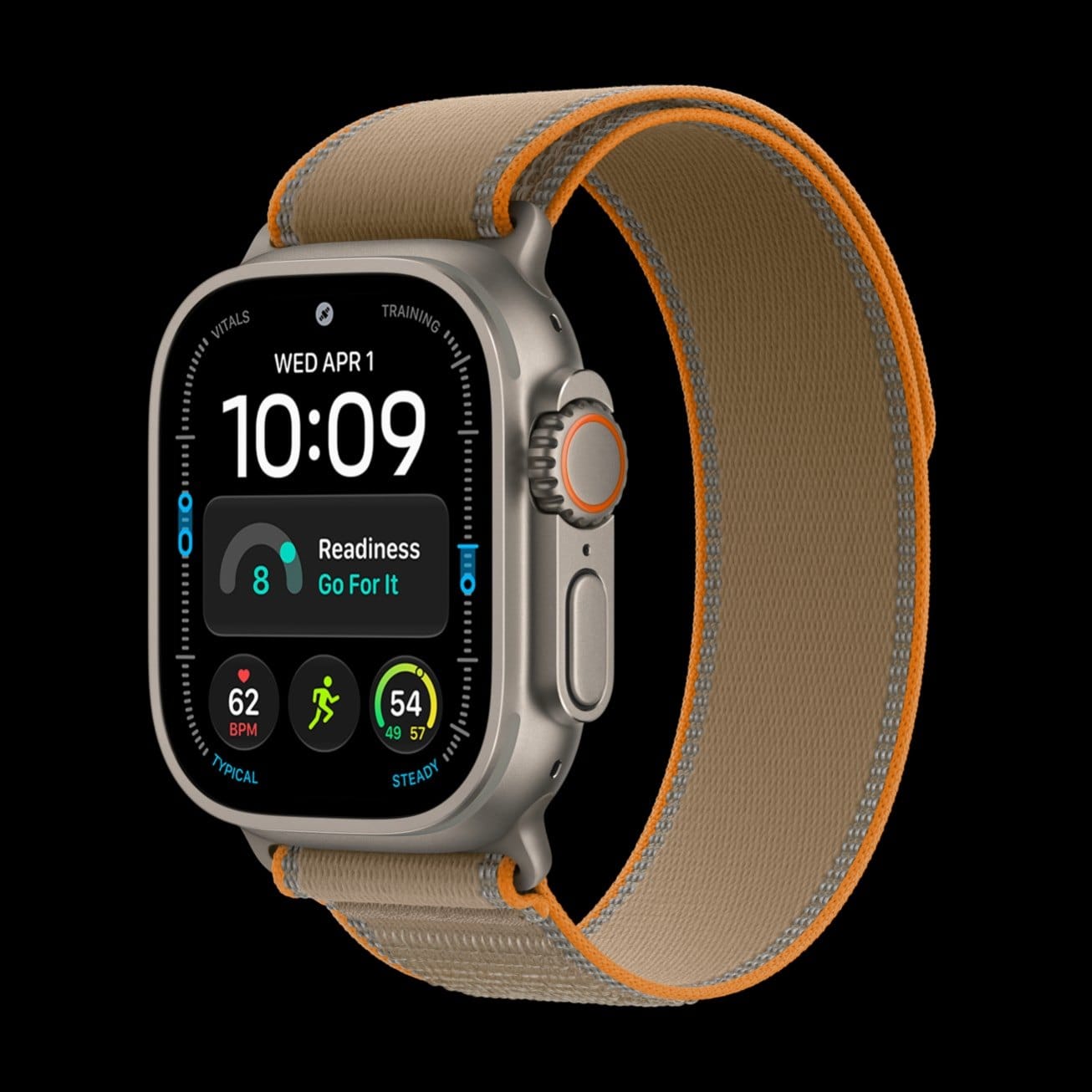
It's also big, at 49mm and 12mm thick, and there's still only one size. If you're deciding between a titanium Series 12 and the Ultra 4, our Series 12 vs Ultra 4 comparison goes through it in detail.
Should you replace the watch you have?
Start with whether your watch runs watchOS 27, because that's the line Apple drew this year. watchOS 27 supports the SE 3, Series 9 and later, and Ultra 2 and later.
Series 8 or older, the second generation SE, or the original Ultra: your watch stays on watchOS 26, which means no Siri AI, no new faces and no single tap. Any of the three current watches is a real step up. One catch for Series 8 owners eyeing the SE 3: it drops the ECG and Blood Oxygen apps your current watch has, so the Series 12 is the like for like replacement.
Series 9, 10 or 11, Ultra 2 or Ultra 3: watchOS 27 already gave you Siri AI, the new app grid and the single tap for free. A new watch buys you the Health Sensing System, Readiness, Audio Intelligence and better battery. Those are worth it if you train seriously or care about recovery data. If you mostly use your watch for notifications and Activity rings, keep it.
SE 3: keep it unless you specifically want Readiness or the ECG app.
Apple made the lineup simpler this year by putting the same health hardware in the Series 12 and Ultra 4 and the same software in all three. That pushes the real decision down to two questions: do you want the heart and recovery data the SE 3 can't collect, and how often are you willing to charge? If the answer to the first is no, the SE 3 is a very good watch for $249. If it's yes, buy the Series 12 unless you already know you're tired of charging every day.






Comments