

iPhone 16 Pro vs iPhone 18 Pro: Is the Two Year Upgrade Worth It?
Two years of changes add up. Here is what the iPhone 18 Pro gives a 16 Pro owner, what it quietly takes away, what it costs, and a straight answer on whether to upgrade or keep your phone.

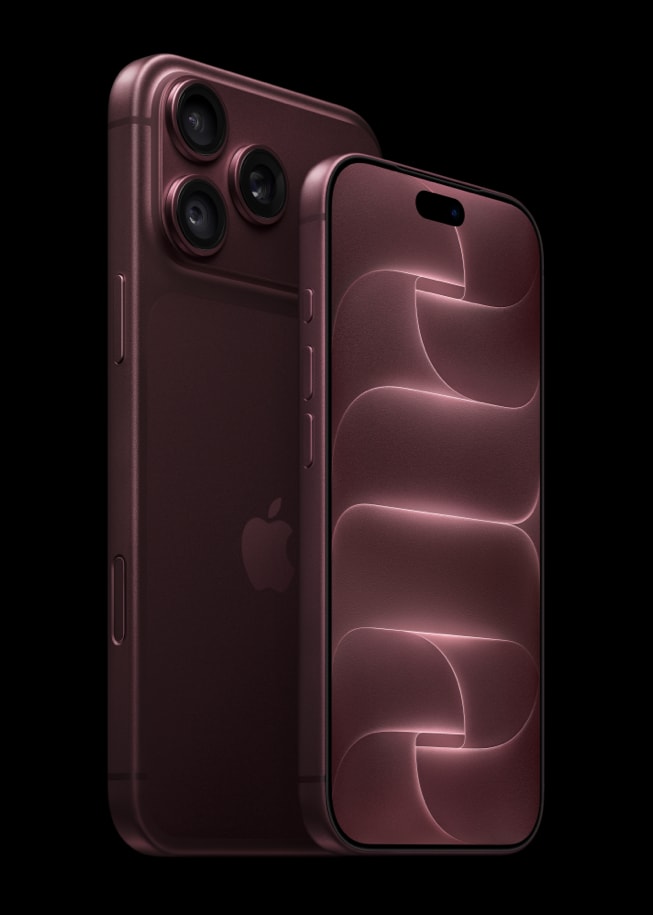
Two years is when the math on an iPhone starts to change. The installment plan is paid off, the battery no longer makes it to bedtime the way it used to, and the carrier is sending upgrade offers every week. If there is an iPhone 16 Pro in your pocket, you are squarely in that window right now. So is the iPhone 18 Pro the phone that makes the upgrade worth it, or a familiar shape with a higher price tag?
The answer is more interesting than it was for iPhone 17 Pro owners, because two years of changes have stacked up. Some of them you will feel every day. A couple of them go the other way, and nobody selling you the phone is going to mention those.
The short answer
Upgrade if your battery has faded, you take a lot of photos in low light or at a distance, or you want faster charging. Wait if your 16 Pro still lasts the day and you mostly message, browse and stream. It runs iOS 27 and Siri AI, and it is not going to feel slow next to the new model for everyday tasks.
iPhone 18 Pro vs iPhone 16 Pro at a glance
| Spec | iPhone 18 Pro | iPhone 16 Pro |
|---|---|---|
| Starting price | $1,199 (256GB) | $999 at launch (128GB) |
| Chip | A20 Pro, 2 nanometer | A18 Pro |
| Video playback | Up to 36 hours | Up to 27 hours |
| Pro Max video playback | Up to 45 hours | Up to 33 hours |
| Wired fast charging | 50% in about 15 min (60W AVS adapter) | 50% in about 30 min (20W adapter) |
| Qi2 wireless | Up to 25W | Up to 15W |
| Main camera | 48MP Fusion, variable aperture f/1.48 to f/4 | 48MP Fusion, fixed f/1.78 |
| Telephoto | 48MP 4x (100mm), 8x optical quality | 12MP 5x (120mm) |
| Ultra Wide | 48MP | 48MP |
| Front camera | 18MP Center Stage | 12MP TrueDepth |
| Outdoor peak brightness | 3,000 nits | 2,000 nits |
| Display | 6.3 inch, ProMotion, Always On | Same |
| Dynamic Island | Smaller, up to three Live Activities | Standard size |
| Frame | Aluminum unibody | Titanium |
| Weight | 211 g | 199 g |
| Thickness | 8.75 mm | 8.25 mm |
| Modem and wireless | Apple C2 modem, Apple N1 (Wi-Fi 7, Bluetooth 6) | Wi-Fi 7, Bluetooth 5.3 |
| Storage | 256GB to 2TB | 128GB to 1TB |
| Camera Control and Action button | Yes | Yes |
| Siri AI in iOS 27 | Yes | Yes |
Highlighted rows are where they differ. Battery and charging figures are Apple's, for US eSIM models.
What two years buys you
A battery that finally feels like a different phone
This is the change most 16 Pro owners will notice first. Apple rates the iPhone 18 Pro for up to 36 hours of video playback, against 27 hours for the 16 Pro. That is nine more hours on paper, a third more endurance, before you even account for two years of wear on your current battery. The gap on the bigger phones is wider still: the 18 Pro Max is rated for up to 45 hours, against 33 hours on the 16 Pro Max.
Charging moved just as much. With a 60W capable USB-C cable and a USB PD 3.1 adapter that supports Adjustable Voltage Supply, the 18 Pro reaches 50 percent in about 15 minutes wired, where the 16 Pro takes about 30 minutes to get there with a 20W adapter. Wireless improved too, with Qi2 charging up to 25W on the 18 Pro against 15W on the 16 Pro. MagSafe stays at up to 25W on both.
A camera with a real aperture
The iPhone 18 Pro's 48MP Fusion Main camera has the first variable aperture Apple has put in an iPhone, with six blades that move between f/1.48 and f/4. Open wide, it gathers noticeably more light than the 16 Pro's fixed f/1.78 main camera, which matters in dim restaurants and at night. Stopped down, it keeps more of a scene in focus, which is useful for group shots and close up detail. Apple pairs it with Pro controls in the Camera app for aperture, shutter speed and white balance, plus a histogram. Our variable aperture guide explains when to take control and when to leave it on auto.
The front camera is a bigger jump than it sounds. The 18 Pro's 18MP Center Stage camera replaces the 16 Pro's 12MP TrueDepth camera and can record 4K Dolby Vision at up to 60 frames per second, so selfies and video calls get a real upgrade too.
The telephoto trade you should know about
Here is where the spec sheet gets subtle. The iPhone 16 Pro has a 12MP 5x telephoto at 120mm. The iPhone 18 Pro has a 48MP 4x telephoto at 100mm, with an 8x optical quality mode at 200mm. In practice the 18 Pro reaches further and captures far more detail, but its native telephoto lens is slightly wider than the one you have now. If 5x is the framing you reach for at concerts or your kid's games, the new phone gets you there by cropping from a much higher resolution sensor rather than with a dedicated 5x lens. Most people will not miss it. Some will notice.
A brighter screen and more headroom
Both phones use a 6.3 inch ProMotion display with Always On, but the 18 Pro reaches up to 3,000 nits outdoors against 2,000 on the 16 Pro. In direct summer sun, that is the difference between reading a map and shading the screen with your hand. The Dynamic Island is also smaller and can show three Live Activities at once.
Inside, the A20 Pro is built on a 2 nanometer process, and a redesigned vapor chamber helps it sustain performance for longer. You will feel that in games, long 4K recordings and video exports more than in Messages or Safari. The 18 Pro also brings Apple's own C2 modem and N1 wireless chip, with Wi-Fi 7, Bluetooth 6 and Thread, and storage now starts at 256GB and goes up to 2TB.
What you give up
Three things, and they are worth weighing honestly.
Titanium. The 16 Pro has a titanium frame. The 18 Pro uses an aluminum unibody design. Aluminum is better at moving heat away from the chip, which is part of why Apple made the switch, but if you liked the feel and finish of titanium, you are giving it up.
Weight and thickness. The 18 Pro weighs 211 grams against 199 grams for the 16 Pro, and it is 8.75 mm thick against 8.25 mm. The Pro Max grows from 227 to 249 grams. That extra mass is largely battery, and it is the reason for those battery numbers, but you will feel it in a pocket.
The 5x lens. As above, the dedicated telephoto moves from 5x to 4x. The new one is better overall, but it is a different tool.
What stays the same
A lot of what made the 16 Pro feel modern two years ago is still current. Both phones have Camera Control, the Action button, ProMotion and Always On, and the same 6.3 inch and 6.9 inch screen sizes. Most importantly, both run iOS 27 and support Siri AI. Apple lists iPhone 16 models among the phones that get it, so if the new Siri is what has you looking at an upgrade, you may already have it. Our guide to which iPhones get Siri AI breaks down what each model sees.
What it costs
The iPhone 18 Pro starts at $1,199 with 256GB, and the 18 Pro Max starts at $1,299. For context, the 16 Pro launched at $999 with 128GB, so part of the higher price is the higher starting storage. Apple Trade In offers $175 to $885 in credit for an iPhone 13 or later, depending on model and condition, and carriers are running larger offers that are usually tied to a new plan or a long installment agreement. Check Apple's trade in estimator for your exact phone before you decide, because a clean 16 Pro is still worth real money and that number changes the whole calculation.
If you would rather keep the monthly cost predictable, we compared the options in our looks at Apple Upgrade and AppleCare One.
Check your battery before you decide
The single most useful thing a 16 Pro owner can do before spending $1,199 is open Settings > Battery > Battery Health and look at Maximum Capacity. Apple rates iPhone 15 models to keep 80 percent of their original capacity at 1,000 complete charge cycles under ideal conditions, and a two year old phone that is used hard can be well on its way there.
If your capacity is still high and the phone gets you through the day, a new phone is a want, not a need, and your 16 Pro has plenty of life left. If it has dropped noticeably and you are charging at lunch, the 18 Pro's battery is the single best reason to upgrade this year. And if you love your 16 Pro otherwise, a battery service is a far cheaper way to make it feel new again.
Our verdict
Upgrade if battery life is your daily frustration, if you shoot a lot of low light or long range photos, or if your 16 Pro has a cracked back or a tired battery anyway. The 18 Pro fixes the things two years of use tend to wear down.
Wait if your 16 Pro is in good shape. It runs iOS 27 and Siri AI, it has Camera Control and a great camera system, and the money you save covers a battery service later, or simply a phone you have paid off and get to keep.
Pro Max owners have the strongest case of anyone. The jump from 33 to 45 hours of rated video playback is the largest in this comparison, and it is the one change here that alters how you use the phone day to day. If you are torn between sizes, our iPhone 18 Pro vs iPhone 18 Pro Max comparison lays out the differences, and the iPhone 17 Pro vs 18 Pro breakdown covers what changed in the last year alone.
Before you buy
Early iPhone 18 Pro units have had a few issues worth knowing about, including a Face ID restart bug that iOS 27.0.1 fixed. Our iPhone 18 Pro problems tracker keeps the current list. Your 16 Pro cases will not carry over, since the 18 Pro's dimensions and camera layout are different, so budget for a new one. The iPhone 18 Pro section of our Gear Guide has the cases we trust at every price.
Two years ago, the 16 Pro was the phone that introduced Camera Control and set up Apple's AI era. It still does both. The 18 Pro is a meaningfully better phone, mostly in the places a two year old phone starts to feel its age. Let your battery health screen make the call.
Read us first
See more TBTL when you search Google
Add Tech Between the Lines as a preferred source and our Apple coverage shows up more often in your Top Stories. It takes one tap, and you can change it anytime.
Prefer TBTL on Google