



How many people walked out of an Apple Store this fall with a subscription trial they never knowingly agreed to? Nobody outside Apple can say, and Apple isn't saying. What is on the record is narrower and more useful: some U.S. stores measured each salesperson on how many device buyers also left with a subscription, the target at some of them was 40 percent, and Apple dropped that measure in the first week of November, days after a consumer advocate started publishing what store employees were telling him.
We spend a lot of time on this site explaining what Apple gets right. This belongs here too. The individual allegations are unproven and Apple hasn't responded to them publicly, but the incentive behind them is confirmed, and checking whether it touched your own account takes about a minute.
What store employees describe
Over the two weeks before November 8, repair technician and consumer rights advocate Louis Rossmann posted a series of YouTube videos built on tips from customers and from people who say they work in Apple Stores. MacRumors laid out the claims on Sunday, November 8, and confirmed part of them independently.
The process starts with something most customers would see as helpful. In U.S. stores, an employee can ask whether you want to scan a QR code for a system called Connect and Personalize. Once you do, the employee's store device shows the Apple devices you own, the Apple subscriptions you already pay for, and trial offers based on what you just bought, each with Agree and Decline buttons. Your Apple Account's default payment method is already attached.
Rossmann's sources say some employees rushed through that screen, some were told to present the trials as gifts, and some tapped Agree themselves. The services named across the reports include Apple One, Apple Music, Apple Fitness+, Apple News+, Apple Arcade and Apple Creator Studio. Rossmann has also said that some of the internal documents shown in his videos were recreated to protect his sources, so read those as illustrations of what people told him rather than as original files.
Apple does send an email when a trial starts on your account. In a busy checkout that email looks like any other receipt, and nothing is charged until the trial ends, which is exactly when most people have stopped thinking about the store visit.
The number behind it
The metric was called the services attach rate. At some U.S. stores the target was 40 percent for each employee, meaning four of every ten customers buying a device should leave with at least one subscription. MacRumors confirmed that Apple removed it for retail employees early in the week of November 2.
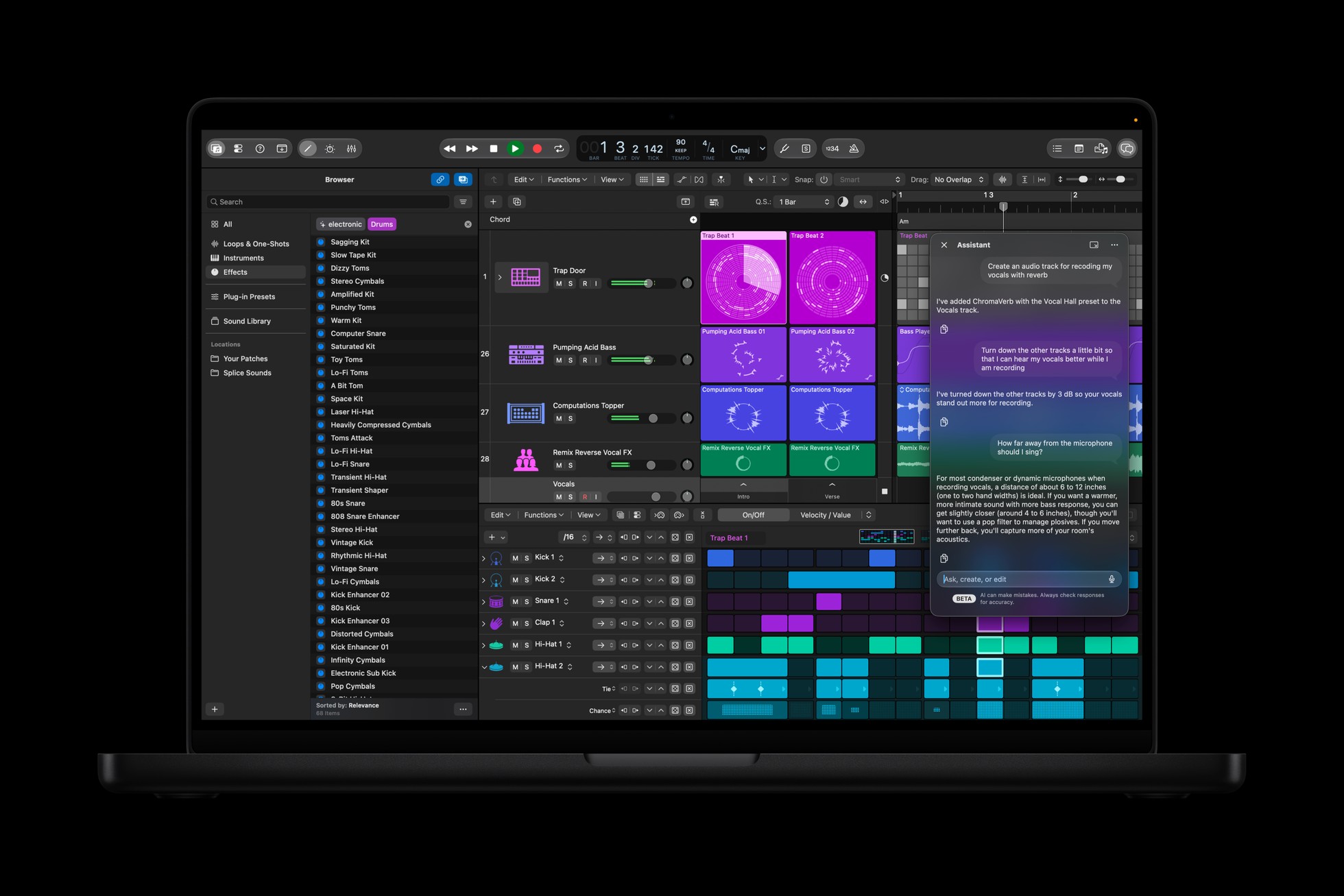
It's easy to see why Apple wanted that number. Services brought in $31.6 billion in the September quarter, an all time high, and $123.3 billion across fiscal 2026, according to Apple's fourth quarter results. By our math from the same statement, services ran at roughly a 76 percent gross margin that quarter, against about 37 percent for hardware. A trial that turns into a paying Apple One plan is worth more to Apple over a year than most of what hangs on the accessory wall. Selling services is Apple's growth plan well beyond the store, too; it's the same push behind the AI usage packs Apple started selling with Logic Pro 13.
Anyone who has run a support desk knows how this goes. Measure technicians on tickets closed and tickets get closed, whether or not anything got fixed. Put a 40 percent attach target on a retail floor in the middle of launch season and some people will find the shortest path to 40 percent. That doesn't excuse anyone who tapped Agree for a customer. It does mean the problem was built into the system, through a target that rewarded the outcome and a consent button sitting on a device the employee was holding.
What Apple has done, and what it hasn't
Inside the company, Apple moved quickly. Besides dropping the metric, it sent retail staff a memo later that same week reminding them to respect customer privacy and get consent, covering subscription trials, Connect and Personalize, Apple Upgrade sign ups and Genius Bar work authorizations. It went out before the first holiday shopping weekend, when stores bring on seasonal staff who are new to all of this.
The explanation Apple gave MacRumors for removing the metric is that it matters less during the holidays, when many people are buying devices as gifts. MacRumors couldn't say whether the videos played a part. Taken at face value, that reason describes a seasonal pause, and a metric paused for the holidays can come back in January.
What's missing is anything aimed at customers. Apple hasn't said publicly whether the allegations hold up, how many accounts might be affected, or whether it will contact people or refund charges on its own. For now, finding an unwanted trial is up to you.
The tools for that, to Apple's credit, are good. Every Apple subscription sits in one list, canceling takes a few taps, and refunds have a self service page. That makes the gap in the store more frustrating, because the same company built a clean way out.
How to check your account
Look for any trial or subscription that started on the day of a store visit, or one you don't remember choosing. On iPhone or iPad:
- Open Settings and tap your name.
- Tap Subscriptions.
- Tap anything you don't recognize to see when the trial ends and what it will cost.
- Tap Cancel Subscription. You may need to scroll down to find it.
On a Mac, open the App Store, click your name at the bottom of the sidebar, click your name again on the page that opens, then click Subscriptions. In a browser, sign in at account.apple.com and open the subscriptions section. Apple's support article on canceling subscriptions has the same steps, and it notes that if there's no Cancel button, the subscription is already canceled.
Timing matters with trials. Apple says to cancel at least 24 hours before a trial ends if you don't want it to renew. Apple One, the trial named most often, costs $21.95 a month for Individual, $27.95 for Family and $39.95 for Premier, and renews automatically once the trial ends. A subscription also lives on your Apple Account, not on the device, so returning an iPhone during the holiday return window does nothing to a trial that was started when you bought it.
If you've already been charged, go to reportaproblem.apple.com, choose I'd like to, then Request a refund, pick a reason and select the subscription. Apple's refund instructions say to expect an update within 24 to 48 hours. If the charge isn't listed or the request is turned down, contact Apple Support and say the trial was started in a store without your consent. If you organize Family Sharing, choose All on that page to see purchases charged to your payment method by everyone in the family.
And if you're shopping in an Apple Store this season, the Connect and Personalize scan is optional: the employee asks first. If you do scan it, ask to see the screen before anything is accepted.
What to watch
Two things will say more than any memo. The first is whether Apple says anything publicly, and especially whether it offers refunds to customers who didn't ask for these trials instead of waiting for each person to find the charge. The second is whether the attach rate comes back after the holidays under the same name or a new one.
Apple One is a good deal for a lot of households and sells perfectly well when people understand what they're signing. The Apple Store is also the place many people trust most to set up a new iPhone for a parent who isn't sure what any of these screens mean. A sales target that treats that trust as a conversion rate is the part Apple needs to fix for good, not just for December.




Comments