


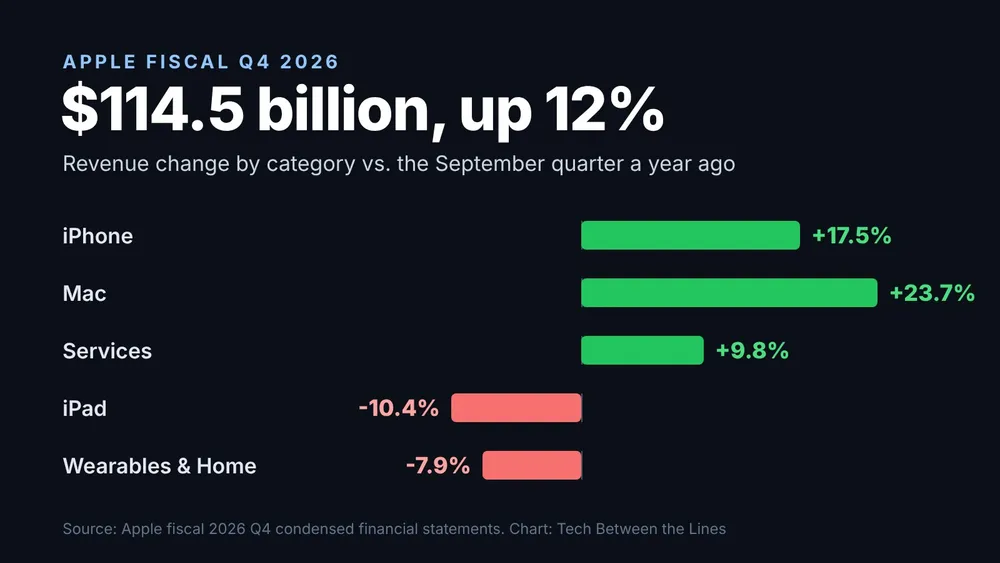


What does a record quarter tell you when the products everyone is waiting for barely appear in it? The iPhone 18 Pro was on sale for eight days of the quarter, according to CNBC, and the iPhone Duo didn't reach stores until after it closed on September 26. Apple still reported $114.5 billion in revenue for its fiscal fourth quarter, up 12 percent from a year ago, with September quarter records for revenue, iPhone and earnings per share, and an all-time high for Services.
It was also John Ternus's first quarter as CEO since he took over from Tim Cook on September 1, and Apple's press release reads like a new CEO setting the table. Ternus called the iPhone Duo "the most transformational iPhone since the original" and named the new home hardware, touch on the Mac and the new Siri as the lineup "to carry us into the holiday season." The numbers below are the last ones Apple will report before that lineup gets tested for real.
The numbers
Every figure here comes from Apple's condensed financial statements for the quarter ended September 26, 2026, compared with the quarter ended September 27, 2025.
| Category | Q4 2026 | Q4 2025 | Change |
|---|---|---|---|
| iPhone | $57.58B | $49.03B | +17.5% |
| Mac | $10.79B | $8.73B | +23.7% |
| iPad | $6.23B | $6.95B | −10.4% |
| Wearables, Home and Accessories | $8.30B | $9.01B | −7.9% |
| Services | $31.57B | $28.75B | +9.8% |
| Total | $114.48B | $102.47B | +11.7% |
| Region | Q4 2026 | Q4 2025 | Change |
|---|---|---|---|
| Americas | $48.68B | $44.19B | +10.2% |
| Europe | $32.01B | $28.70B | +11.5% |
| Greater China | $17.54B | $14.49B | +21.0% |
| Japan | $6.54B | $6.64B | −1.4% |
| Rest of Asia Pacific | $9.71B | $8.44B | +15.0% |
Net income was $30.7 billion, up 11.8 percent, and diluted earnings per share were $2.10, up 13.5 percent. For the full fiscal year, Apple brought in $478.8 billion, up 15 percent, the most in its history. iPhone alone made $254.1 billion for the year, up 21 percent. The board declared a dividend of $0.27 per share, payable November 16.
iPhone grew 17 percent before the new lineup really arrived
iPhone revenue was $57.6 billion, about $1 billion above the $56.5 billion analysts expected according to LSEG data cited by CNBC, and it made up just over half of everything Apple sold in the quarter. With only eight days of iPhone 18 Pro sales and no iPhone Duo at all, most of that growth came from phones that were already on shelves.
There is a price story inside that number too. Apple raised prices across its lineup in June, including $100 on iPhone, after warning about the worldwide shortage of memory and other components, so this was the first full quarter at the higher prices. Ternus told CNBC that Apple raised prices "reluctantly" and that the increases helped offset higher component costs. He also said industry research firms reported market share gains for Apple in the quarter. Apple doesn't report unit sales, so these numbers can't tell you how much of the 17.5 percent came from more phones and how much came from each phone costing more. We wrote in June that Apple's prices were already going up, and this quarter is the first full look at what buyers did about it. So far, they kept buying.
The Mac surged while iPad and wearables slipped
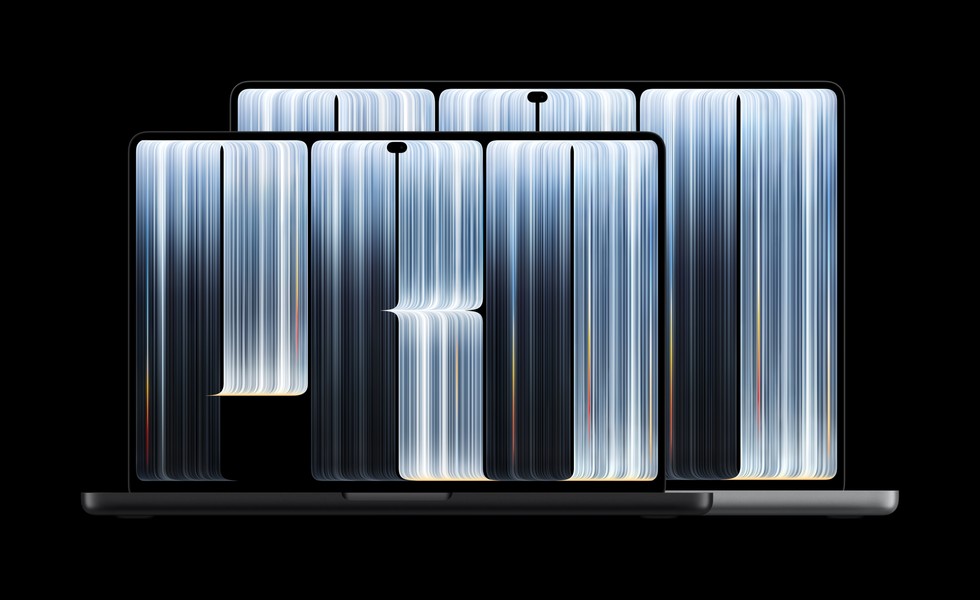
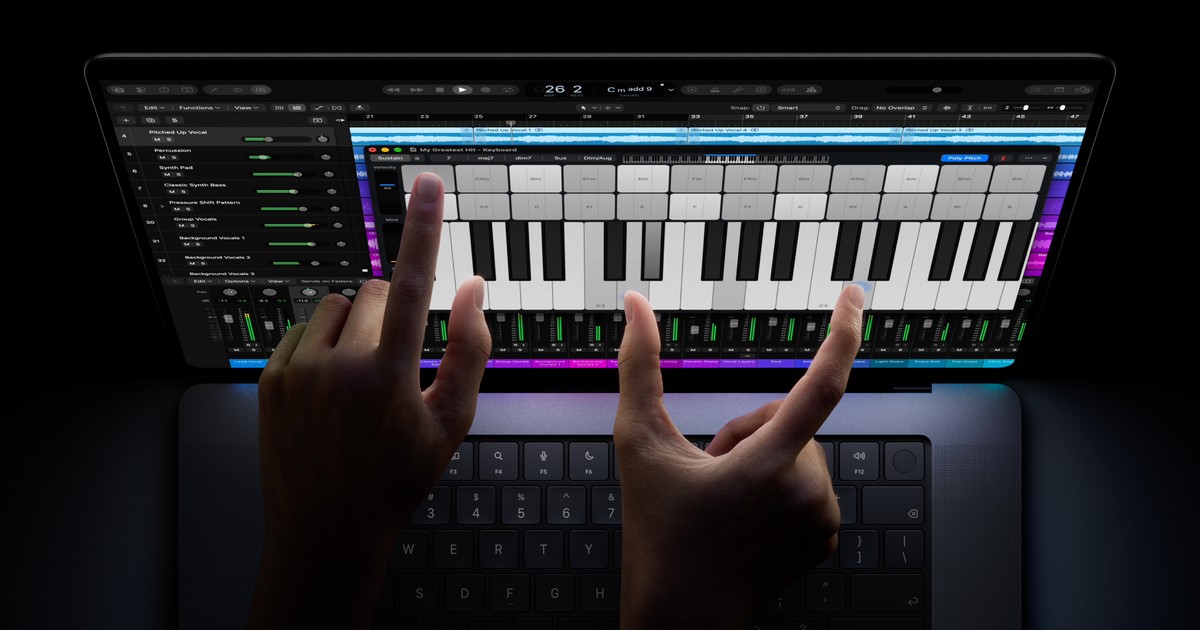
The Mac was the fastest growing category at $10.8 billion, up 23.7 percent and ahead of analyst estimates. Ternus told CNBC the growth came from strong sales of the MacBook Neo, Apple's low cost laptop, and the MacBook Pro. All of it landed before any of the new machines. The M6 MacBook Pro, the PROLED touchscreen MacBook Pro and the M6 iMac don't ship until this Friday, November 6, so the December quarter will be the first to show whether touch actually changes what people buy.
iPad went the other way. It fell 10.4 percent to $6.2 billion and came in short of analyst estimates, the weakest category in the quarter. CNBC reports that Ternus blamed supply constraints and a tough comparison with last year. Wearables, Home and Accessories dropped 7.9 percent to $8.3 billion. Both categories finished the full year essentially flat, down 0.3 percent each, and both are about to get new hardware: the OLED iPad mini ships Friday, the HomePod mini 2 arrived October 30, and HomeView follows on November 13.
Services is doing almost half the profit work
Services set an all-time record at $31.6 billion, up 9.8 percent, though CNBC notes it was the slowest Services growth since 2022. Ternus pointed to all-time records in video, cloud services, payment services and advertising, and a September quarter record in music. It was 27.6 percent of Apple's revenue, but by our math from Apple's statements it produced 43.7 percent of Apple's gross profit. Services kept about 76 cents of every dollar as gross margin in the quarter, compared with roughly 37 cents on hardware.
That gap matters more than usual right now, because hardware margins are where rising component costs land. Every point of hardware margin that memory prices take away is a point that Services has to make up.
The margin is where the memory shortage shows up
Apple's gross margin was 47.9 percent. Apple says that figure includes a favorable impact of about one percentage point from tariff refunds, and that refunds also added $0.05 to earnings per share. Take the refund out and the margin is closer to 46.9 percent, below the 47.2 percent Apple posted a year ago. Earnings per share would be about $2.05, still above the $1.99 analysts expected according to CNBC.
Ternus put the cost pressure plainly in an interview with CNBC: "We saw higher memory costs as compared to the June quarter, and that was partly offset by the benefit of carrying inventory and lower costs on non-memory components." Inventory bought at older prices only lasts so long. Bank of America's Wamsi Mohan warned before the report that margins could drop in the coming quarters as the tariff refunds stop helping. Back in June we looked at how Apple spread the memory crisis across its lineup, and the margin line is now where that bill shows up.
Memory isn't the only cost climbing. Apple spent $11.7 billion on research and development in the quarter, up 32 percent from a year ago, and $45.8 billion for the full year, up from $34.6 billion, according to its financial statements. That's more than twice as fast as revenue grew, and it works out to nearly 10 cents of every dollar Apple brought in. Apple doesn't say where the money goes, but this was the year it rebuilt Siri, shipped its first foldable iPhone and put touch on the Mac, and R&D is where those bills land before the products earn anything back.
China grew 21 percent
Greater China was Apple's fastest growing region at $17.5 billion, up 21 percent, and it grew 28 percent for the full year to $82.4 billion. Apple told CNBC the growth came from iPhone and Mac sales. Even so, it came in under the $18.75 billion analysts expected, according to estimates cited by Yahoo Finance, so the fastest growing region was also the biggest miss. Japan was the only region that shrank, down 1.4 percent. China matters even more for the next few quarters, because Apple has said iOS 27.3 will turn on Apple Intelligence features there, and a beta of 27.3 is due this week.
The iPhone Duo starts its first quarter short on supply
None of the Duo's numbers are in this report. It went on sale October 23, almost four weeks after the quarter closed, so its first sales land in the December quarter along with the two problems that showed up in its first weeks.
The first is supply. Preorders sold out fast, and CNBC notes that first day orders slipped to estimated ship dates in 2027. A phone that hasn't shipped can't be counted as revenue, so how quickly Apple can build Duos may decide its December number more than demand does. Ternus told CNBC that the September quarter's growth came in spite of supply constraints, and that pressure carries straight into the quarter that matters most. After the report, Ternus told Reuters that "Duo is constrained as of today" and that "at this point, we're not able to predict when supply and demand will be in balance," according to AppleInsider.
The second is the inner display. Owners have reported the folding screen cracking in normal use. Apple acknowledged last month that a "small number" of devices are affected and told owners to contact AppleCare for a replacement, and MacRumors reported last week that Apple has alerted its retail stores to the issue. We covered what to do if your Duo's screen cracks. Ternus told Reuters that "a very small percentage" of Duos have come back for display issues and that Apple is replacing them. He didn't say what causes it, and today's release calls the Duo "the most transformational iPhone since the original" without mentioning it.
What the holiday quarter has to prove
Ternus inherited a company that just had the best year in its history, and his first quarter as CEO mostly reflects decisions made before he took the job. The December quarter is different. It is the first full quarter of the iPhone Duo and the iPhone 18 Pro, the first with touch on the Mac, the first with HomeView and the new Siri, and the first where higher prices meet holiday shoppers at full scale.
Ternus is also making the case that the new Siri will sell hardware. Asked by CNBC how Apple will make money from AI, he said, "One example is on the hardware side, right? It offers a compelling reason for upgrading or switching." AppleInsider reports the rebuilt Siri now handles 2.5 billion requests a day. The questions for that quarter are already visible in this report. Can iPhone keep growing at this pace once the price increase is in every comparison, and can Apple build enough Duos to meet the demand it has? Will the display problem stay small? Can the new iPad mini and home hardware pull two shrinking categories back up? And how much margin can Apple protect as memory costs keep rising and the tariff refunds fade?
Apple gave its first answer on the call. CFO Kevan Parekh said revenue should grow between 7 and 10 percent in the December quarter, ahead of the 6.1 percent analysts expected according to LSEG data cited by CNBC. He guided Services to 8 to 9 percent growth, a little slower again than this quarter's 9.8 percent.
The number that moved the stock was margin. Apple expects gross margin of 45 to 46 percent, below the 46.3 percent analysts expected and down from 47.9 percent this quarter, or about 46.9 percent once you take out the tariff refunds. Shares were down about 2 percent in after hours trading as of 6:22 p.m. Eastern. So Apple is telling Wall Street it will sell more this holiday quarter than expected and keep less of each dollar, which is what a new iPhone it can't build fast enough, higher prices in every comparison and a memory bill that's still climbing would add up to.
Update, November 2: An earlier version of this story said Apple's revenue forecast fell short of analyst expectations, based on an early report that has since been corrected. Apple's revenue forecast came in above expectations and its gross margin forecast came in below. We've also added Apple's Services and gross margin guidance, and Ternus's comments to Reuters on Duo supply and display returns.






Comments