Justin is the founder of Tech Between the Lines. He covers Apple strategy and the broader tech landscape with 15+ years of enterprise IT experience, the perspective that comes from actually deploying the products everyone else just reviews.
Tech Between the Lines adds two contributors: Brad Thomas, a product designer covering Apple UX and design, and Hayden Bond, an AI search expert covering Apple's AI ecosystem.
A leadership change on Apple’s most elusive health project is the most quietly significant Apple story of the week, and it lands just days before WWDC, when Apple will talk about everything except this.
Apple's DOJ antitrust case is two years in, buried in discovery disputes, and generating almost no coverage. That is the wrong time to stop paying attention.
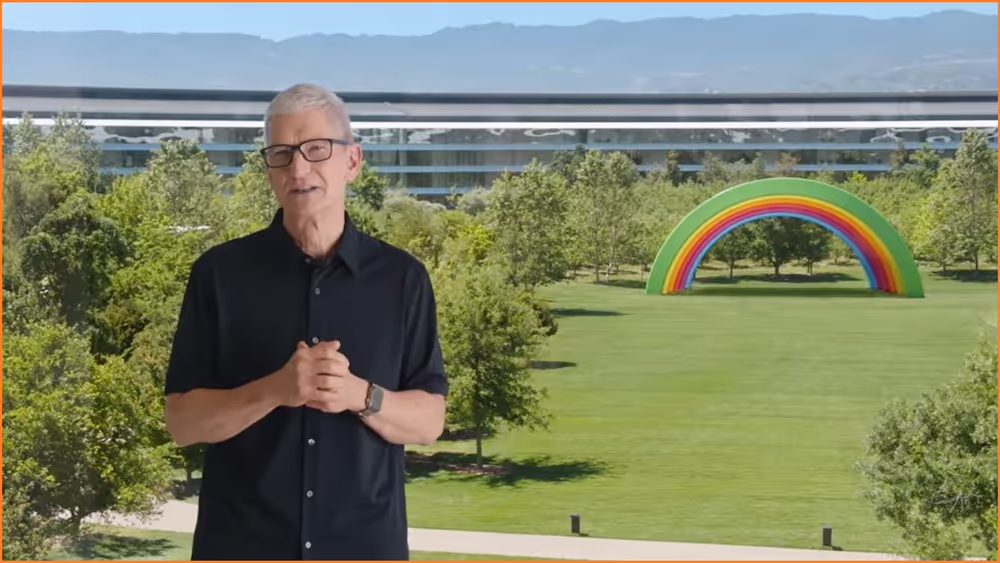
Apple's WWDC 2026 keynote on June 8 is Tim Cook's last as CEO and the company's most consequential AI moment yet. Here is what is coming and what Apple still needs to prove.
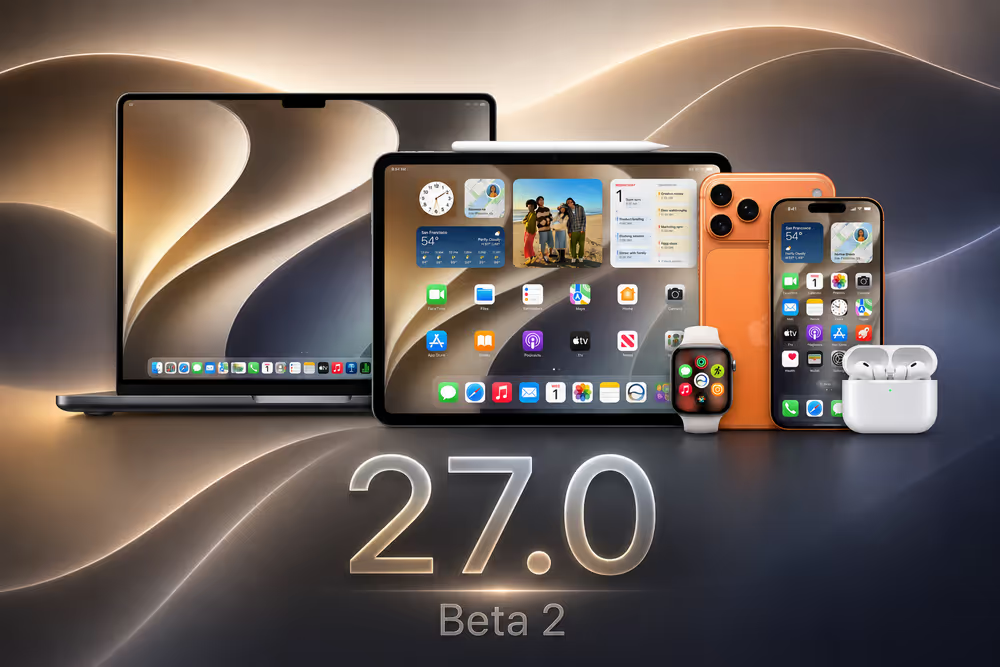
Apple releases iOS 26.5.1 with a fix for a wired charging bug that could prevent iPhone Air and iPhone 17 users from charging a nearly drained battery. Here's what you need to know.
Oura built a clinical platform. Google killed Fitbit to read Apple Health on iOS. Apple quietly hardened its data layer. WWDC is six days away. The common thread isn't health tech.
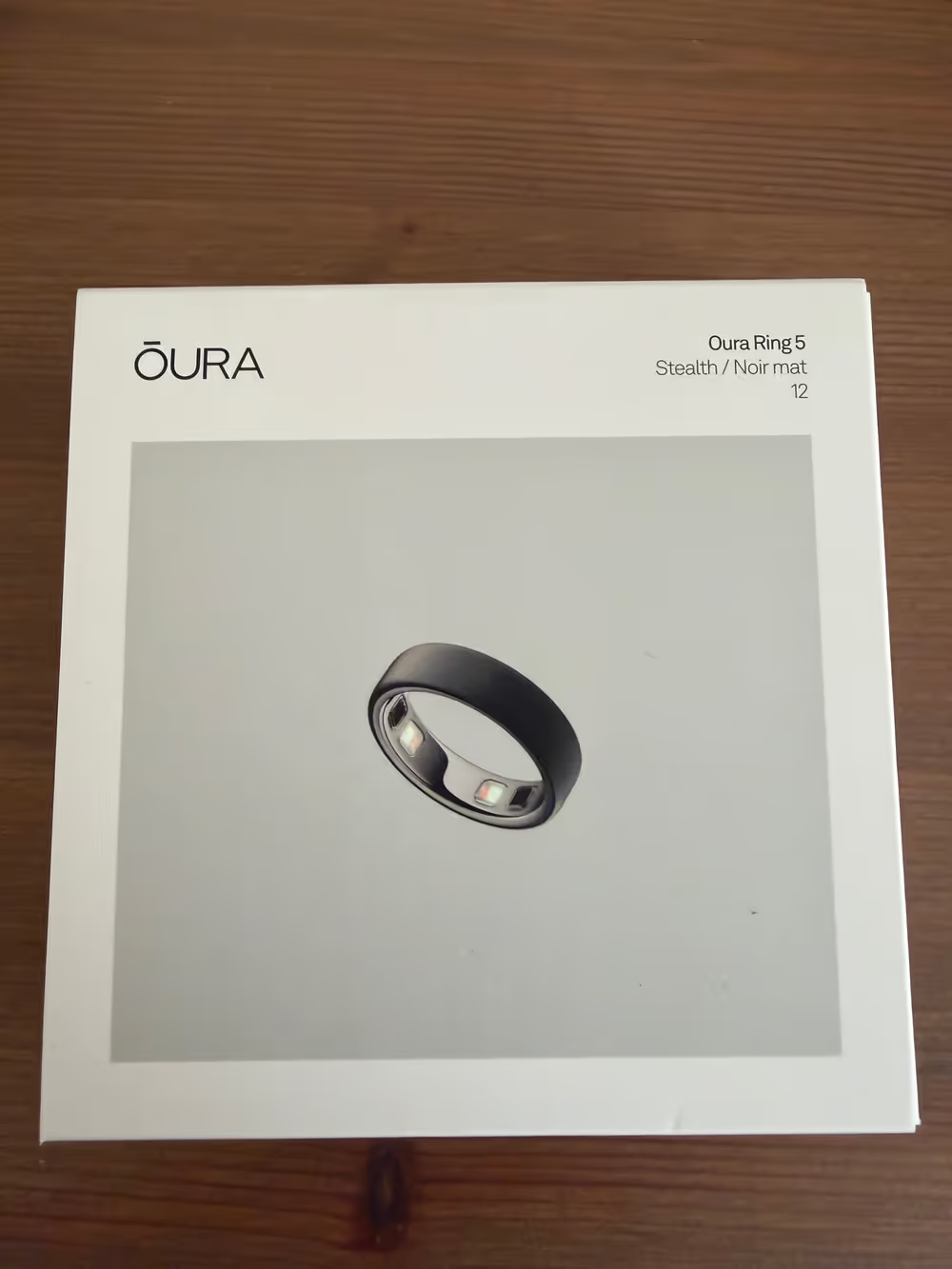
Oura Ring 5 is 40% smaller than its predecessor, but the bigger story is the platform: Health Radar, GLP-1 Insights, live workout tracking, and in-app physician access.
Google's Fitbit rebrand isn't a name change -- it's a data strategy. The Google Health app now reads Apple Health on iOS, betting that platform-agnostic health data aggregation beats ecosystem lock-in.
RingConn V4 shipped to everyone last week. The redesign is real and the intentions are good. The community that bought the ring is telling them exactly what they got wrong.
Google's Fitbit Air is being called WHOOP like, but screen-less wrist tracking dates to 2011. The category outlived its pioneers, and that history deserves more than a footnote.