

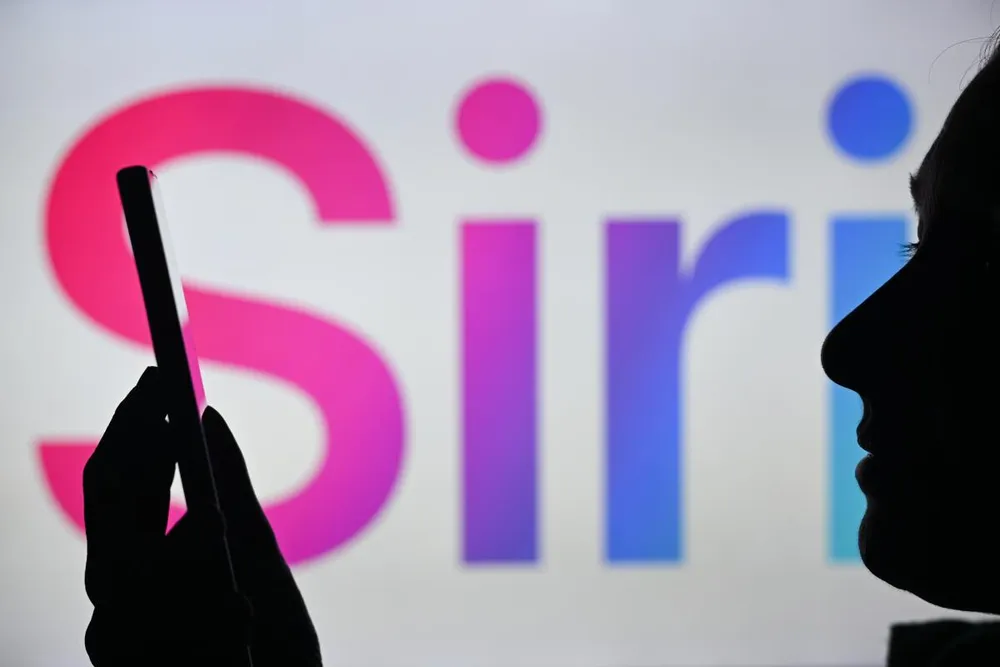
Siri AI arrived this week in the iOS 27 public beta, two years after Apple first previewed it and one $250 million lawsuit later. In May, Apple agreed to settle a class action alleging it advertised a smarter, context aware Siri long before that Siri existed, covering iPhone 16 and certain iPhone 15 Pro buyers who purchased between June 10, 2024 and March 29, 2025. Earlier this month, a California court held the preliminary approval hearing. The judge still hasn't ruled. If approved, eligible owners could see as much as $95 apiece, on a fund covering roughly 37 million devices.
What the settlement doesn't capture is how Apple actually got here. Siri AI's core reasoning doesn't run on an Apple model. It runs on a custom 1.2 trillion parameter version of Google's Gemini, reportedly costing Apple close to $1 billion a year, per Bloomberg's Mark Gurman, architected to keep processing inside Apple's own Private Cloud Compute servers so Google never sees user data. Gurman reports Apple treats this as a bridge, not a destination, with an in-house replacement targeted for 2027.
That's the real story under this week's beta release notes. The assistant Apple got sued for promising too early exists today because Apple rented what it couldn't finish building in time, from the one company it has spent a decade trying to need less. The lawsuit was never really about a missing feature. It was about the gap between what Apple said it had built and what it had actually built. This week's beta doesn't close that gap. It outsources it. Watch what happens to Siri AI's reliability if Apple starts weaning it off Gemini before its own model is ready. That transition, whenever it lands, is where this story actually resolves.