


#011: Owning the Whole Widget Costs Extra
Apple rebuilt Face ID and the Watch's silicon, then spent ten days patching reboots. The same week, a jury billed it $5.7 billion for a part it has shipped since the first Apple Watch. Owning every layer means owning every failure.
Apple rebuilt Face ID and the Watch's silicon, then spent ten days patching reboots. The same week, a jury billed it $5.7 billion for a part it has shipped since the first Apple Watch. Owning every layer means owning every failure.

Apple's favorite argument for itself is that it owns the whole widget. This month it got the itemized bill.
On September 18, Apple shipped the most heavily rebuilt devices of the generation. iPhone 18 Pro moved Face ID's infrared camera beneath the display for the first time. Apple Watch Series 12 and Ultra 4 arrived with new S11 silicon and upgraded health sensors. Within days, both were rebooting on their own: the iPhone when a failed Face ID retry hit a protected app, the Watch when its Neural Engine timed out mid-workout, mid-Siri request, or sitting idle. Within ten days of launch, Apple had shipped point releases for both, watchOS 27.0.1 on September 23 and iOS 27.0.1 on September 28.
Then, on September 25, a San Diego jury ruled that the Taptic Engine, a component Apple has shipped since the first Apple Watch, infringed two patents held by a small haptics firm called Taction. The award was $5.72 billion. Apple says it will appeal, and the figure will almost certainly shrink.
These look like unrelated stories. They aren't. Designing the sensor, the chip, and the software together is the reason Face ID can disappear under glass at all, and it's Apple's best case for its prices. The same integration means there is no supplier to blame when a redesigned part fails on launch week, and no supplier to share the liability when a decade-old part lands in court. Every layer Apple owns is a layer Apple answers for.
John Ternus built his career inside that hardware. His first month as CEO is the first time its bills arrived addressed to him.
The next test ships in mid-October, when iPhone Duo puts Apple's first hinge in customers' hands. Its first point release will say more than the reviews.
The jury's award to Taction, reported by Reuters as the largest patent verdict in US history and more than two and a half times the previous record, VLSI's $2.18 billion against Intel, which was later thrown out. Records like this set the price of the claim, not the odds that anyone collects it.
Both Bugs Lived in the Parts Apple Rebuilt
Lock screen unlock worked fine the whole time, which turned out to be the clue.
 Justin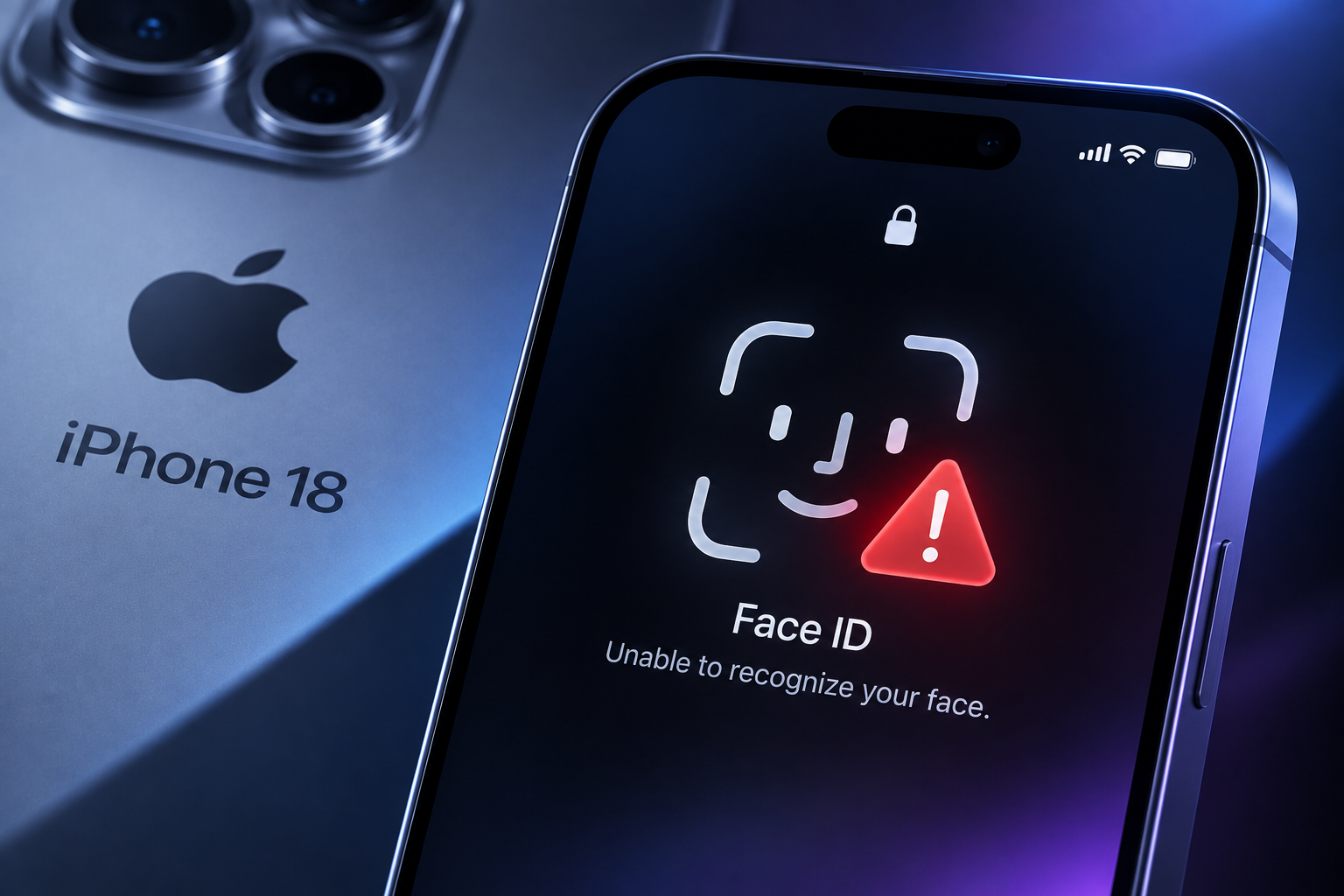
Apple never said what caused either reboot, and the fixes shipped with one-line release notes. The full piece traces where each failure actually lived. The iPhone bug only surfaced on a code path Apple rarely exercises, and Watch owners pulled crash logs showing a hardware watchdog firing on a 20-millisecond overrun. Replacement units crashing identically ruled out a bad batch. The harder question is why redesign generations keep producing this exact class of bug, and why internal testing is structurally bad at catching it.
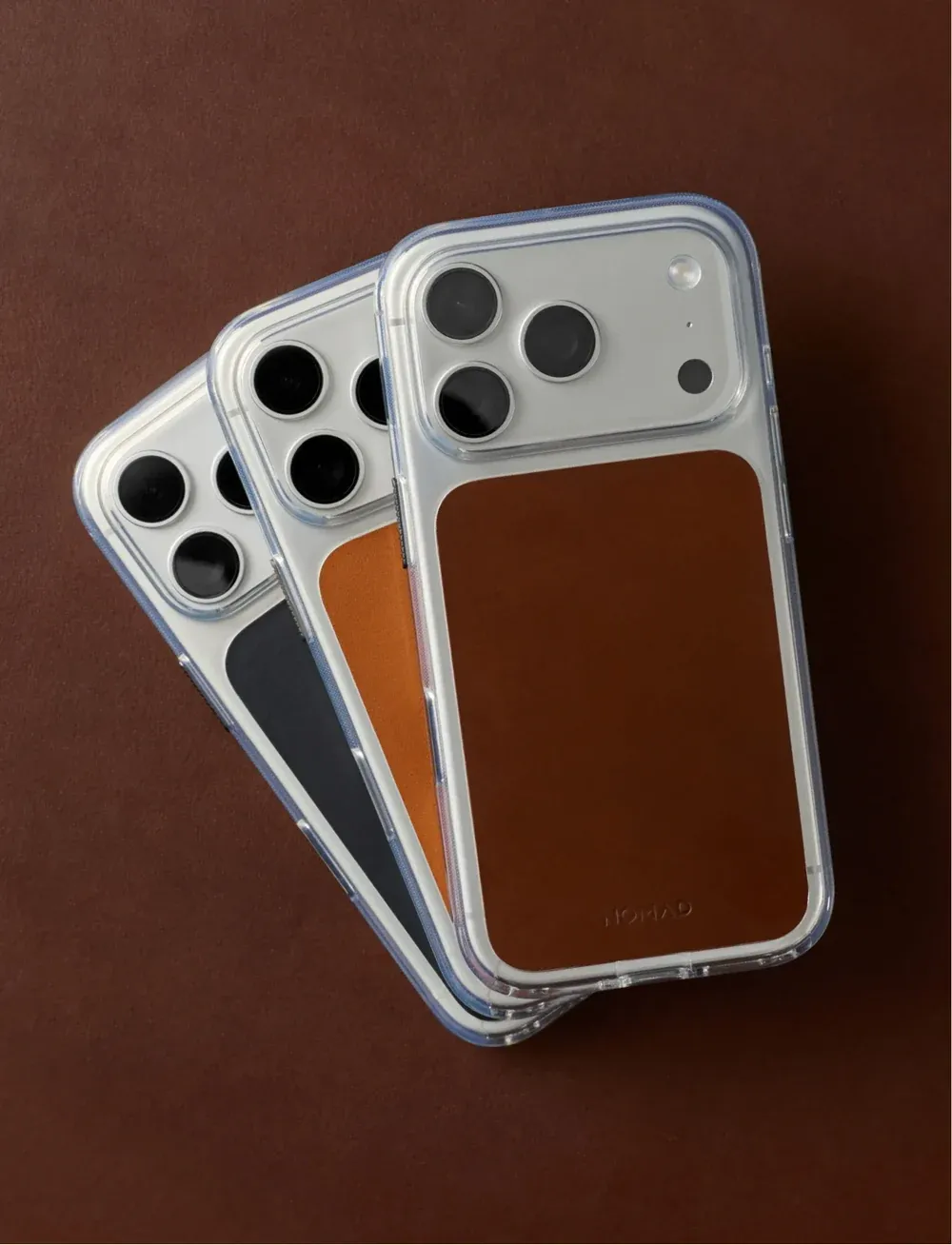
Nomad's iPhone 18 Pro and Pro Max lineup starts with the Modern Leather Case from $69: Horween leather over a TPU bumper, MagSafe and Qi2 compatible, and built to pick up a patina instead of scuffs. If your phone sees more trail than desk, the Rugged Case wraps a thick bumper in new Baja California topographic designs. Apple owns every part inside the phone. The outside is your call.
The Patch Notes Read Like a Parts List
Face ID under glass, a new f/1.48 aperture, and a gesture freeze that went viral as a prank.
 Justin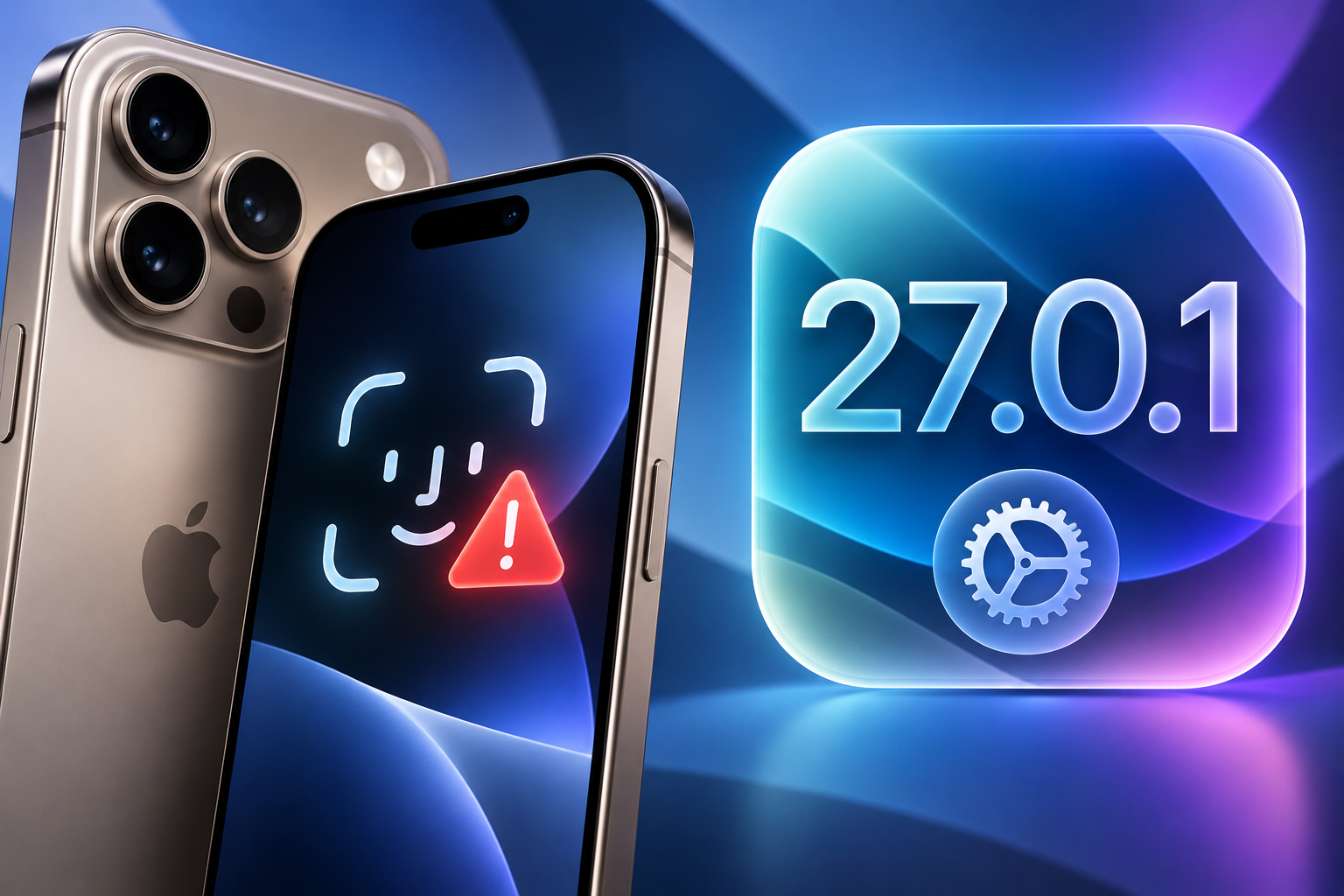
Two of iOS 27.0.1's three named fixes target hardware Apple introduced this month, and the 2x photo artifact only appeared at the widest setting of the new variable aperture. The full breakdown covers every release in the slate, the Face ID re-enrollment steps for owners still seeing errors, and a workaround for setup failures with glasses on. It also flags the update that matters most this week, which isn't for anyone running iOS 27 at all.
Pro-Only September Is Working in China: Counterpoint says iPhone 18 Pro's first three days in China outsold iPhone 17 Pro's entire first week by 12%, in a market still running 17% below last year. Holding the base iPhone 18 until spring pushed buyers up the price ladder instead of out the door.
Final Cut Camera Gets the Aperture Controls: Apple's free Final Cut Camera 2.4 now gives iPhone 18 Pro full manual control of the variable aperture from f/1.48 to f/4, plus aperture and shutter priority. Apple's newest camera hardware is reaching its full value through software updates arriving after launch, the same pattern as the bug fixes.
Apple's Own Code Previewed October: MacRumors' Aaron Perris found official Apple images for an A20 Pro iPad mini, a HomePod mini in five colors, and an Apple TV 4K (4th generation) in the same box as the 2022 model, matching Gurman's separate reporting that Apple's home hardware arrives this fall. The HomePod mini has run the same hardware since 2020, so new colors are carrying most of the visible pitch.
Fitness+ Takes the First Cuts of the Ternus Era: Gurman reports Apple laid off a handful of Fitness+ staff, mostly on audio programs like Time to Walk, in the first reported cuts since Ternus took over. A hardware CEO's first trim landing on a subscription service shows which side of the business now has to justify itself.
Skylight Buddy Ran Apple's Playbook: My review found Skylight's kid chore device thin at launch and far better several updates later, with scheduled sleep and an Ok-to-Wake light arriving after purchase. When ship-then-patch is the norm for family hardware too, the launch-day review becomes the least useful one. Full review →
👁 One Thing Worth Watching
The Display That Waited on Siri: Ming-Chi Kuo first reported Apple's smart home display for late 2025, and that window came and went. Bloomberg's Mark Gurman now says it could arrive as soon as October, barely a month after Siri AI shipped. A device held back a year for its assistant is a first-generation product whose fate rests on software that just launched. Watch whether Apple's demo shows it doing anything an iPad with Siri AI can't.


Closing Thought
Gurman has described the stretch that began this month as the largest run of device releases in Apple's history: a foldable, a home display, an Apple TV and HomePod rebuilt around Siri AI, and glasses in 2027. Every one of them is a first-generation part Apple will own outright, bugs and patents included. The reboot fixes took ten days. Some of these parts won't send their bills for years.
Which part Apple shipped this fall do you expect to cost it the most down the line: the hinge, the under-display Face ID, or the variable aperture?