




John Ternus spent most of his first keynote as CEO on a foldable phone. He built the entire show around holding the iPhone Duo back until the end, then walked it out to the kind of reaction Apple hasn't gotten in years. It worked exactly as designed, and it's the moment every recap of September 9 will lead with.
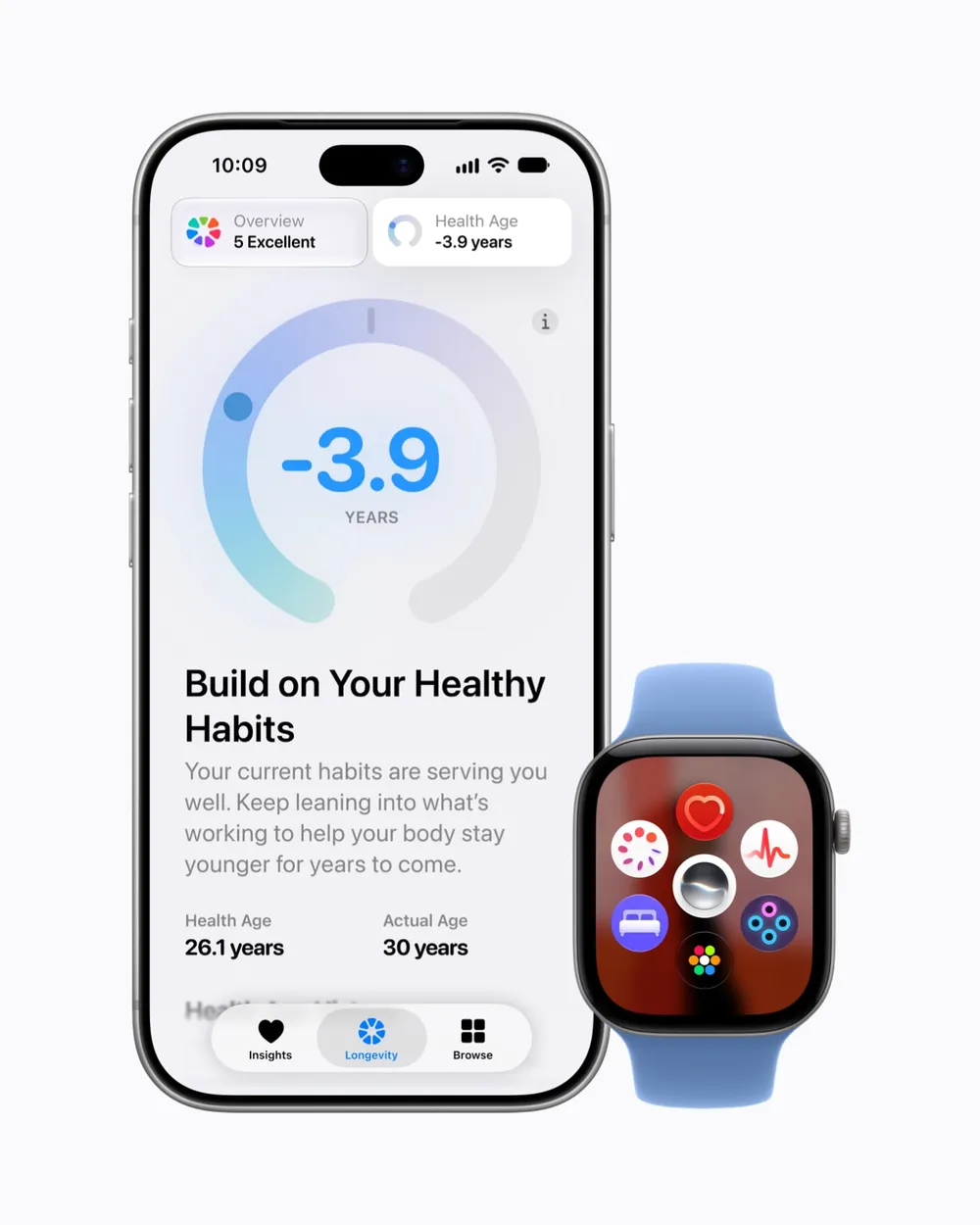
Buried earlier in that same keynote, with none of the theatrics, Apple said something that matters more for how people actually use their devices every day: the Health app is getting rebuilt around a single number called Health Age, and it's arriving with a new Longevity tab, at-home movement assessments, and a direct pipeline into paid lab testing. None of that got a "one more thing" moment. It didn't need one. Apple has been sitting on the pieces for this for years, in the form of Apple Watch sensor data nobody was doing much with, and it just assembled them into a product that goes straight at Garmin, Oura, and Whoop on their own turf.
The catch is that Apple isn't first here, not by a long shot, and pretending otherwise would undersell what actually happened. Garmin has offered a Fitness Age score since 2019. Oura calculates a Cardiovascular Age. Whoop has its own version called Whoop Age. Apple spent years treating the Health app as a data repository, a place where numbers accumulated without much interpretation, while three companies built entire businesses on the promise of turning wearable data into a single, motivating number. Health Age is Apple showing up late to a category it could have created itself.
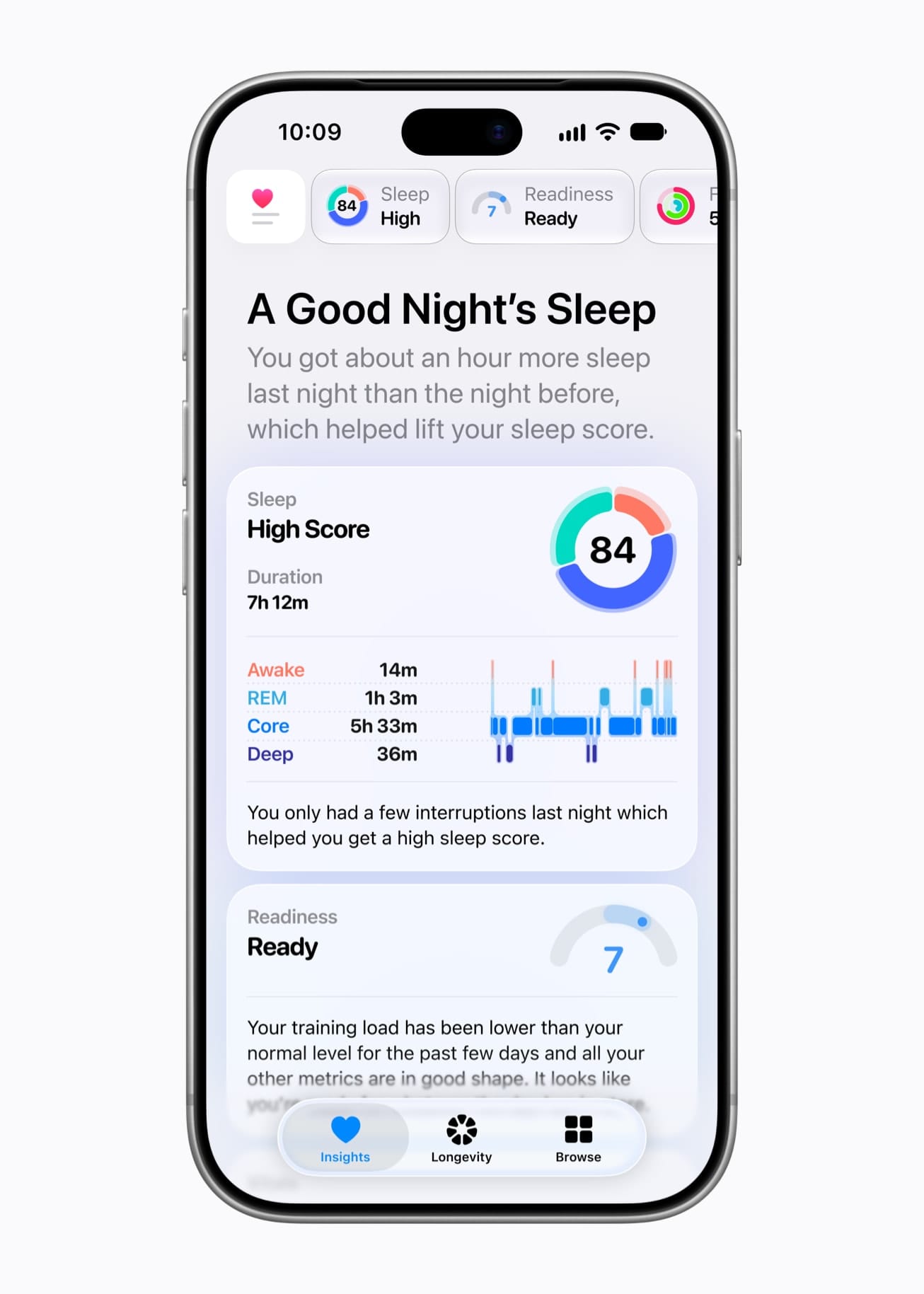
What Health Age Actually Pulls From
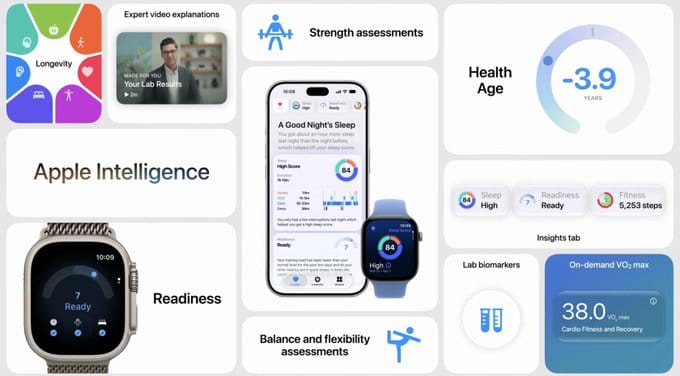
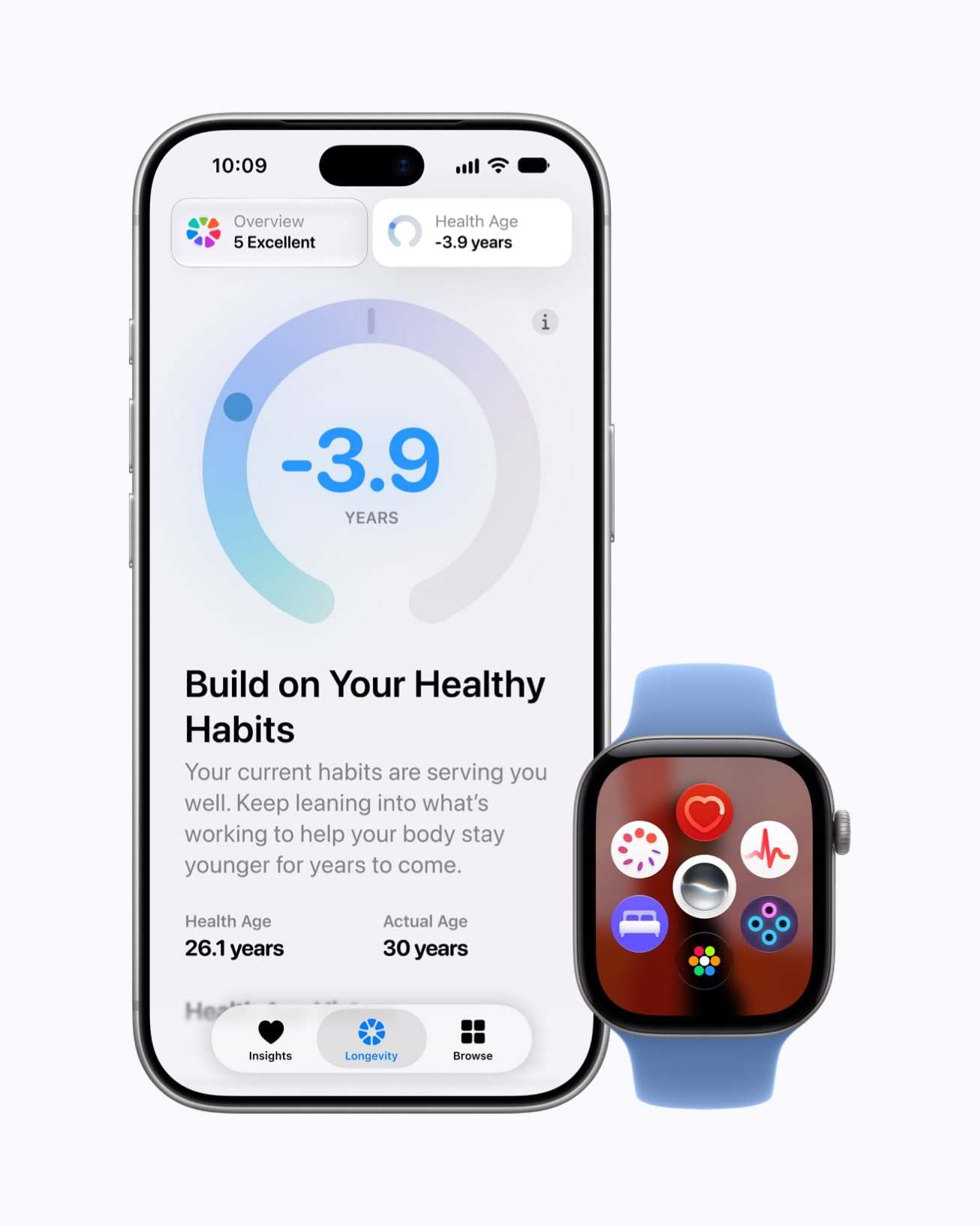
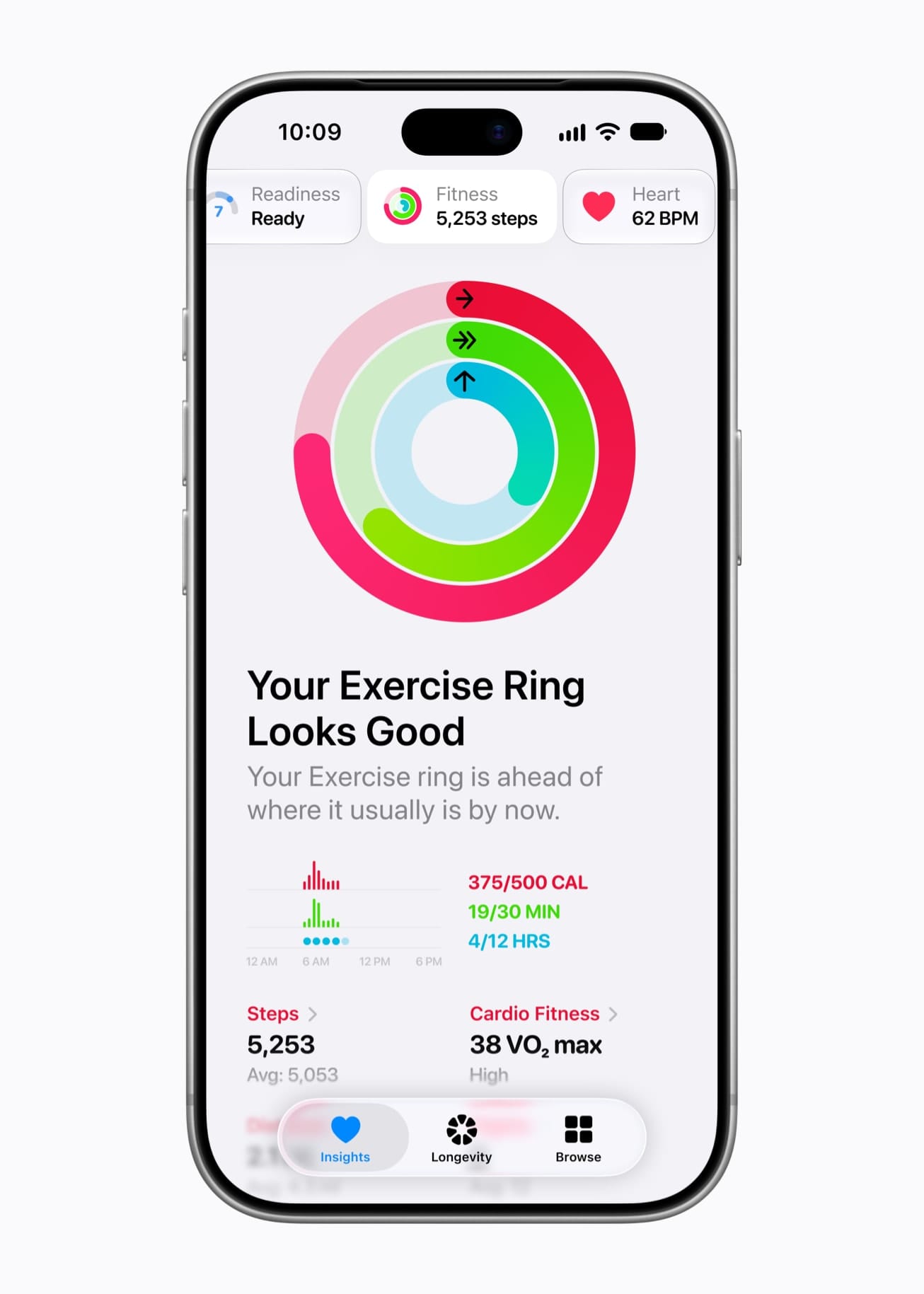
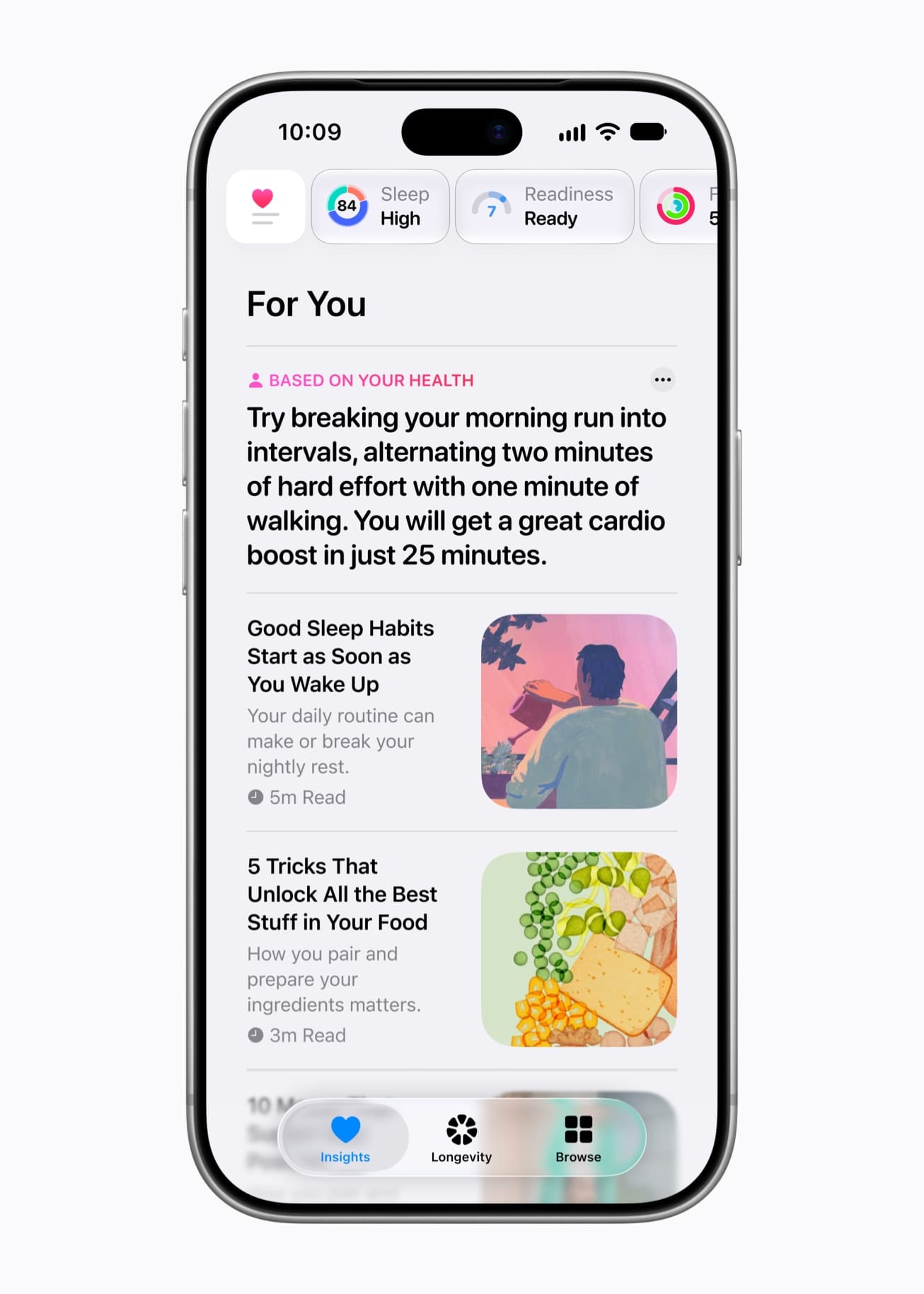
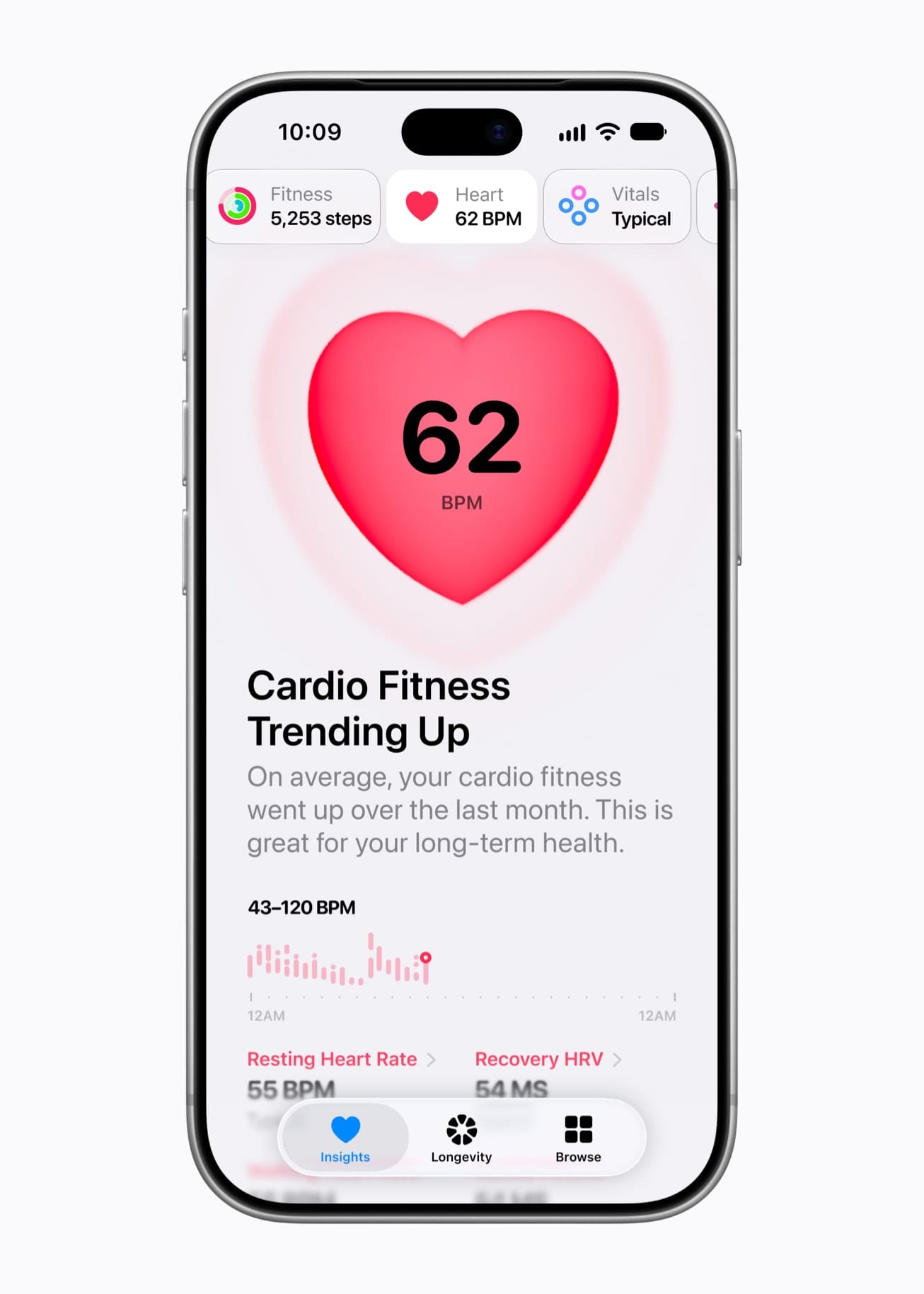
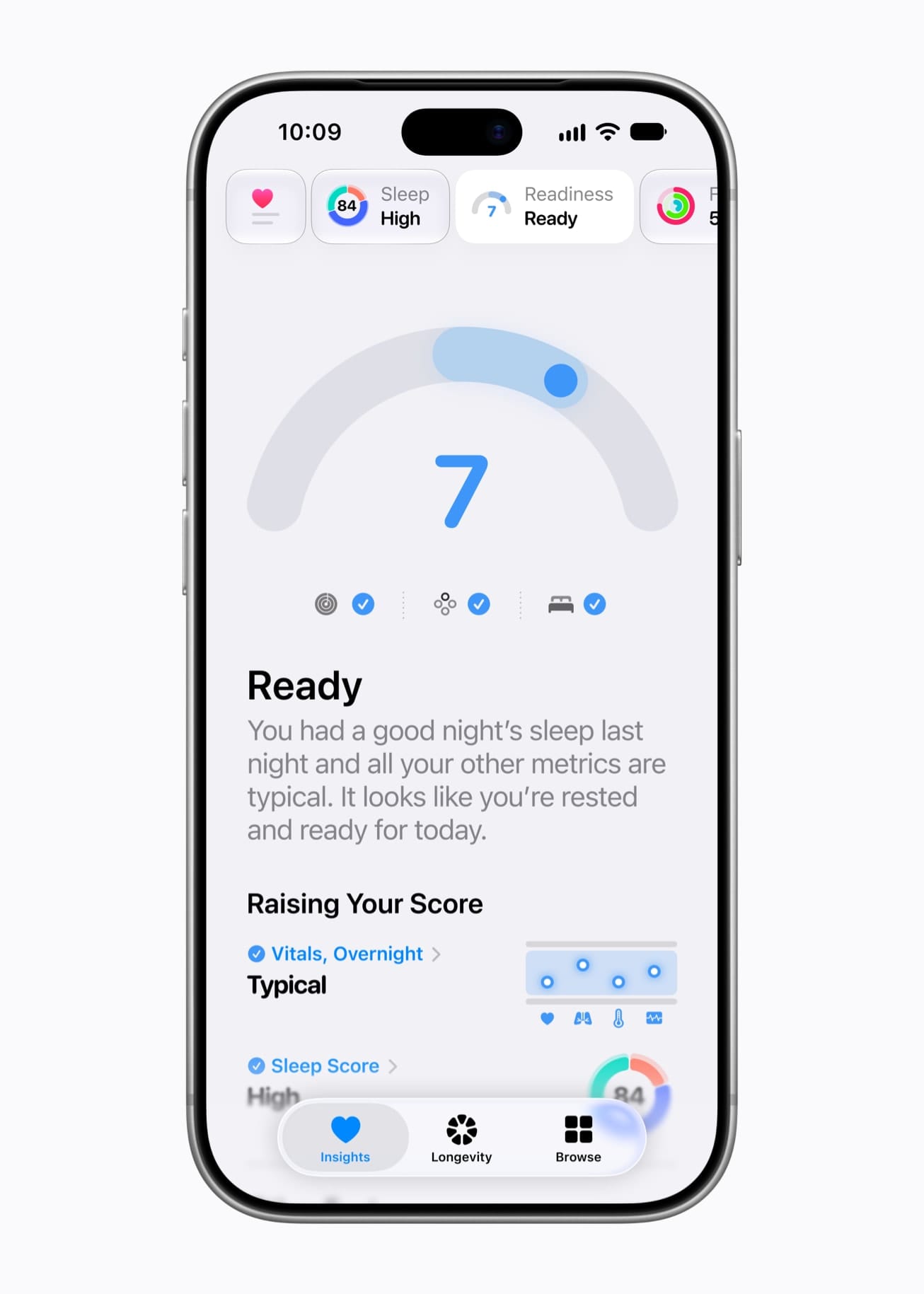
The mechanics, per Apple's announcement, are straightforward. Health Age sits inside a new Longevity tab that spans heart health, sleep, mental wellbeing, movement, metabolic health, hearing, and nutrition. The score itself factors in Apple Watch metrics like VO2 max, resting heart rate, sleep, and heart rate variability, and users can layer in lab results, including A1c and LDL, to sharpen the estimate. Apple frames it as informed by the best available science rather than a proprietary black box, though the company hasn't published anything close to the rigor of the heart-rate accuracy study it ran alongside the new sensor hardware. That's worth sitting with. Apple validated its heart rate sensing against a 1,000-person study and leaned hard on the results in its own marketing. Health Age got no equivalent public validation, at least not yet, for a number Apple is putting in front of users as an authoritative statement about their body.
What makes Health Age worth taking seriously despite that gap isn't the algorithm. It's the plumbing underneath it. Garmin, Oura, and Whoop each build their age score from one device's sensor data, whatever that device happens to be strapped to your wrist or your finger. Apple's version pulls from Apple Watch, iPhone, AirPods, imported clinical records, and now direct lab results, all inside an ecosystem most users already carry in multiple pockets simultaneously. That's not a smarter formula. It's a wider funnel, and it's the kind of advantage that's nearly impossible for a single-category wearable company to replicate, no matter how good their sensor is.
The Movement Assessments Are the Harder Feature to Copy
If Health Age is Apple catching up, the movement evaluations are Apple doing something none of its competitors can touch. Users will be able to run in-depth physical assessments, measuring flexibility, strength, balance, movement mechanics, and VO2 max, using nothing but an iPhone camera and Apple Watch, at home. Apple says the entire experience runs on-device, with no video ever recorded, stored, or shared, using vision-based AI models developed with clinician input. That combination, real-time computer vision feedback without a video ever leaving the phone, is a genuinely hard technical problem, and it's not one Oura or Whoop can solve by shipping a better ring.
The reason this matters more than a new dashboard number is access. Mobility assessment is exactly the kind of routine screening that predicts independence and chronic disease risk down the line, and it's also exactly the kind of screening most people never get, because it normally requires a visit to a physical therapist or an exercise physiologist. Apple is putting a version of that assessment on hardware people already own, and doing it in a way that sidesteps the privacy objection that would otherwise be the first thing to kill the idea. It's the one piece of the announcement that doesn't have a direct wearable-industry analog to compare it against, which also makes it the piece most likely to actually shift behavior rather than just add another chart to check.
It's also the piece most likely to have real accuracy questions Apple hasn't answered yet. VO2 max estimation specifically requires Apple Watch paired with either AirPods Pro 3 or a third-party heart rate sensor, some features carry an 18-or-older requirement, and Apple hasn't said much publicly about how the computer vision models handle the enormous variability in home environments, camera angles, and body types that a controlled clinical assessment doesn't have to deal with. Apple has a track record of getting sensor validation right when it commits to it, as it demonstrated with the new heart rate hardware. Whether that same rigor extends to a vision model estimating someone's balance in their living room is the open question here, not a settled one.
Apple Just Became a Health Commerce Intermediary
The most understated line in the entire announcement is also the one with the most long-term consequence: users will be able to schedule and purchase a 50-biomarker lab panel for $119, directly inside the Health app, at roughly 2,000 Quest Diagnostics locations in the US. Health app users could already import existing lab results and track them over time. This is different. Apple isn't just displaying lab data anymore. It's brokering the transaction that produces it, taking a consumer software app and turning it into the front door for a clinical service that used to require a doctor's referral to access.
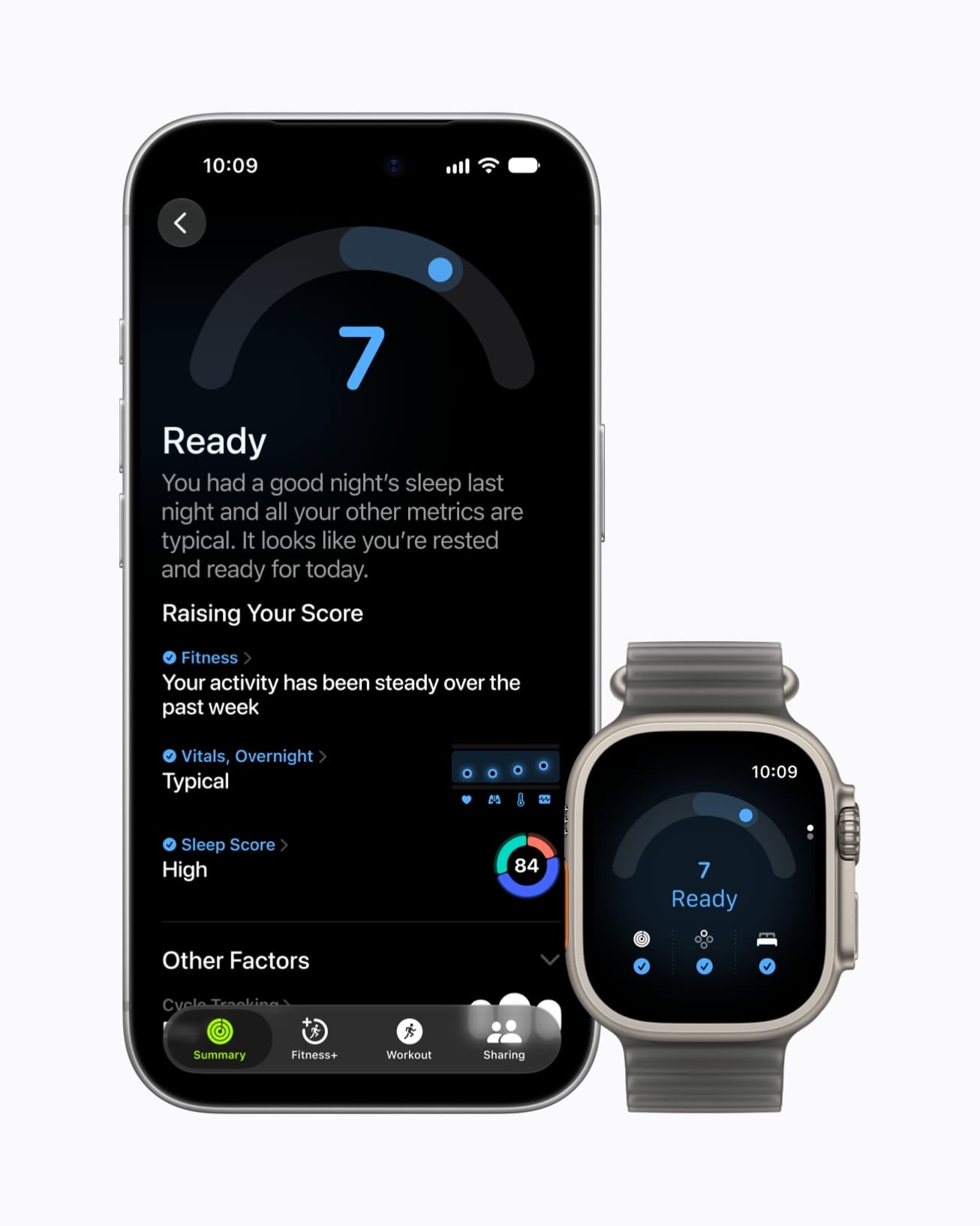
That's a bigger strategic step than the sensor hardware or the AI model, because it puts Apple in a business it has never really been in before: selling access to diagnostic testing. Every other piece of the announcement, the Health Sensing System, Readiness, Health Age, extends capabilities Apple already had. The Quest partnership opens a door Apple didn't have open at all, and it's worth watching closely how it expands beyond a single US-only lab partner, because the version of the Health app Apple is building only gets more valuable to users, and more central to how they interact with the healthcare system, the further that door swings open.
None of this changes what's true about Apple's broader hardware strategy this fall, where Apple Intelligence keeps expanding into apps that never had it before. It does change how much weight the Health app specifically is going to carry in that strategy. And it lands against a backdrop Apple itself created: reporting earlier this summer suggested Apple's industrial design team has spent roughly a year evaluating a screen-free Apple Watch built specifically to compete with Oura and Whoop on their own hardware terms. Health Age and the Longevity tab arrive as the software answer to that same competitive pressure, months ahead of whatever the hardware answer eventually looks like, and years after Apple first had the sensor data to build it.
Apple has quietly been laying this groundwork for a while. Hypertension notifications and sleep scoring, introduced last year, were the early version of the same idea: passive sensor data turned into something a user could act on without needing to interpret a chart themselves. Health Age is that same instinct, scaled up into a single number Apple is betting people will check the way they check their step count, and wrapped around a commerce relationship that gives Apple a reason to keep them checking.
The redesigned Health app arrives later this year, starting in US English, on Apple Intelligence-enabled iPhones and iPads. By the time it ships, the iPhone Duo will already be old news, the way every "one more thing" eventually becomes one more product on a shelf. Health Age is the piece of this keynote built to still matter next September, and the one nobody in the room clapped for.






Comments